
Loading, please wait...
LOT 0662
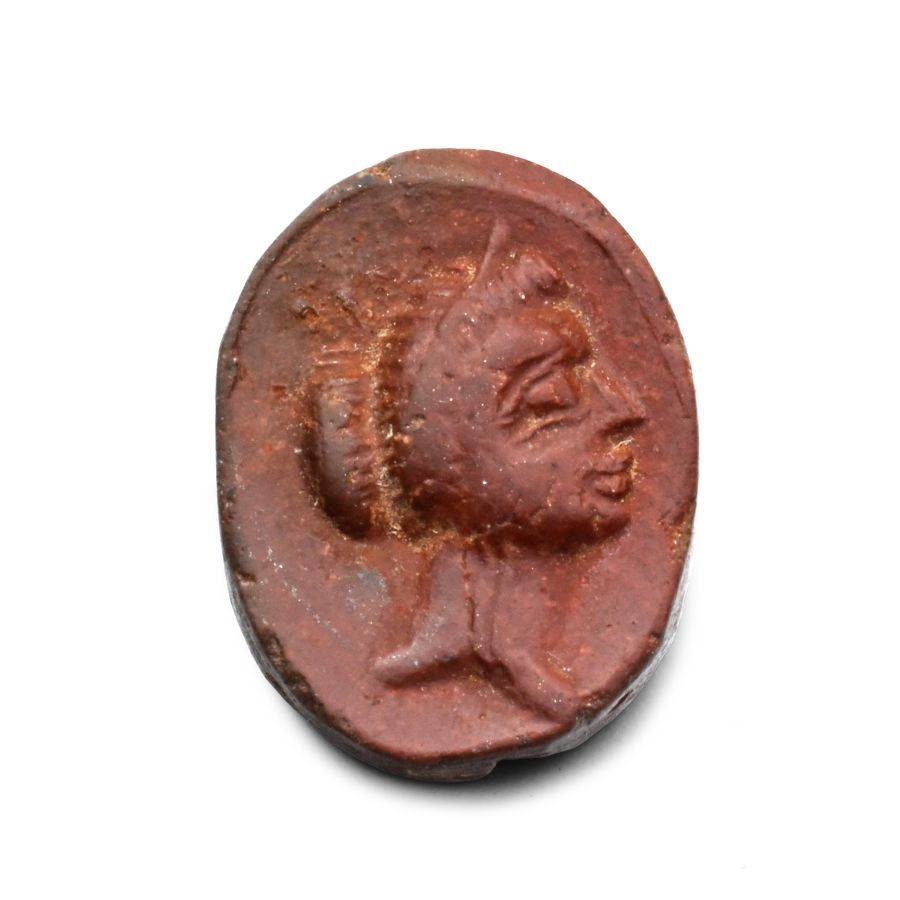
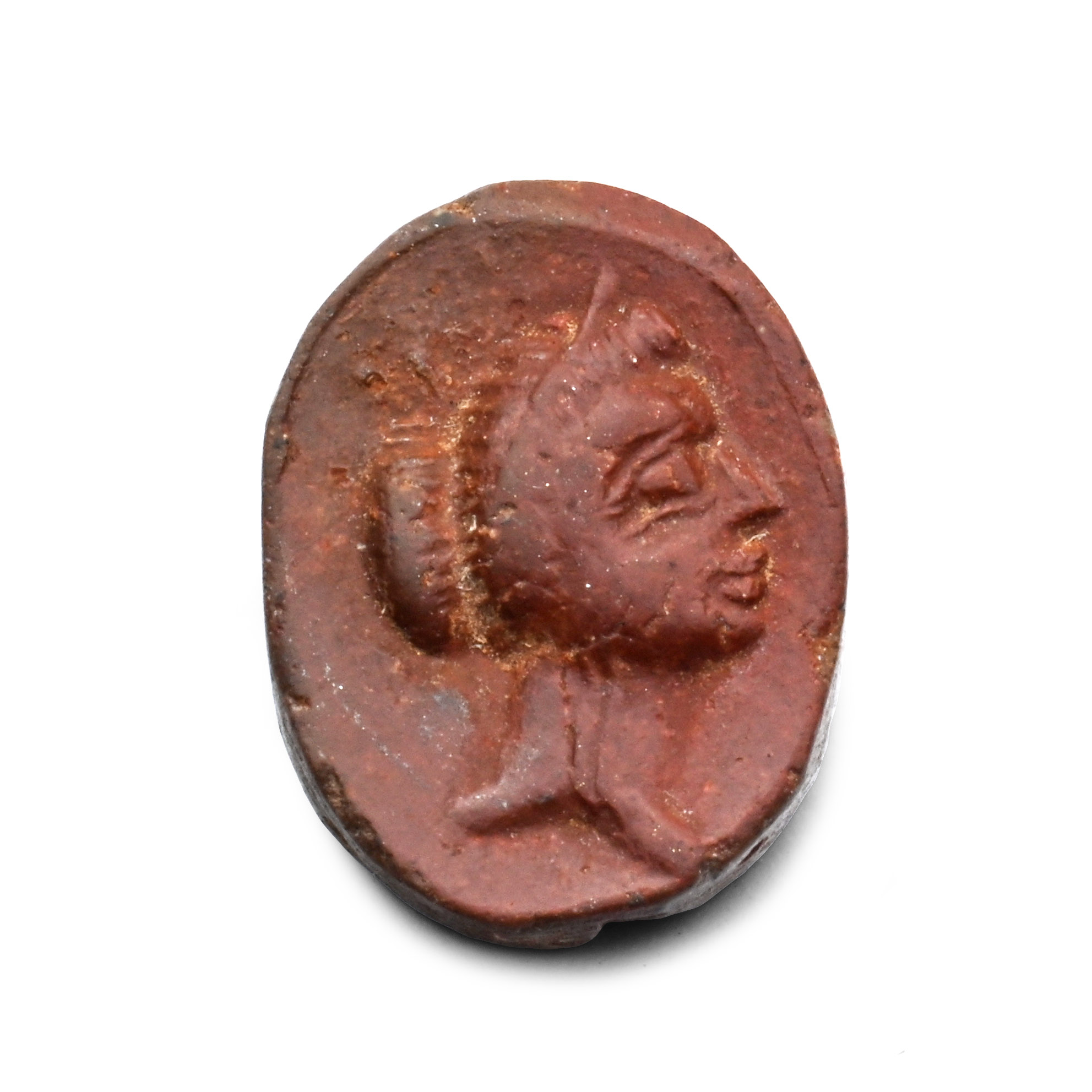
Roman Brown Stone Cameo with Female Bust
2ND-3RD CENTURY A.D.
1/2 in. (0.57 grams, 13 mm).
Ellipsoid in plan with a low-relief female profile portrait bust with hair dressed in a chignon. [No Reserve]
ProvenanceProperty of a European gentleman, acquired from the estate of a London collector (formed before 2000).
CONDITIONTimeLine Auctions follows a vetting process to ensure the authenticity and legality of all items, reinforcing our commitment to integrity and responsible trading. Each antiquity, antique, and coin lot undergoes thorough examination by a vetting committee of at least ten external specialists, professional trade association members, scientists, and archaeologists: Our Vetting Process
AUCTIONS:
TimeLine is a leading auction house specialising in antiquities, ancient art, collectables, natural history, coins, medals, and books. Our auctions offer museums, collectors, historians, and enthusiasts the opportunity to acquire unique and historically significant pieces.
-
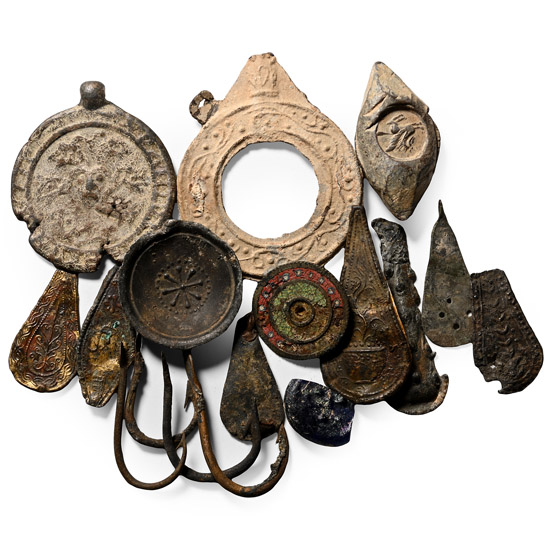
Roman Bronze and Other Artefact Collection
Circa 1st-4th century A.D. and laterSold for (Inc. bp): £130
Mixed group of items, including four fish-hooks, seal box lids, a votive mirror fragment, an enamelled stud, and others. 83 grams total, 15-50 mm
Acquired on UK art market. Property of a Middlesex gentleman. -
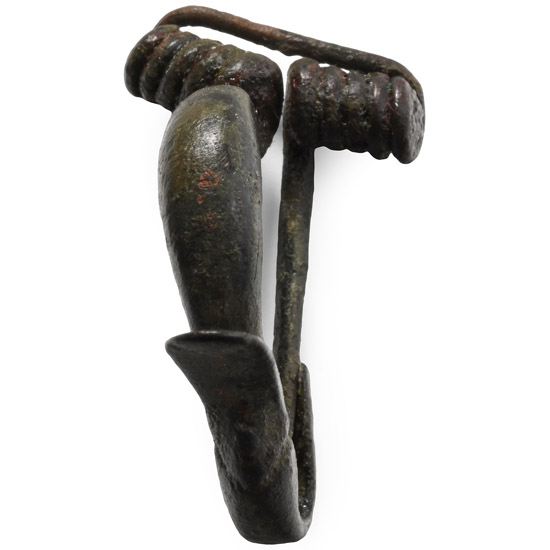
Romano-Celtic Bronze Duck Head Bow Brooch
2nd-3rd century A.D.Sold for (Inc. bp): £65
Comprising a deep bow and a recurved footplate formed as a duck's head, with a coiled pin. 6.37 grams, 27 mm
From the private coin collection of a West London, UK, gentleman, formed since the mid 1980s. -
.jpg)
Roman Agate Cameo with Devouring Hound
Circa 1st-2nd century A.D.Sold for (Inc. bp): £468
Black-and-white cameo featuring a raised image of a hunting dog devouring a hare with its long ears pulled against the neck, detailed ribs and claws on the back paw. 0.81 grams, 15 mm
From the private collection of a European gentleman (1942-2024), formed since the 1970s.
