
Loading, please wait...
LOT 0784
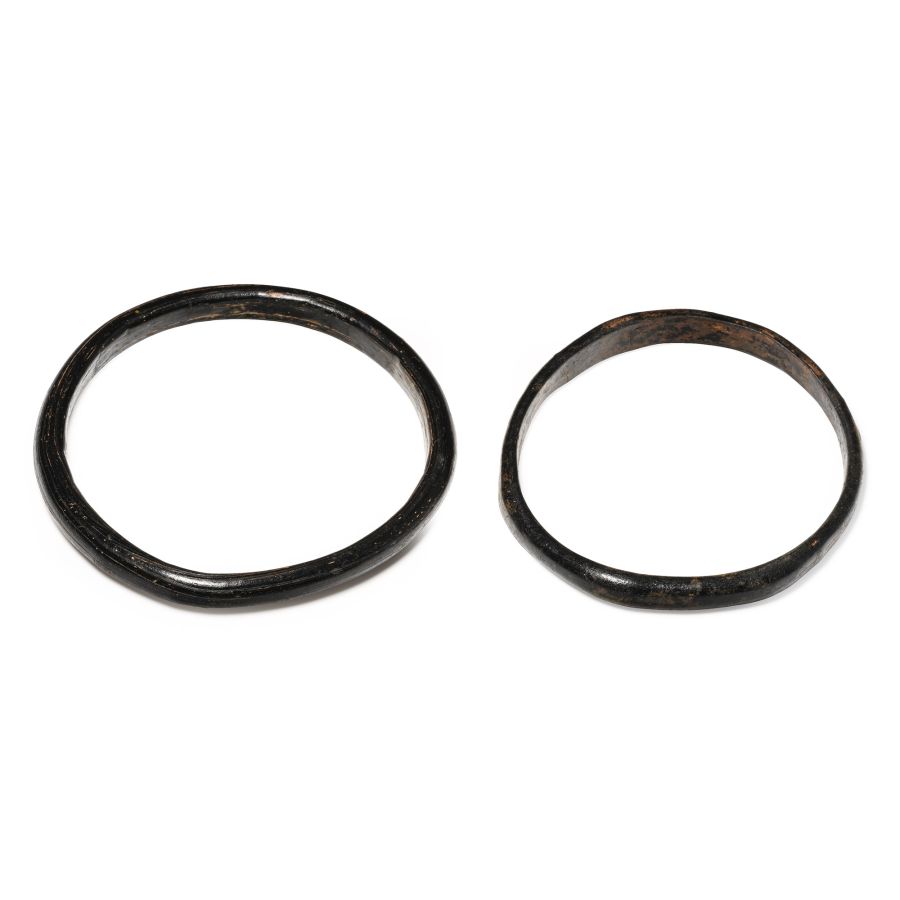
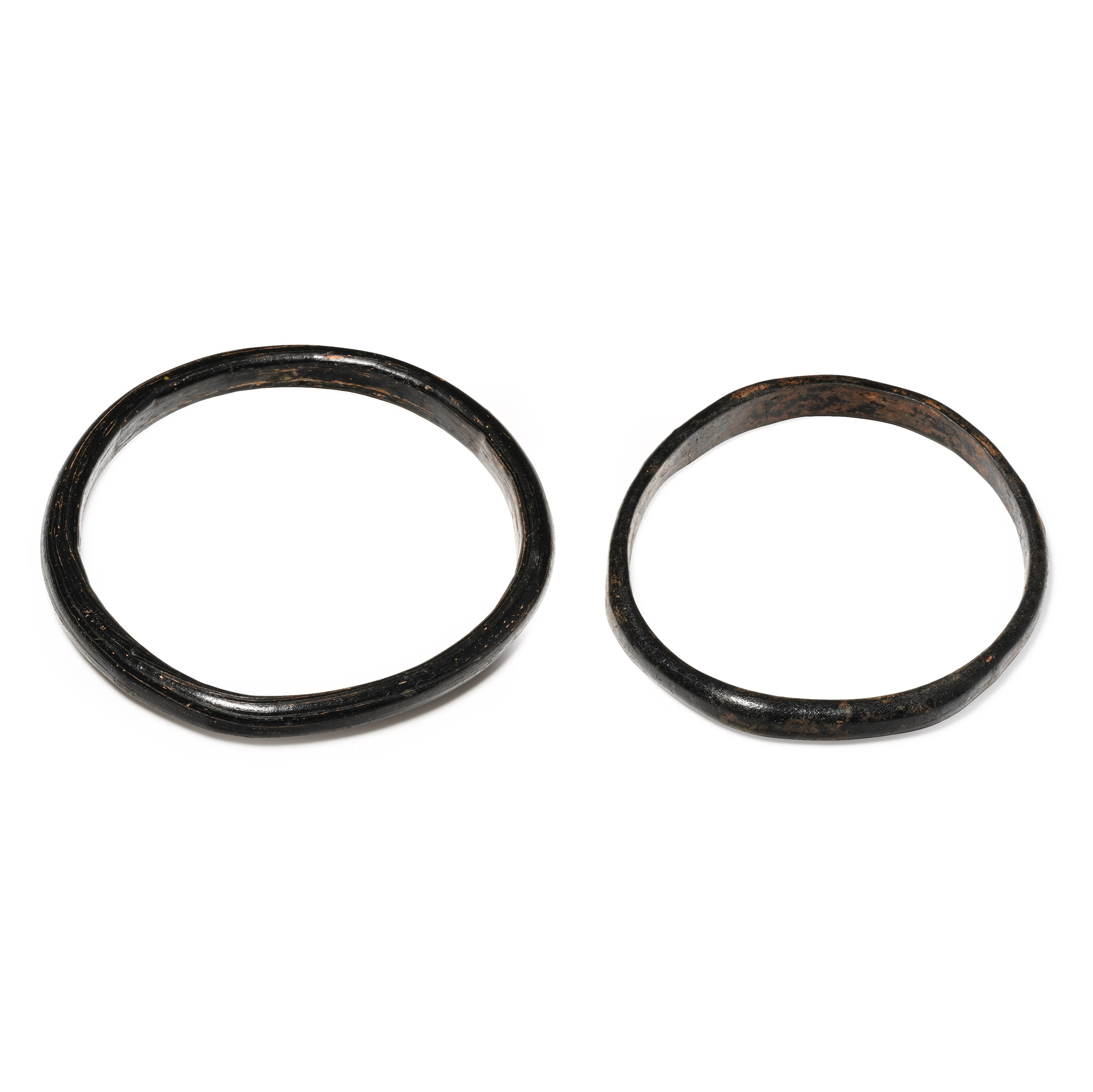
Roman Brown-Black Glass Bangle Pair
1ST-4TH CENTURY A.D.
3 1/8 - 3 3/8 in. (44 grams total, 80-87 mm).
Each plano-convex in section in chestnut-tinted glass. [2, No Reserve]
ProvenanceAcquired on the UK art market in the late 20th century A.D.
From the private collection of the late David King (1940-2024), Hoddesdon, Hertfordshire, UK.
Cf. Kunstmuseum Luzern, 3000 Jahre Glaskunst, Luzern, 1981, p.103, B, for similar.
CONDITIONTimeLine Auctions follows a vetting process to ensure the authenticity and legality of all items, reinforcing our commitment to integrity and responsible trading. Each antiquity, antique, and coin lot undergoes thorough examination by a vetting committee of at least ten external specialists, professional trade association members, scientists, and archaeologists: Our Vetting Process
AUCTIONS:
TimeLine is a leading auction house specialising in antiquities, ancient art, collectables, natural history, coins, medals, and books. Our auctions offer museums, collectors, historians, and enthusiasts the opportunity to acquire unique and historically significant pieces.
-
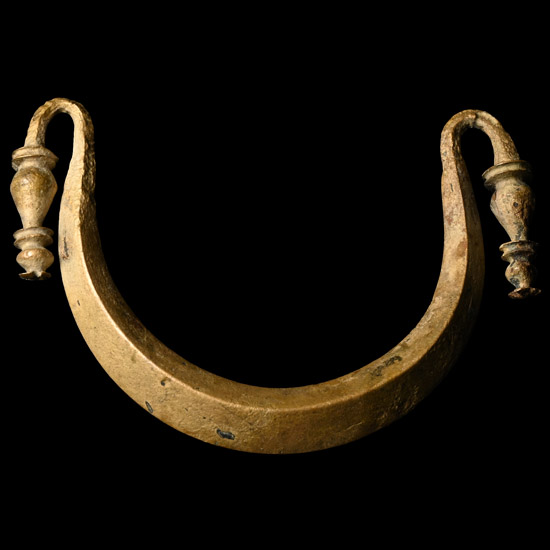
Roman Bronze Vessel Handle
1st-2nd century A.D.Sold for (Inc. bp): £78
Crescentic in form and square in section with recurved knop finials. 24.25 grams, 63.11 mm
From the private collection of a European gentleman (1942-2024), formed since the 1970s. -
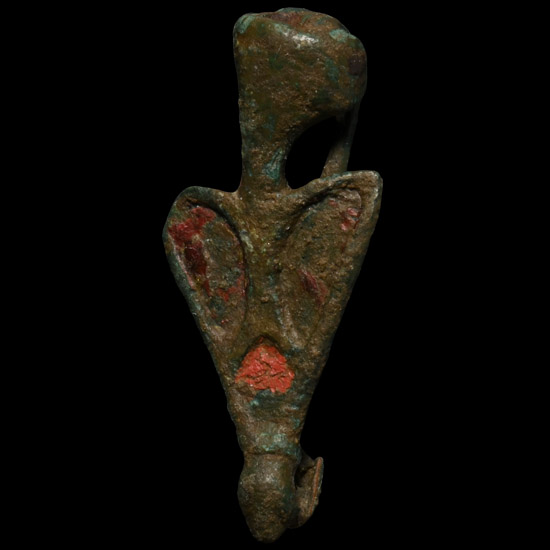
Romano-British Enamelled Bronze Fly Brooch
Circa 2nd century A.D.Sold for (Inc. bp): £111
With open wings and head formed as a rounded knob; pin, spring and catch to the reverse. 2.94 grams, 32 mm
Acquired on the UK art market before 2000. Property of an Essex, UK, gentleman. -
.jpg)
Roman Carnelian Gemstone with Eagle
2nd-3rd century A.D.Sold for (Inc. bp): £124
With an intaglio eagle standing with its head turned and a wreath in its beak; supplied with a museum-quality impression. 0.97 grams, 11.14 mm
From the private collection of a European gentleman (1942-2024), formed since the 1970s.
