
Loading, please wait...
_900x900.jpg "Roman Bronze Zebu Statuette")
_200x200.jpg "Roman Bronze Zebu Statuette")
.jpg "Roman Bronze Zebu Statuette")
LOT 0995
Roman Bronze Zebu Statuette
3RD-4TH CENTURY A.D.
1 7/8 in. (61 grams, 47 mm).
Hollow-formed in reclining pose with the legs folded beneath the body, tail curled over the rump, hump to rear of neck.
ProvenanceAcquired in 1992.
Private collection, thence by descent.
Private collection, since the late 1990s.
TimeLine Auctions follows a vetting process to ensure the authenticity and legality of all items, reinforcing our commitment to integrity and responsible trading. Each antiquity, antique, and coin lot undergoes thorough examination by a vetting committee of at least ten external specialists, professional trade association members, scientists, and archaeologists: Our Vetting Process
AUCTIONS:
TimeLine is a leading auction house specialising in antiquities, ancient art, collectables, natural history, coins, medals, and books. Our auctions offer museums, collectors, historians, and enthusiasts the opportunity to acquire unique and historically significant pieces.
LOT 0995
Roman Bronze Zebu Statuette
Estimate £800 - 1,000€930 - 1,160 (for guidance only)$1,080 - 1,350 (for guidance only)
-
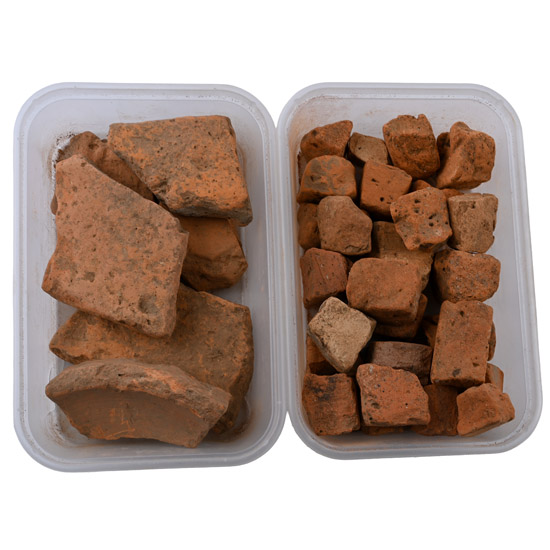
Roman Terracotta Tile Sections and Tesserae Group
Circa 1st-4th century A.D.Sold for (Inc. bp): £26
Mixed group of roughly cuboid tesserae and variously shaped tile fragments. 1 kg total including boxes, 15-90 mm
From the collection of a Dorset, UK, gentleman. Ex West London, UK, gentleman. -
.jpg)
Roman Carnelian Gemstone with Man and Goat
2nd-3rd century A.D.Sold for (Inc. bp): £85
With intaglio scene of a man sitting behind a goat browsing on leaves; supplied with a museum-quality impression. 0.26 grams, 10.42 mm
From the private collection of a European gentleman (1942-2024), formed since the 1970s. -
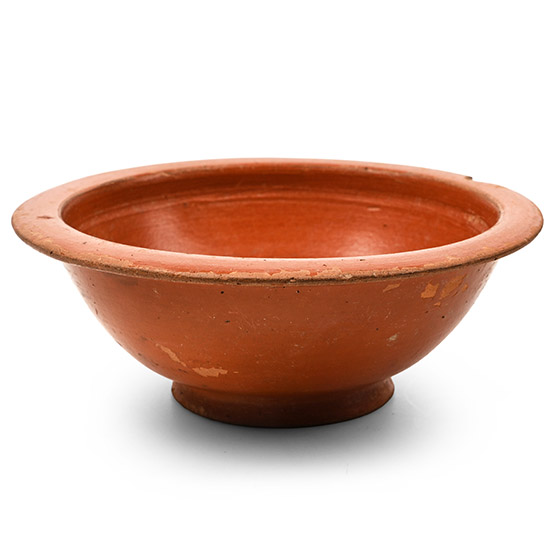
Roman Redware Bowl
Circa 1st century A.D.Sold for (Inc. bp): £104
Shallow body with flat rim and low basal ring. 80 grams, 10.8 cm wide
From the collection of a late Yorkshire, UK, gentleman.
