
Loading, please wait...


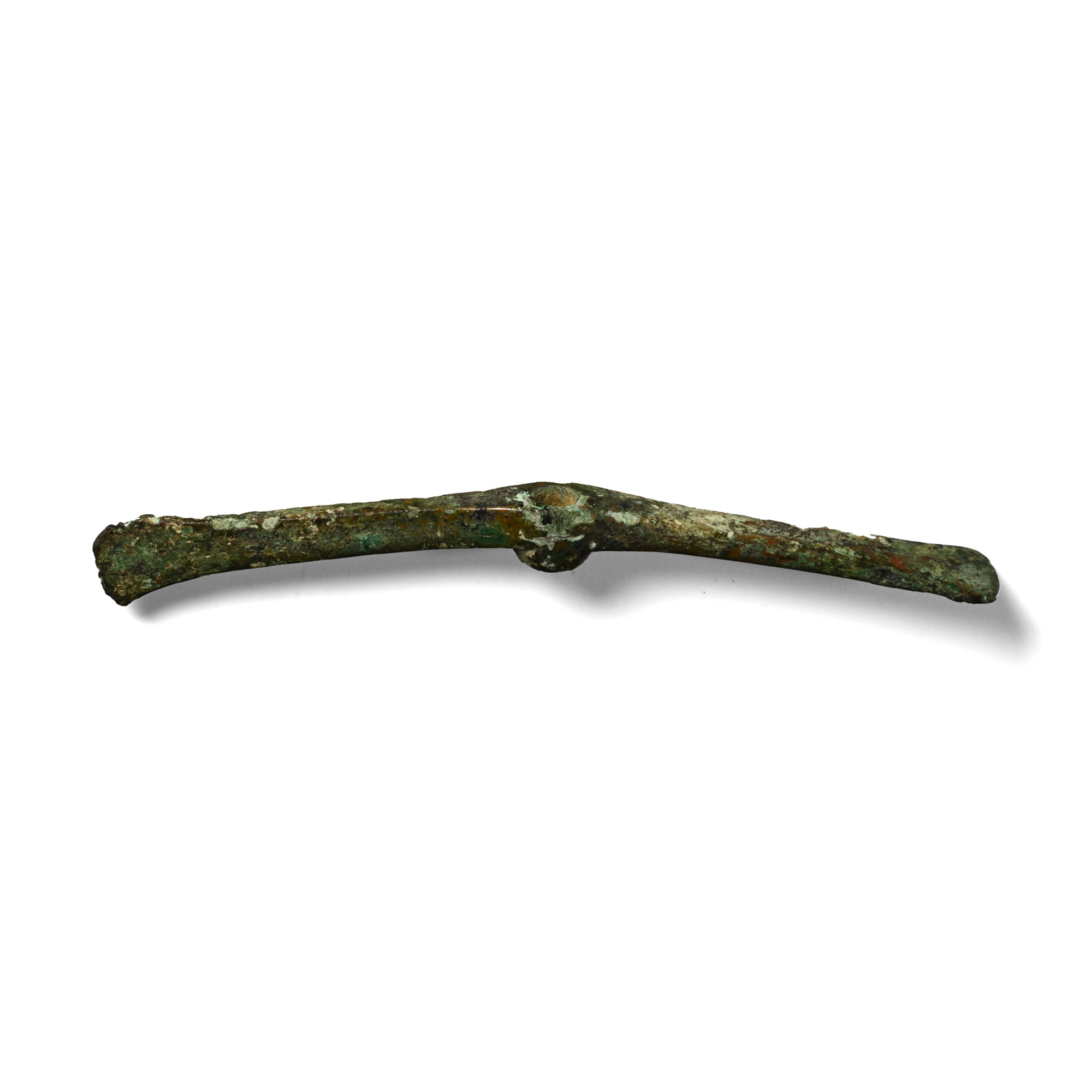
LOT 0781
Roman Bronze Votive Dolabra
1ST CENTURY A.D.
2 1/8 in. (2.89 grams, 55 mm).
Miniature tool with axeblade and adze blade, central socket. [No Reserve]
ProvenanceEx Herbert A. Cahn, Basel, 1990s.
Accompanied by a copy of an Art Loss Register certificate no.S00034847.
This lot is accompanied by an illustrated lot declaration signed by the Head of the Antiquities Department, Dr Raffaele D’Amato.
TimeLine Auctions follows a vetting process to ensure the authenticity and legality of all items, reinforcing our commitment to integrity and responsible trading. Each antiquity, antique, and coin lot undergoes thorough examination by a vetting committee of at least ten external specialists, professional trade association members, scientists, and archaeologists: Our Vetting Process
AUCTIONS:
TimeLine is a leading auction house specialising in antiquities, ancient art, collectables, natural history, coins, medals, and books. Our auctions offer museums, collectors, historians, and enthusiasts the opportunity to acquire unique and historically significant pieces.
-
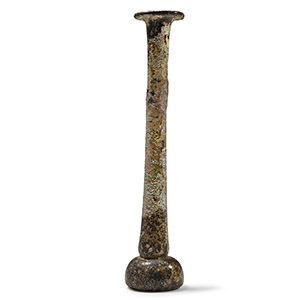
Roman Tall Glass Unguentarium
2nd-3rd century A.DSold for (Inc. bp): £104
Tall iridescent vessel with wide foot and dimpled base, tapering stem and flared rim, two small holes, repaired. 12.5 grams, 14.5 cm
Ex London art market 1990s. From a London, UK, collection. This lot is accompanied by an illustrated lot declaration signed by the Head of the Antiquities Department, Dr Raffaele D’Amato. -
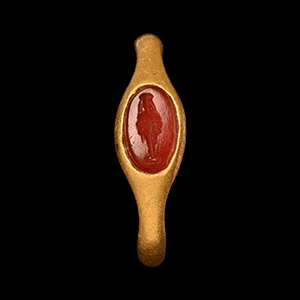
Roman Gold Ring with Artemis of Ephesus Gemstone
2nd-3rd century A.D.Sold for (Inc. bp): £2,470
Slender hoop with sharp shoulders, inset carnelian gemstone with intaglio Artemis motif. 3.18 grams, 21.99 mm overall, 19.22 mm internal diameter (approximate size British N 1/2, USA 6 3/4, Europe 14.35, Japan 13)
Ex German art market, 2000s. Acquired from an EU collector living in London. From the collection of Surrey, UK, gentleman. This lot is accompanied by an illustrated lot declaration signed by the Head of the Antiquities Department, Dr Raffaele D’Amato. -

Roman Bronze Statuette of the God of Mercury
1st-2nd century A.D.Sold for (Inc. bp): £468
Modelled standing nude in contrapposto stance, wearing a mantle draped to the left shoulder and secured at the right, wearing winged petasos cap, standing on a rectangular base. 89.8 grams, 95 mm
UK private collection before 2000. Acquired on the UK art market. Property of a London gentleman. This lot is accompanied by an illustrated lot declaration signed by the Head of the Antiquities Department, Dr Raffaele D’Amato.
