
Loading, please wait...
LOT 0740
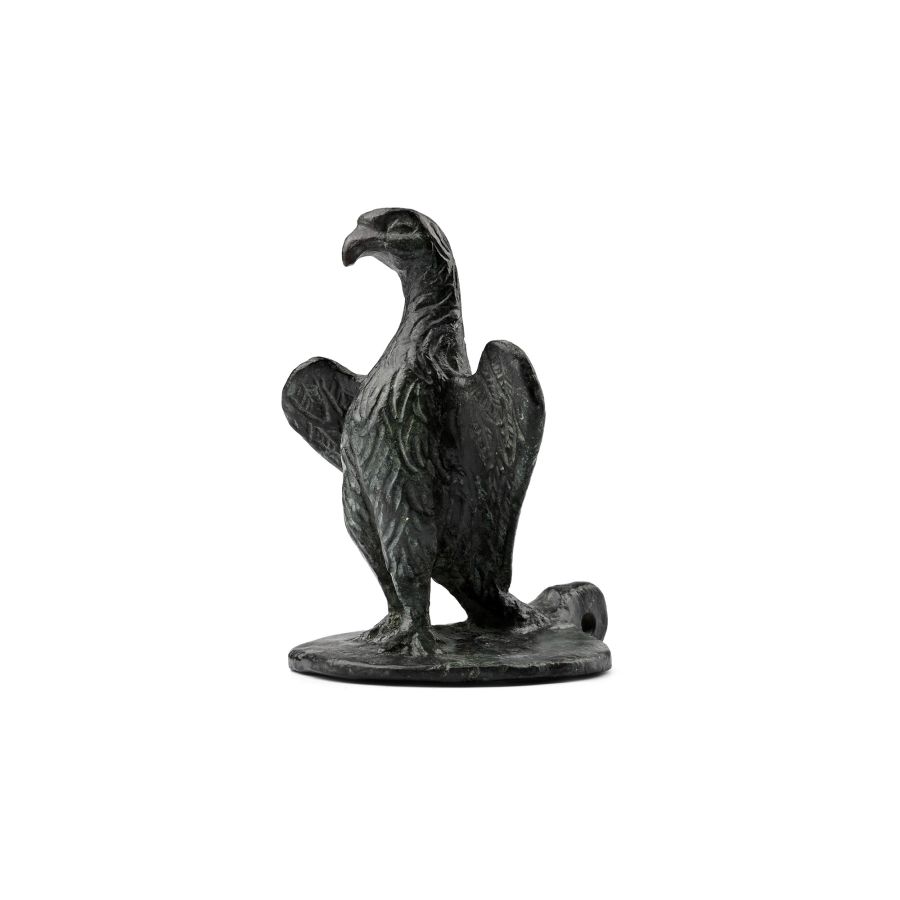
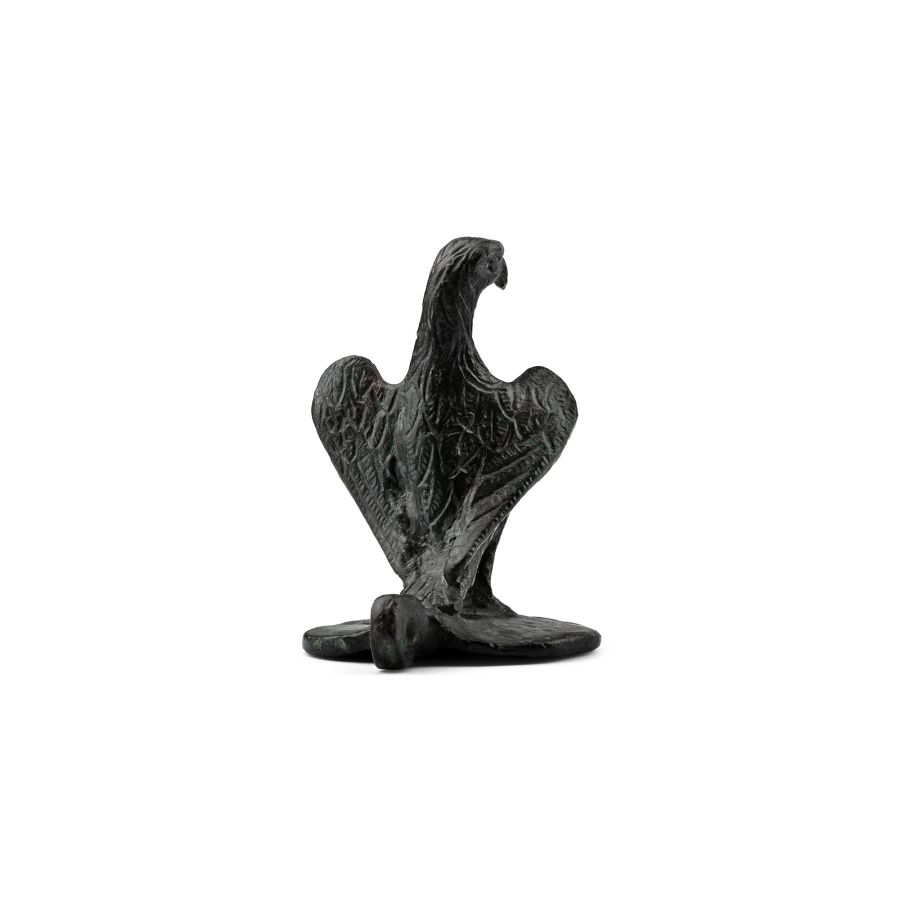
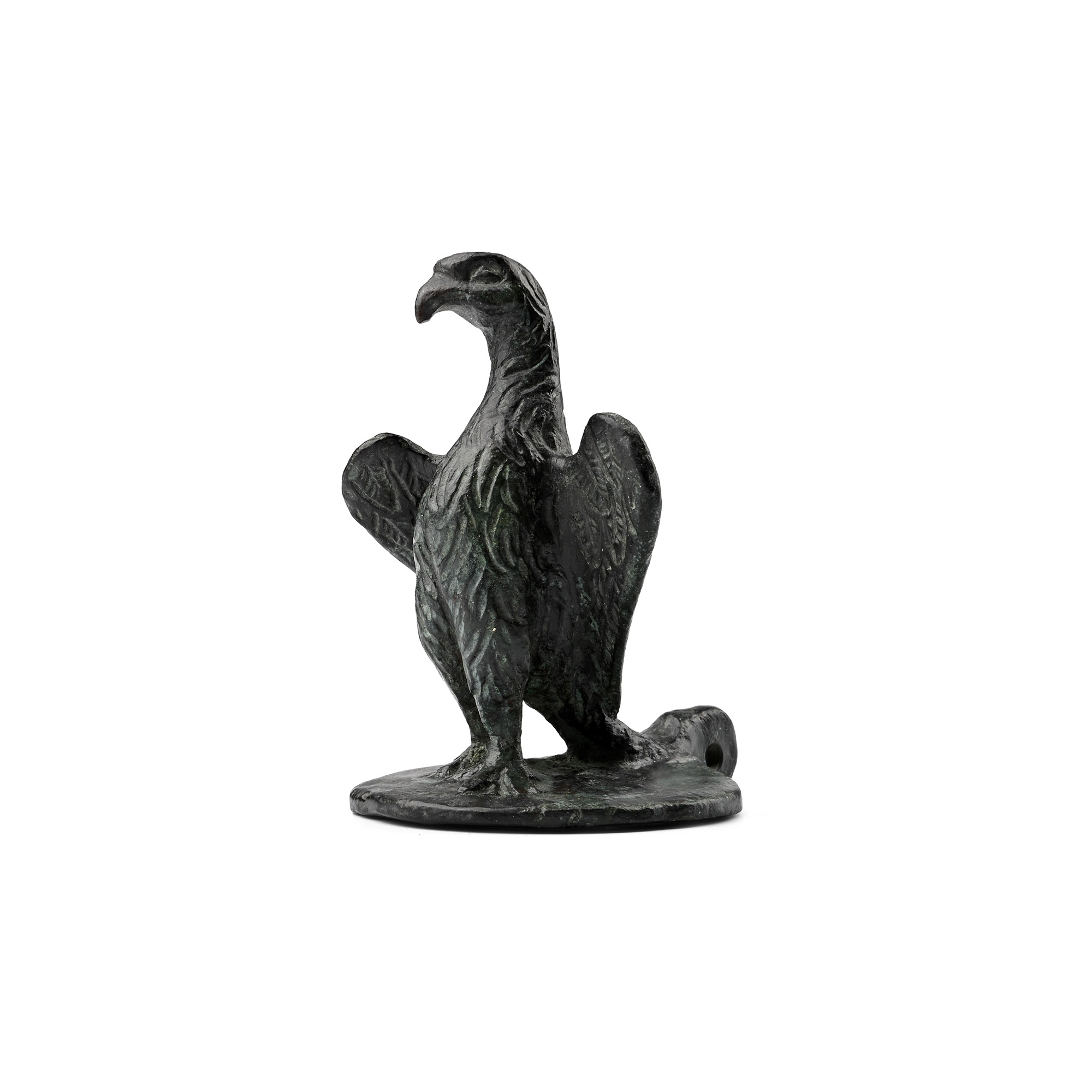
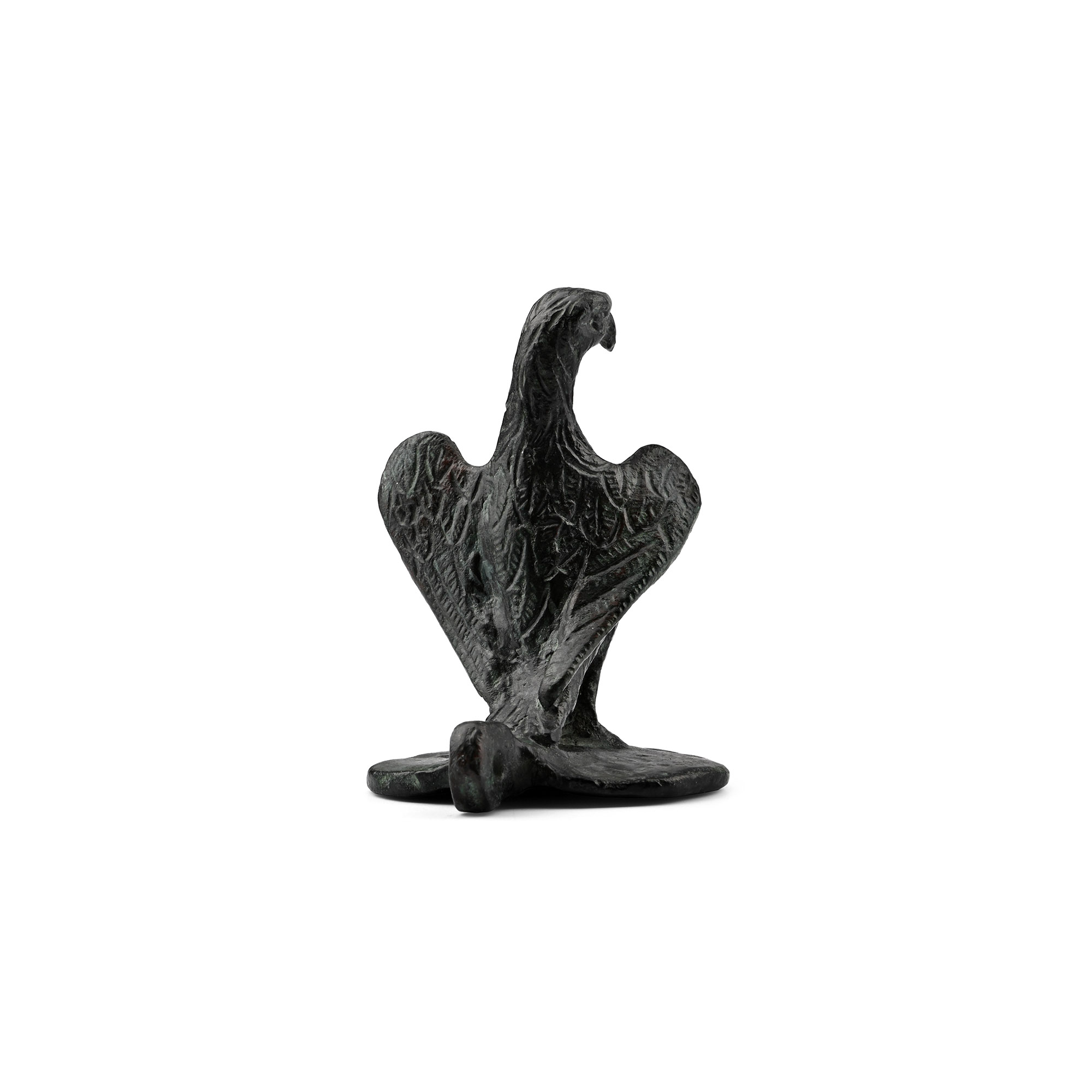
Roman Bronze Vessel Lid with Eagle
1ST-4TH CENTURY A.D.
2 1/2 in. (137 grams total, 63 mm).
The majestic predator standing on a discoid lid with its wings slightly opened, curved beak and expressive facial detailing, intricate feather detailing on the body and wings.
ProvenanceEx German art market, 2000s.
Acquired from an EU collector living in London.
From the collection of a Surrey, UK, gentleman.
This lot is accompanied by an illustrated lot declaration signed by the Head of the Antiquities Department, Dr Raffaele D'Amato.
TimeLine Auctions follows a vetting process to ensure the authenticity and legality of all items, reinforcing our commitment to integrity and responsible trading. Each antiquity, antique, and coin lot undergoes thorough examination by a vetting committee of at least ten external specialists, professional trade association members, scientists, and archaeologists: Our Vetting Process
AUCTIONS:
TimeLine is a leading auction house specialising in antiquities, ancient art, collectables, natural history, coins, medals, and books. Our auctions offer museums, collectors, historians, and enthusiasts the opportunity to acquire unique and historically significant pieces.
LOT 0740
Roman Bronze Vessel Lid with Eagle
Estimate £400 - 600€460 - 700 (for guidance only)$540 - 810 (for guidance only)
-
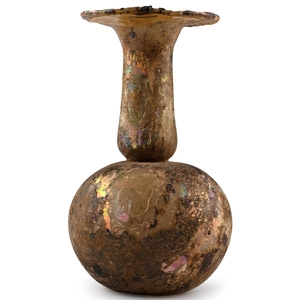
Roman Glass Bottle
3rd-4th century A.D.Sold for (Inc. bp): £130
With broad flange rim, tapering neck and globular body with narrow base. 27 grams, 82 mm
From the private collection of Kenneth Machin (1936-2020), Buckinghamshire, UK; his collection of antiquities and natural history was formed since 1948; thence by descent. This lot is accompanied by an illustrated lot declaration signed by the Head of the Antiquities Department, Dr Raffaele D'Amato. -
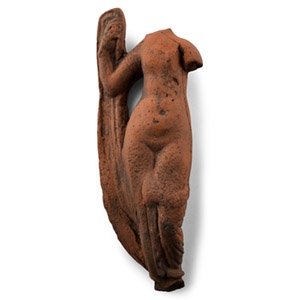
Roman Terracotta Figure of the Naked Venus
1st-4th century A.D.Sold for (Inc. bp): £182
Hollow-formed moulded figurine, Venus (Greek Aphrodite) standing nude holding up a fold of her robe cascading to her feet. 120 grams, 16.5 cm
Ex German art market, 2000s. Acquired from an EU collector living in London. From the collection of a Surrey, UK, gentleman. This lot is accompanied by an illustrated lot declaration signed by the Head of the Antiquities Department, Dr Raffaele D'Amato. -
.jpg)
Roman Bronze Mercury Statuette
Eastern Provincial, 3rd-4th century A.D.Sold for (Inc. bp): £715
Modelled in the round, standing nude with attributes, cloak and caduceus on the left arm, coin-purse in the right hand; winged diadem; on a square base with stub legs. 102 grams, 10 cm
Ex German art market, 2000s. Acquired from an EU collector living in London. From the collection of a Surrey, UK, gentleman. This lot is accompanied by an illustrated lot declaration signed by the Head of the Antiquities Department, Dr Raffaele D'Amato.
