
Loading, please wait...
LOT 0559
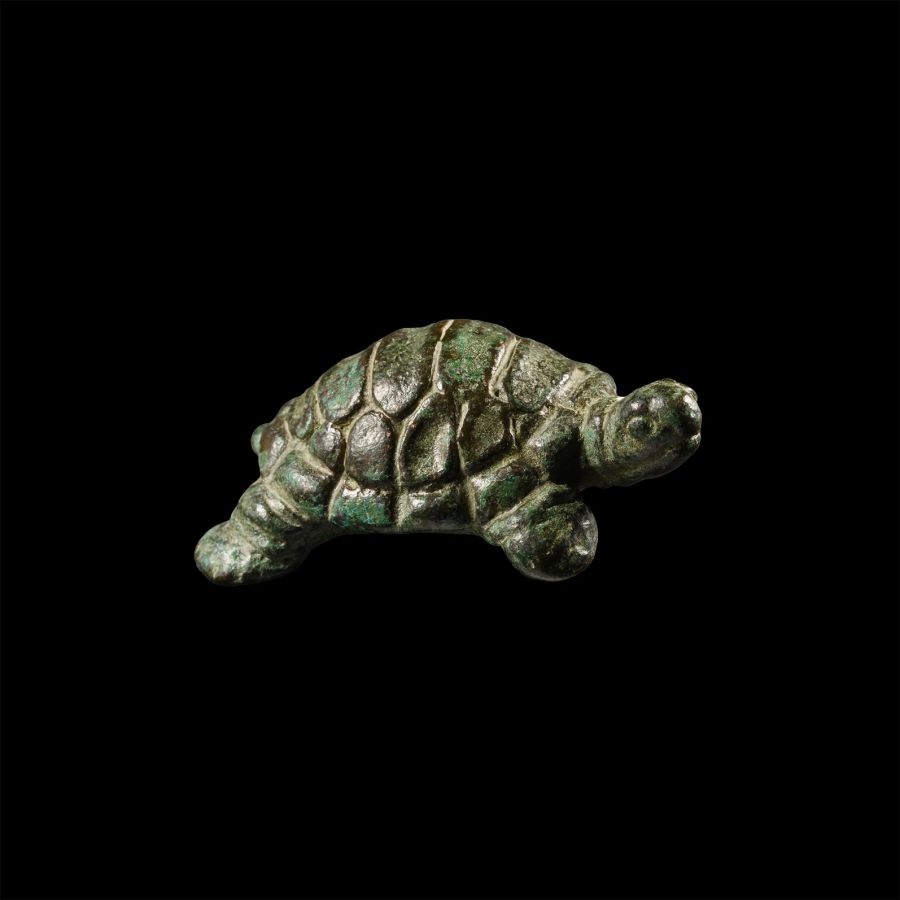
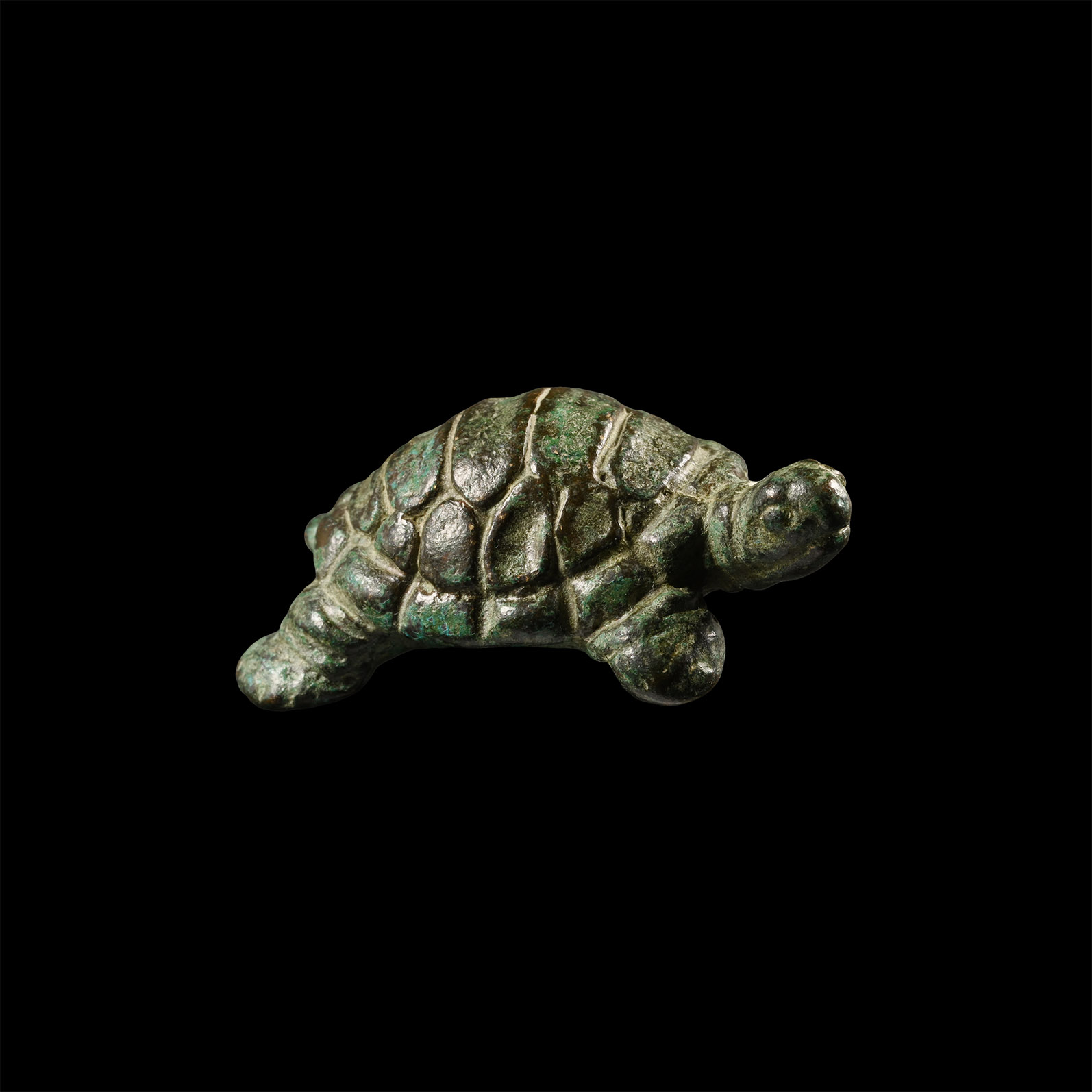
Roman Bronze Tortoise Figure
2ND-3RD CENTURY A.D.
1 1/2 in. (30.1 grams, 37 mm).
Modelled in the round with semi-naturalistic detailing, head raised and turned slightly to the right.
ProvenanceEx UK private collection.
Acquired at the London Coin Fair in the early 1990s.
Property of a Buckinghamshire, UK, gentleman.
TimeLine Auctions follows a vetting process to ensure the authenticity and legality of all items, reinforcing our commitment to integrity and responsible trading. Each antiquity, antique, and coin lot undergoes thorough examination by a vetting committee of at least ten external specialists, professional trade association members, scientists, and archaeologists: Our Vetting Process
AUCTIONS:
TimeLine is a leading auction house specialising in antiquities, ancient art, collectables, natural history, coins, medals, and books. Our auctions offer museums, collectors, historians, and enthusiasts the opportunity to acquire unique and historically significant pieces.
-
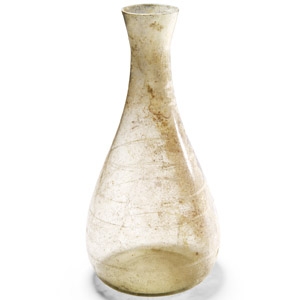
Roman Translucent Glass Flask with Engraved Rings
4th century A.D.Sold for (Inc. bp): £130
Tall with funicular neck, four engraved rings to the body. 74 grams, 17.6 cm high
Acquired 1970s-1996. Property of a North American collector. London collection, 2016. -
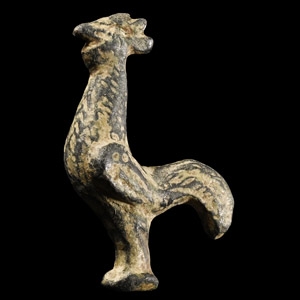
Roman Bronze Cockerel Statuette
1st-4th century A.D.Sold for (Inc. bp): £169
Modelled in the round with feather detailing. 9.96 grams, 32 mm
‘The Ancient Menagerie Collection’ formerly the property of a Cambridgeshire lady, collected since the 1990s and acquired from auctions and dealers throughout Europe and the USA, now ex London collection. -
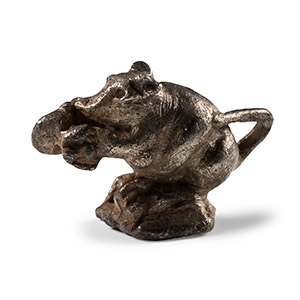
Roman Silver Sitting Mouse Statuette
1st-4th century A.D.Estimate: £250 - 350 (+bp*)
Opening Bid: £139
Modelled in the round with naturalistic detailing, feeding on a nut held between its front paws, sitting on a sub-rectangular base. 7.49 grams, 21 mm
‘The Ancient Menagerie Collection’ formerly the property of a Cambridgeshire lady, collected since the 1990s and acquired from auctions and dealers throughout Europe and the USA, now ex London collection.
