
Loading, please wait...
LOT 0555
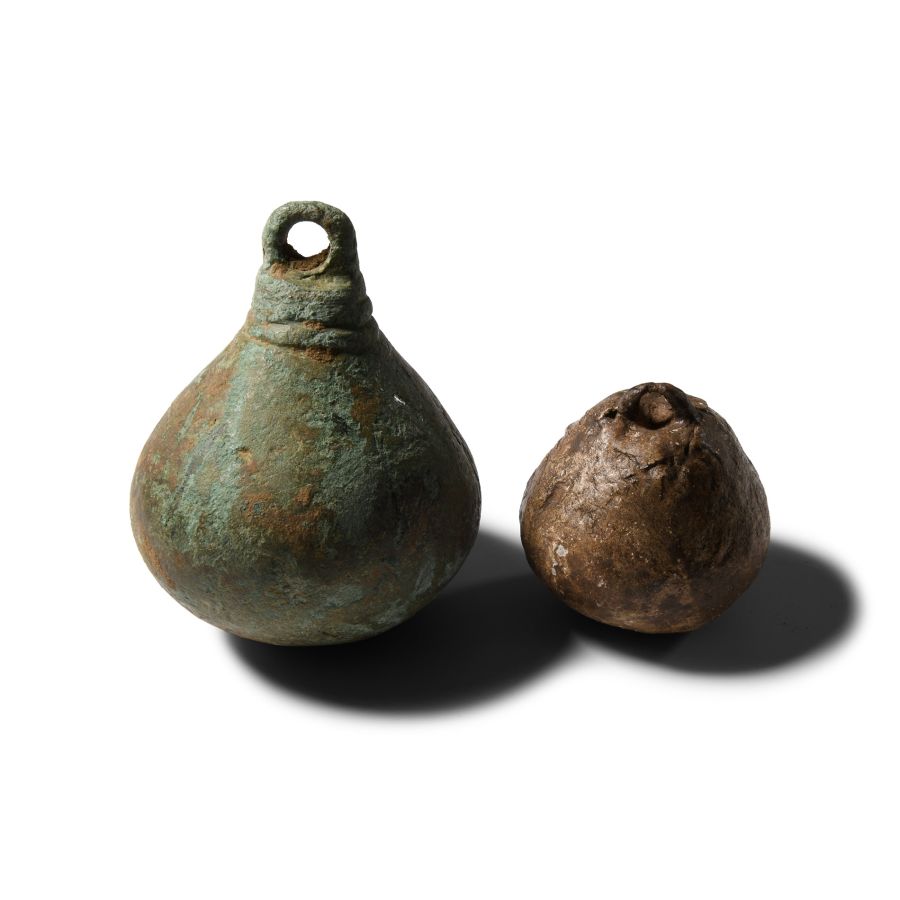
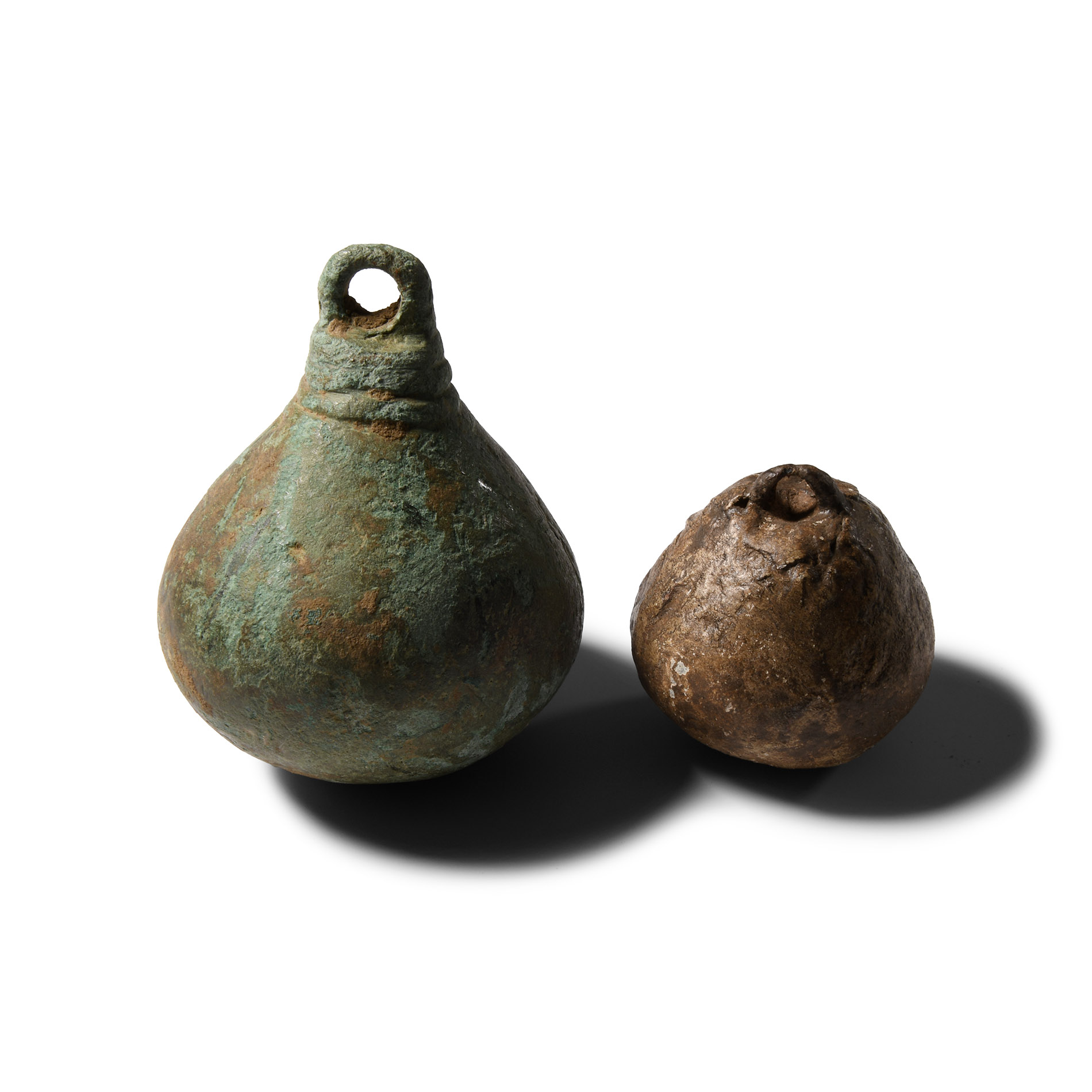
Roman Bronze Steelyard Weight Group
1ST-4TH CENTURY A.D.
1 1/2 - 2 3/4 in. (945 grams total, 40-69 mm).
Comprising: a pear-shaped bronze weight with collared loop, lead-filled; a bulbous lead weight with iron loop. [2, No Reserve]
ProvenanceFound near Wetwang, East Yorkshire, UK.
Property of a Nottinghamshire gentleman.
TimeLine Auctions follows a vetting process to ensure the authenticity and legality of all items, reinforcing our commitment to integrity and responsible trading. Each antiquity, antique, and coin lot undergoes thorough examination by a vetting committee of at least ten external specialists, professional trade association members, scientists, and archaeologists: Our Vetting Process
AUCTIONS:
TimeLine is a leading auction house specialising in antiquities, ancient art, collectables, natural history, coins, medals, and books. Our auctions offer museums, collectors, historians, and enthusiasts the opportunity to acquire unique and historically significant pieces.
-
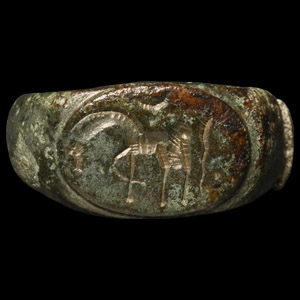
Roman Bronze Ring with Horse
Circa 1st-3rd century A.D.Sold for (Inc. bp): £85
With rectangular-section hoop supporting a raised oval bezel, intaglio image of a grazing horse with crescent above; hoop split. 5.8 grams, 22.49 mm overall, 18.79 mm internal diameter (approximate size British O, USA 7, Europe 14.98, Japan 14)
From the collection of a High Wycombe, Buckinghamshire, UK, gentleman, circa 2000. -
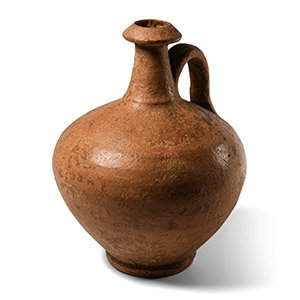
Roman Terracotta Wine Flagon
Circa 1st-2nd century A.D.Sold for (Inc. bp): £117
With globular body and basal ring, tall columnar neck with biconical collar, single strap handle to the rear. 305 grams, 15 cm
From the collection of a High Wycombe, Buckinghamshire, UK, gentleman, circa 2000. -
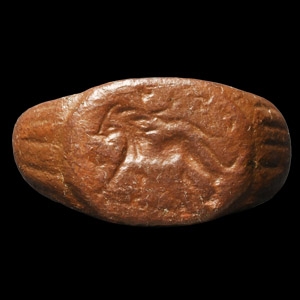
Roman Bronze Ring with Lion
Circa 2nd-4th century A.D.Sold for (Inc. bp): £46
The narrow hoop expanding at the fluted shoulders, oval bezel with intaglio image of an advancing lion with voluminous mane. 5.58 grams, 24.46 mm overall, 19.29 mm internal diameter (approximate size British M 1/2, USA 6 1/4, Europe 13.09, Japan 12)
From the collection of a High Wycombe, Buckinghamshire, UK, gentleman, circa 2000.
