
Loading, please wait...
LOT 0763
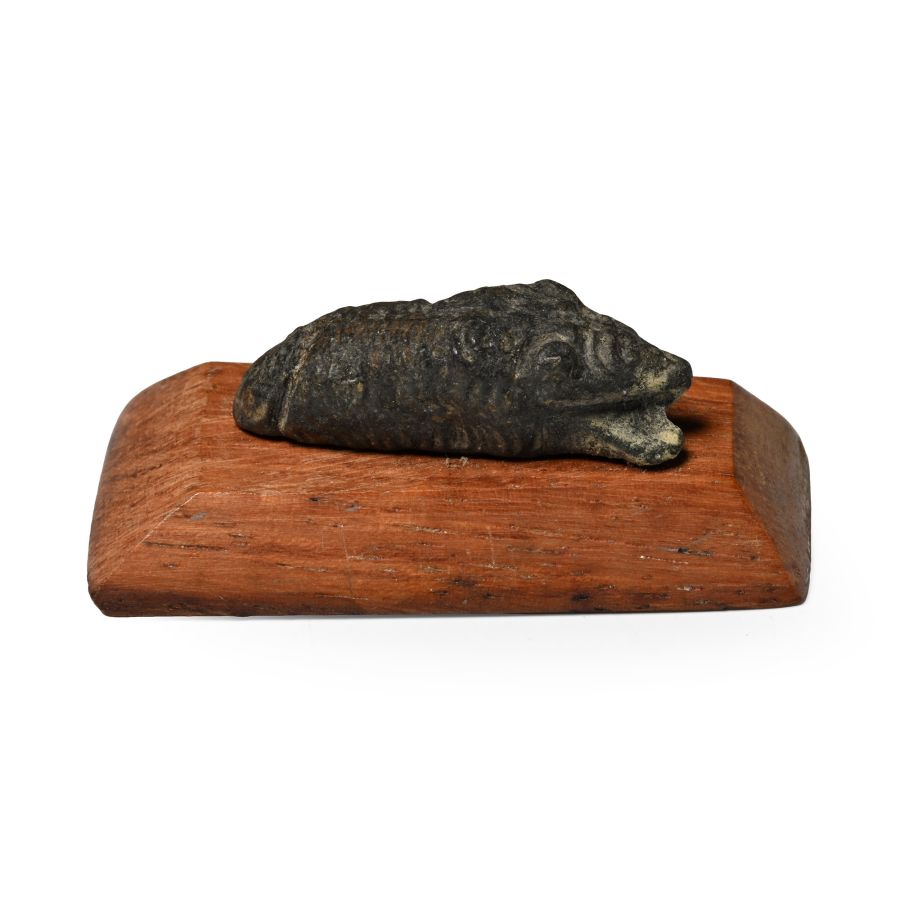
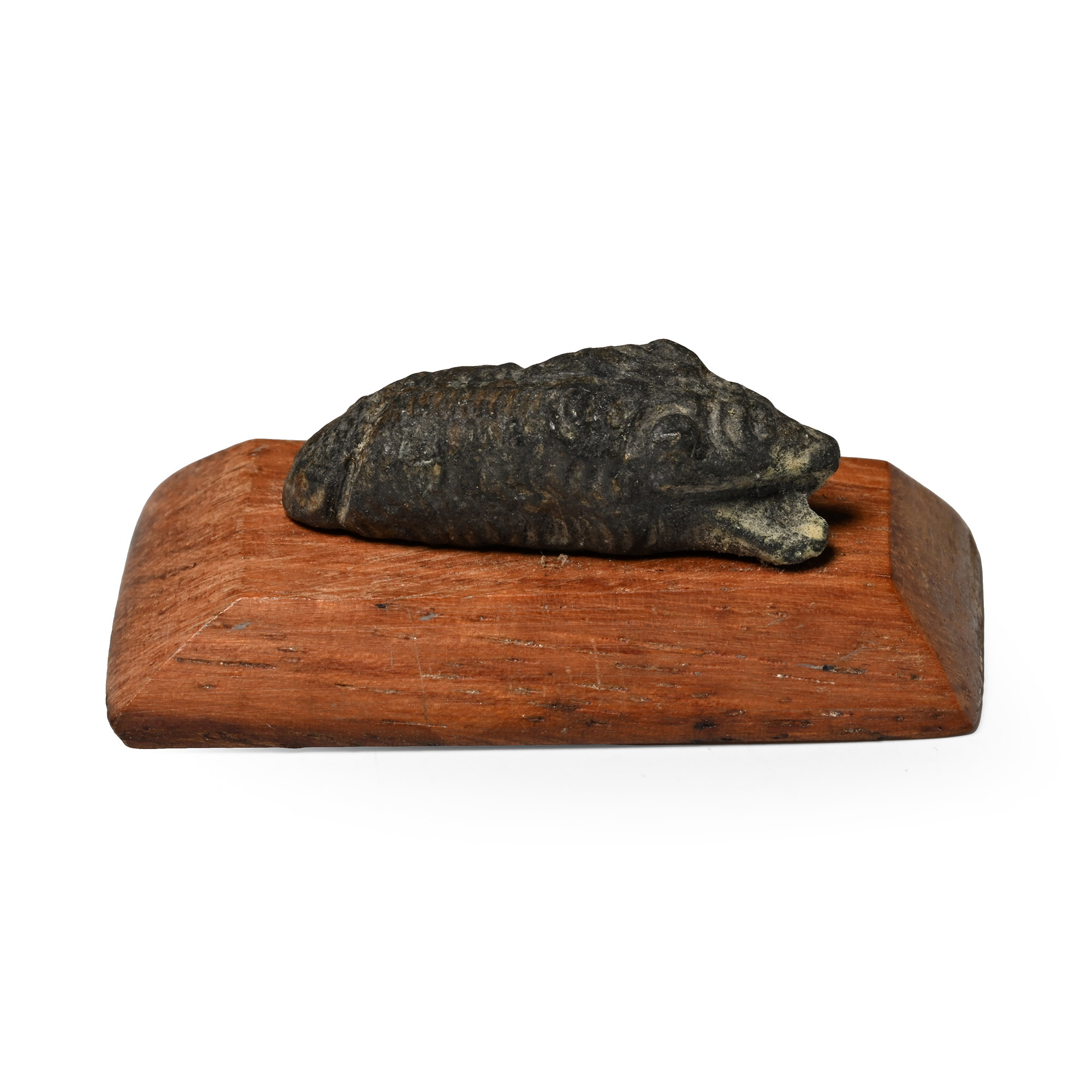
Roman Bronze Statuette of a Sleeping Dog
1ST-4TH CENTURY A.D.
1 in. (10.5 grams total, dog: 24.8 mm long).
A small figure of a resting dog with its head resting on its front paws, fur detailing on the body; mounted on a wooden display stand. [No Reserve]
ProvenanceFrom the private collection of a European gentleman (1942-2024), formed since the 1970s.
CONDITIONTimeLine Auctions follows a vetting process to ensure the authenticity and legality of all items, reinforcing our commitment to integrity and responsible trading. Each antiquity, antique, and coin lot undergoes thorough examination by a vetting committee of at least ten external specialists, professional trade association members, scientists, and archaeologists: Our Vetting Process
AUCTIONS:
TimeLine is a leading auction house specialising in antiquities, ancient art, collectables, natural history, coins, medals, and books. Our auctions offer museums, collectors, historians, and enthusiasts the opportunity to acquire unique and historically significant pieces.
-
.jpg)
Roman Bronze Statuette of a Wild Boar
1st-2nd century A.D.Sold for (Inc. bp): £910
Modelled in the round with ridge of bristles along the spine. 51.26 grams, 52 mm
UK private collection before 2000. Acquired on the UK art market. Private collection, London, UK. -
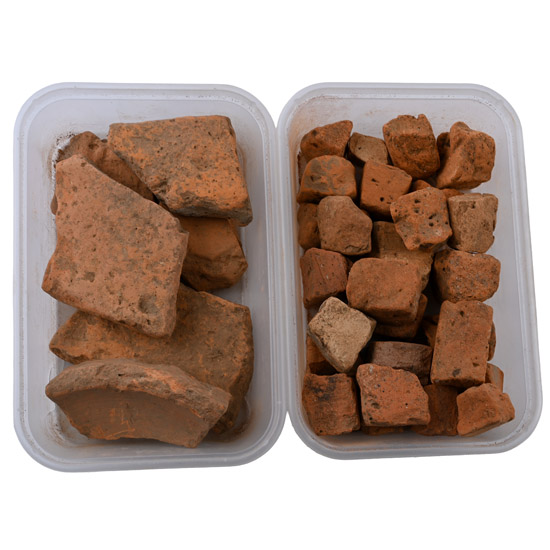
Roman Terracotta Tile Sections and Tesserae Group
Circa 1st-4th century A.D.Sold for (Inc. bp): £26
Mixed group of roughly cuboid tesserae and variously shaped tile fragments. 1 kg total including boxes, 15-90 mm
From the collection of a Dorset, UK, gentleman. Ex West London, UK, gentleman. -
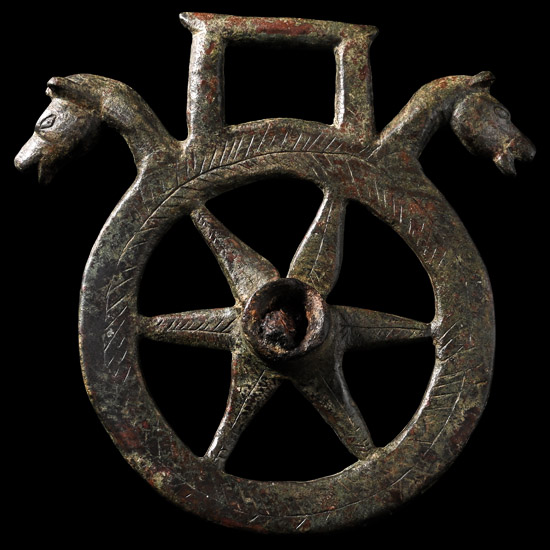
Late Roman Bronze Horse Harness Phalera with Horse Heads
4th-6th century A.D.Sold for (Inc. bp): £494
Formed as a six-spoked wheel with raised rim to the hub and wreath detailing to the rim and spokes; rectangular slot above flanked by two addorsed horse-heads; ferrous spike to centre. 283 grams, 11.9 cm
From an English private collection, 1980s. Property of a London, UK, antiquarian.
