
Loading, please wait...

LOT 0619
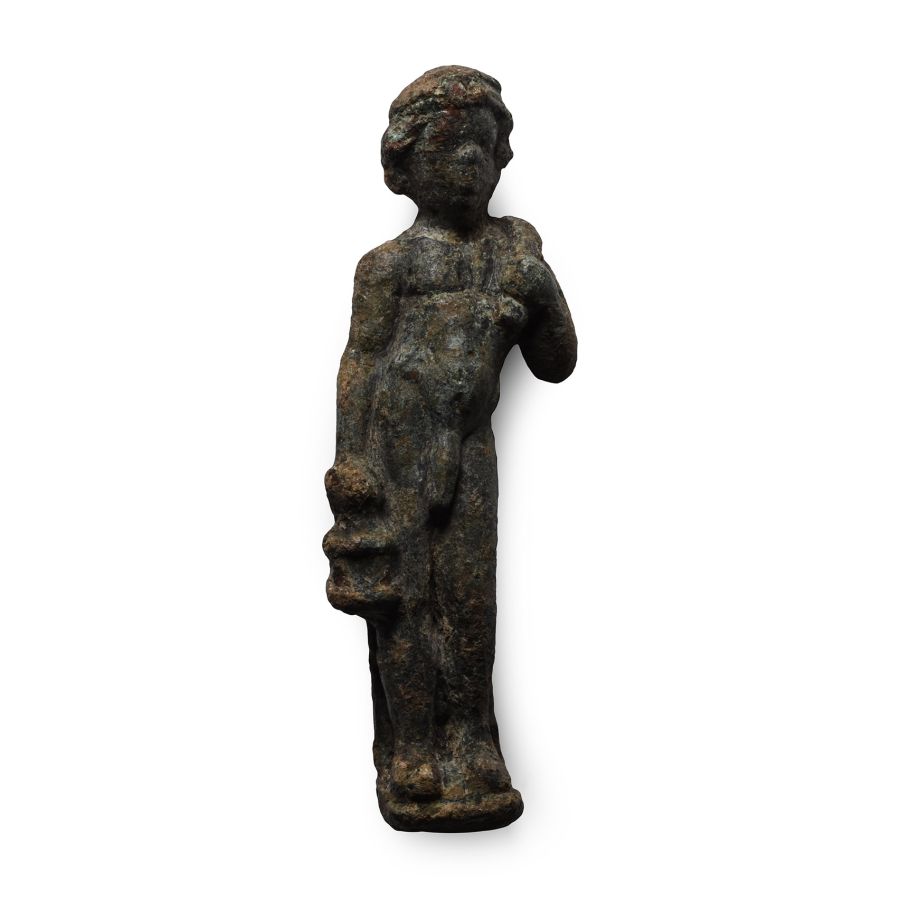
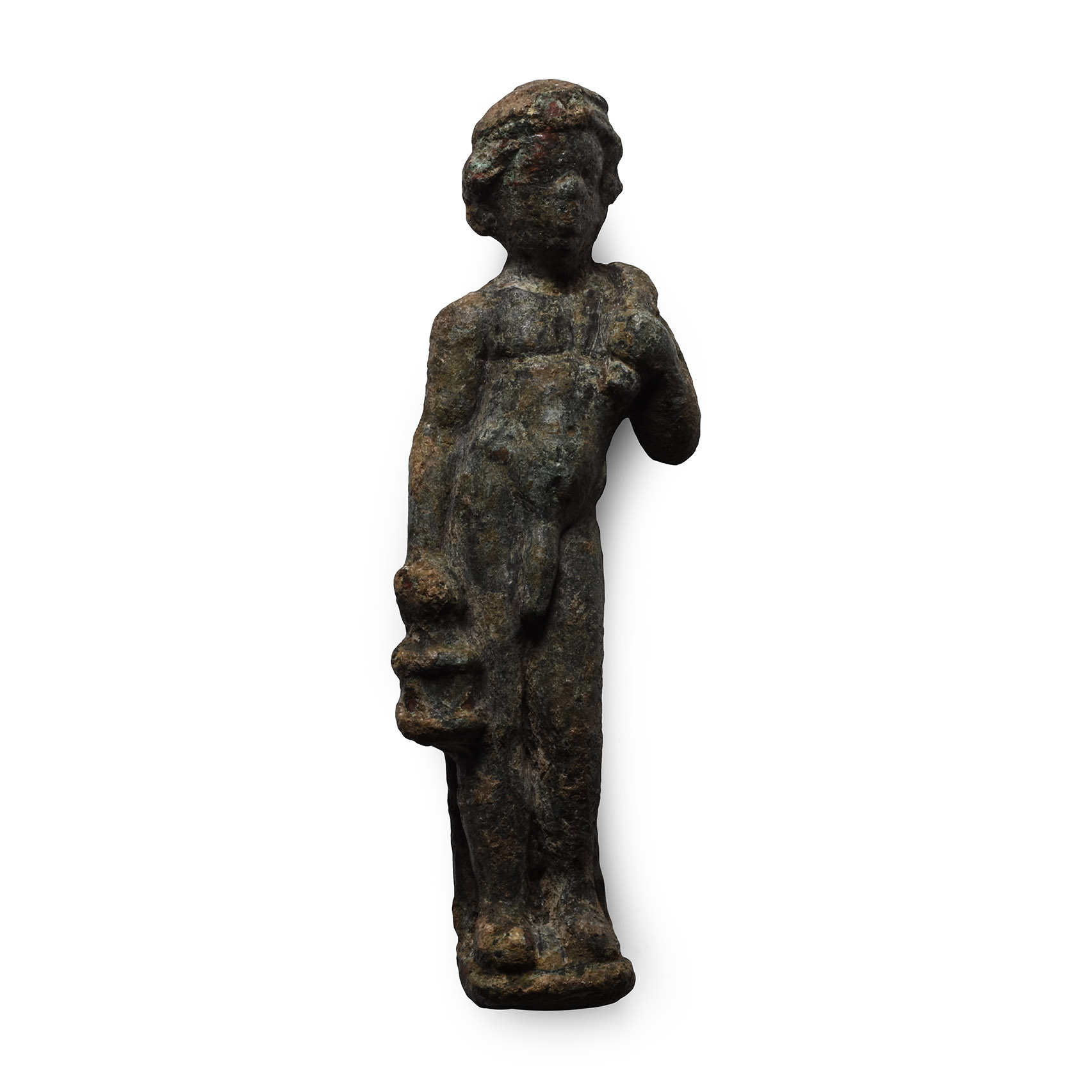
Roman Bronze Statuette of a Nude Male
1ST-4TH CENTURY A.D.
2 5/8 in. (47 grams, 68 mm).
Modelled in the round standing on a small discoid base with tongue-shaped leaf to the rear of the legs holding a vessel in his proper right hand, net(?) thrown over his left shoulder.
ProvenanceFrom the collection of a gentleman, acquired on the London art market in the 1990s.
CONDITIONTimeLine Auctions follows a vetting process to ensure the authenticity and legality of all items, reinforcing our commitment to integrity and responsible trading. Each antiquity, antique, and coin lot undergoes thorough examination by a vetting committee of at least ten external specialists, professional trade association members, scientists, and archaeologists: Our Vetting Process
AUCTIONS:
TimeLine is a leading auction house specialising in antiquities, ancient art, collectables, natural history, coins, medals, and books. Our auctions offer museums, collectors, historians, and enthusiasts the opportunity to acquire unique and historically significant pieces.
-
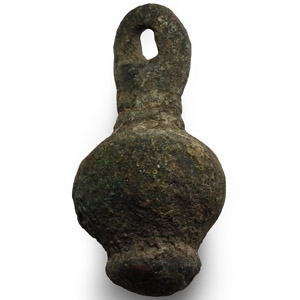
Roman Bronze Mason's Plumb Bob Weight
1st-4th century A.D.Sold for (Inc. bp): £13
With bulbous body, domed base, pierced suspension lug. 23.5 grams, 33 mm
Acquired on the UK art market before 2000. Property of an Essex, UK, gentleman. -
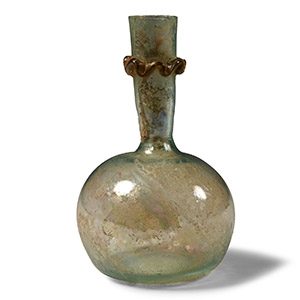
Roman Decorated Glass Flask
1st century A.D.Sold for (Inc. bp): £286
With piriform body, tubular neck with flat rim, applied undulating amber glass trail below the mouth. 50 grams, 11.8 cm
From a London, UK, collection, 1990s. -
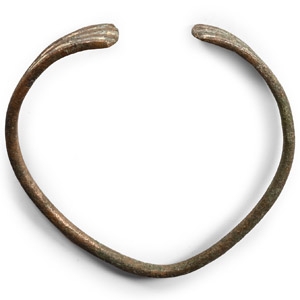
Roman Bronze Armilla Bracelet
1st-4th century A.D.Sold for (Inc. bp): £46
With flared triangular finials and divergent ribbing. 9.5 grams, 58 mm
UK private collection before 2000. Acquired on the UK art market. Property of a London gentleman.
