
Loading, please wait...
LOT 0908
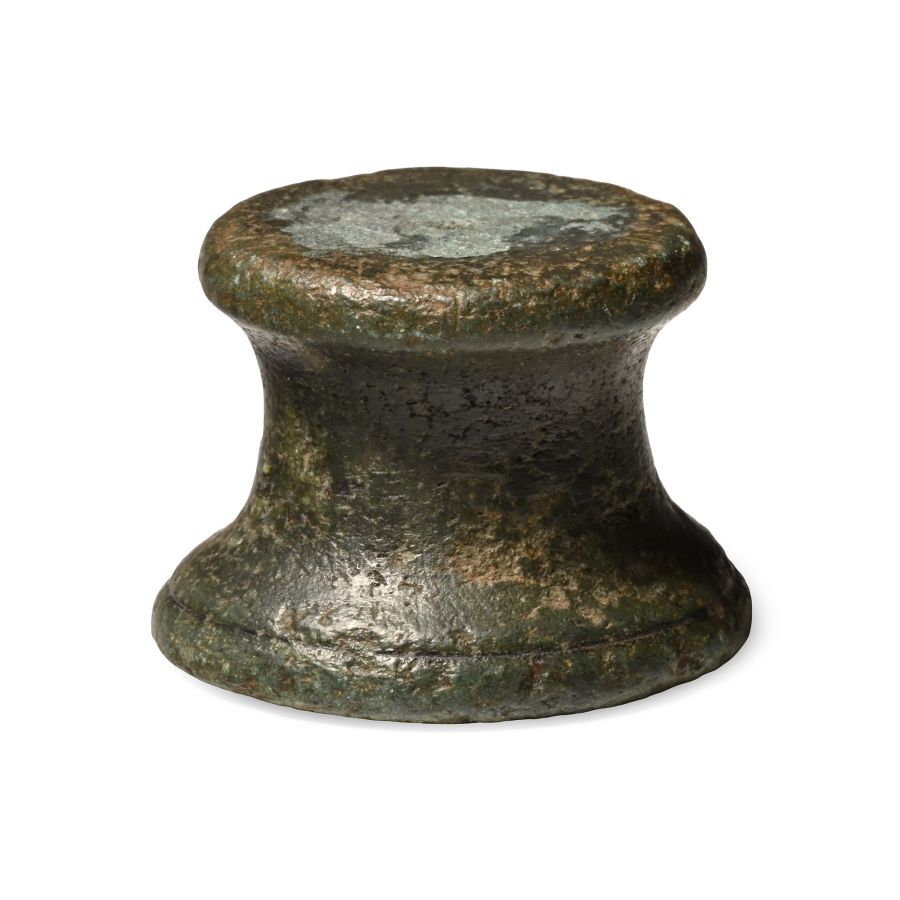
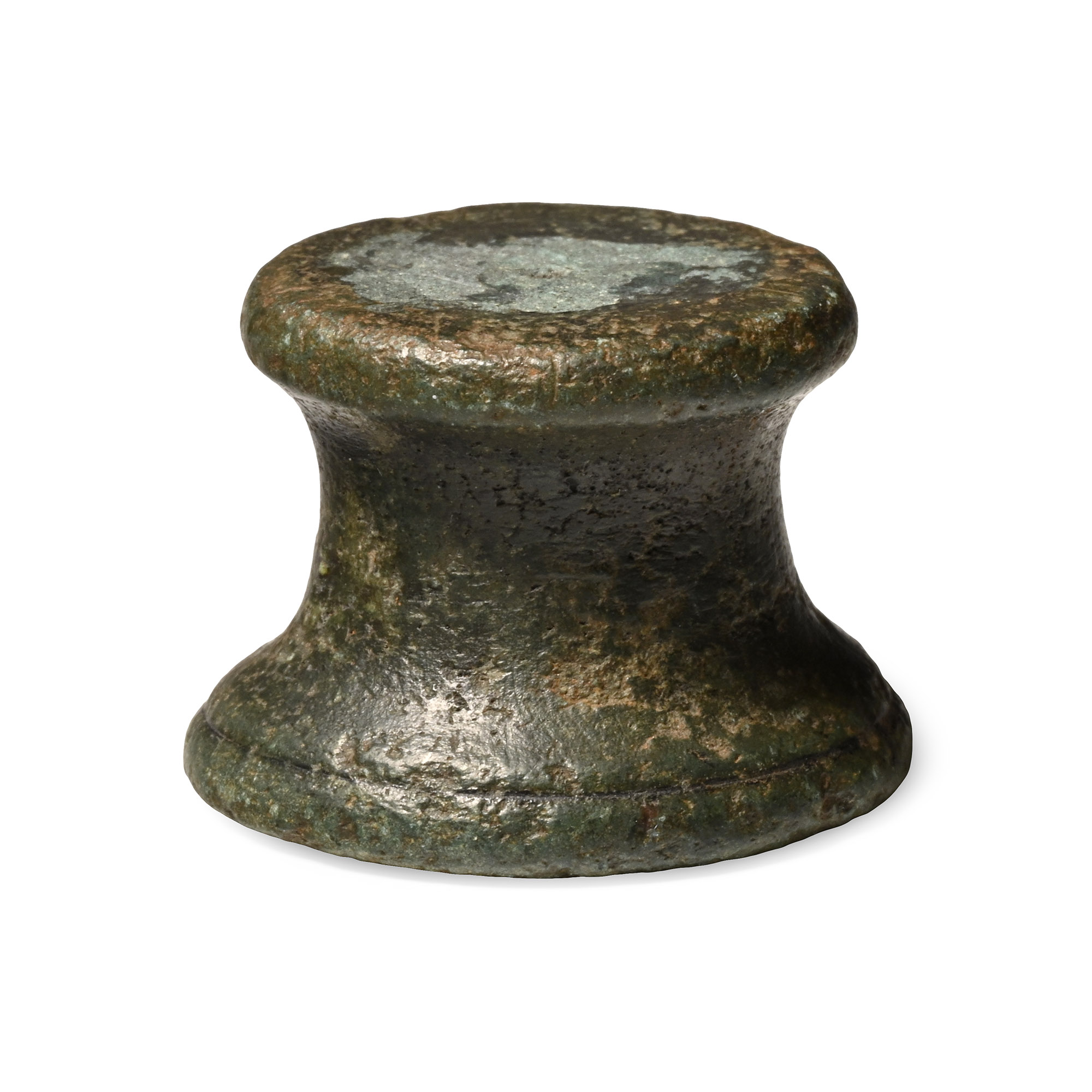
Roman Bronze Statuette Base
1ST-4TH CENTURY A.D.
1 in. (16 grams, 27 mm).
Round in plan, tapered in profile, hollow to the underside. [No Reserve]
ProvenanceEx Cambridgeshire, UK, gentleman's collection.
CONDITIONTimeLine Auctions follows a vetting process to ensure the authenticity and legality of all items, reinforcing our commitment to integrity and responsible trading. Each antiquity, antique, and coin lot undergoes thorough examination by a vetting committee of at least ten external specialists, professional trade association members, scientists, and archaeologists: Our Vetting Process
AUCTIONS:
TimeLine is a leading auction house specialising in antiquities, ancient art, collectables, natural history, coins, medals, and books. Our auctions offer museums, collectors, historians, and enthusiasts the opportunity to acquire unique and historically significant pieces.
-
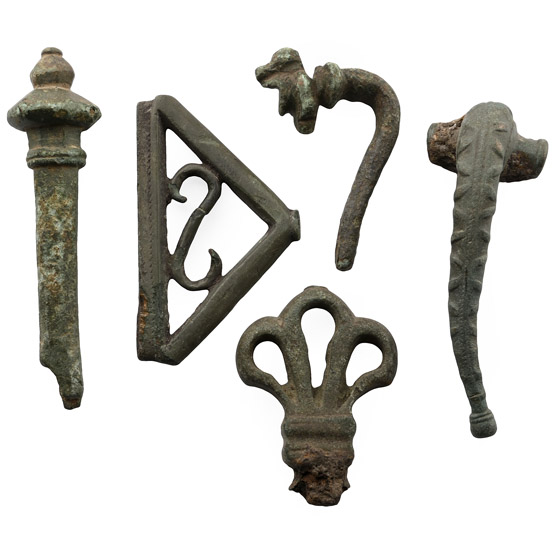
Roman Bronze Artefact Collection
1st-4th century A.D.Sold for (Inc. bp): £26
Including bow brooch, key handle and other items. 145 grams total, 41-75 mm
Found Norfolk, UK. -
.jpg)
Roman Bronze Head
2nd-4th century A.D.Estimate: £1,000 - 1,400 (‡+bp*)
Opening Bid: £500
Hollow-formed with long neck, abundant thick hair and beard, broad mouth; probably intended to represent an emperor. 440 grams, 10 cm
Acquired by a Swiss family in the mid-1980s to late 1990s, thence by descent. Private collection, Switzerland, since the late 1990s. -
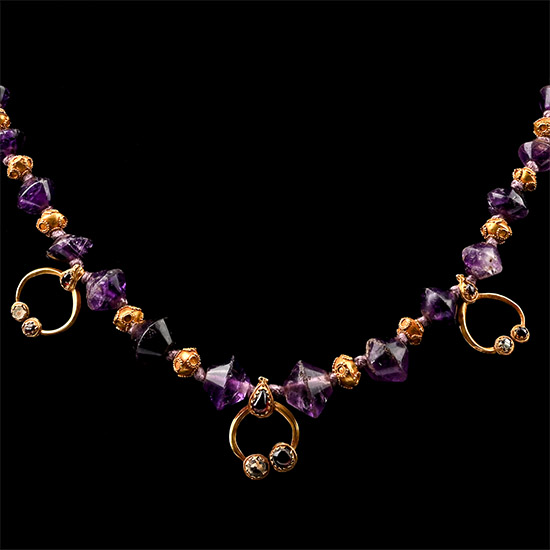
Roman Amethyst Necklace with Gold and Garnet Pendants
1st-3rd century A.D.Estimate: £4,000 - 6,000 (+bp*)
Opening Bid: £2,000
Restrung group of graduated biconical amethyst beads with gold interstitial beads with granulation detailing, three crescent pendants, each with a cabochon gemstone to each of the finials. 51 grams, 52 cm
Ambassador Carlo Perrone-Capano, former Italian Ambassador to Damascus, assembled largely during his tenure in Damascus in the 1960s; later resident near Grantham, where he spent his later life. This lot has been checked against the Interpol Database of stolen works of art and is accompanied by search certificate number no.13123-248087.
