
Loading, please wait...
LOT 0145
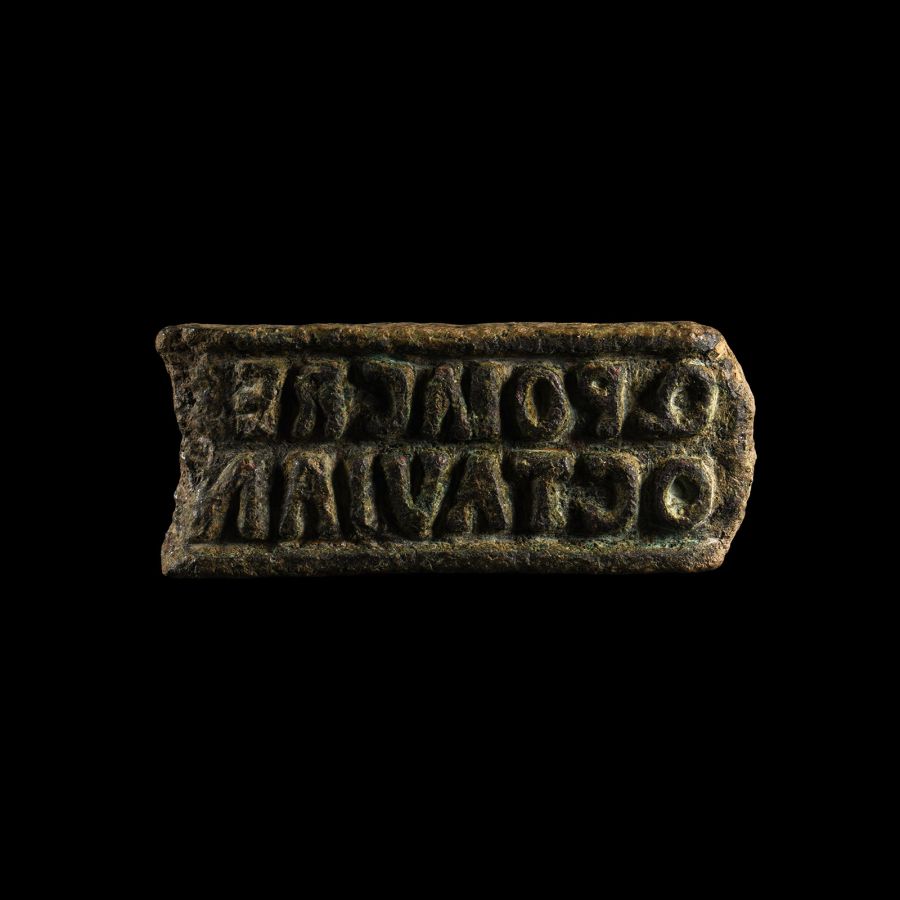
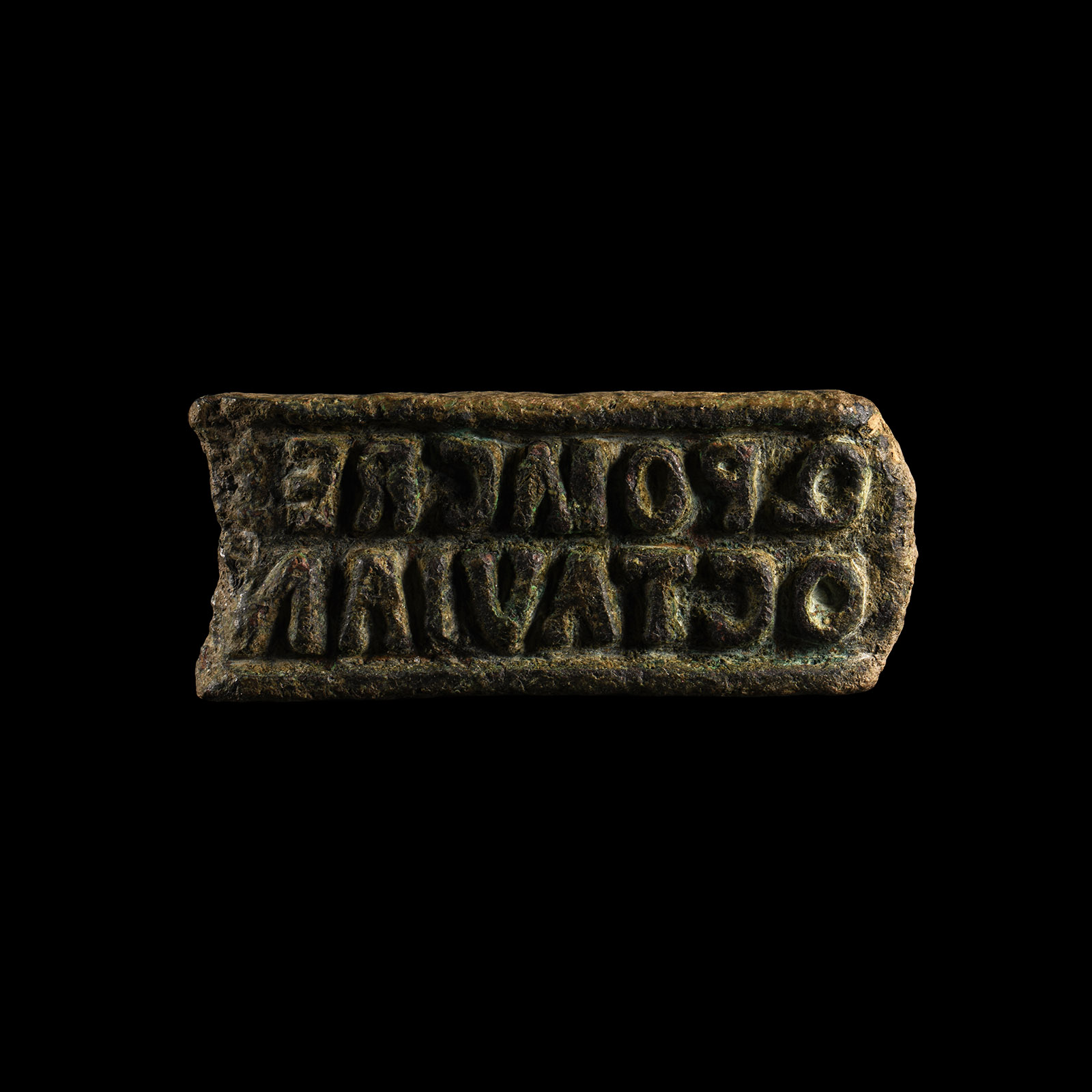
Roman Bronze Stamp for Octavian
CIRCA 1ST CENTURY A.D.
2 1/2 in. (92 grams, 64 mm).
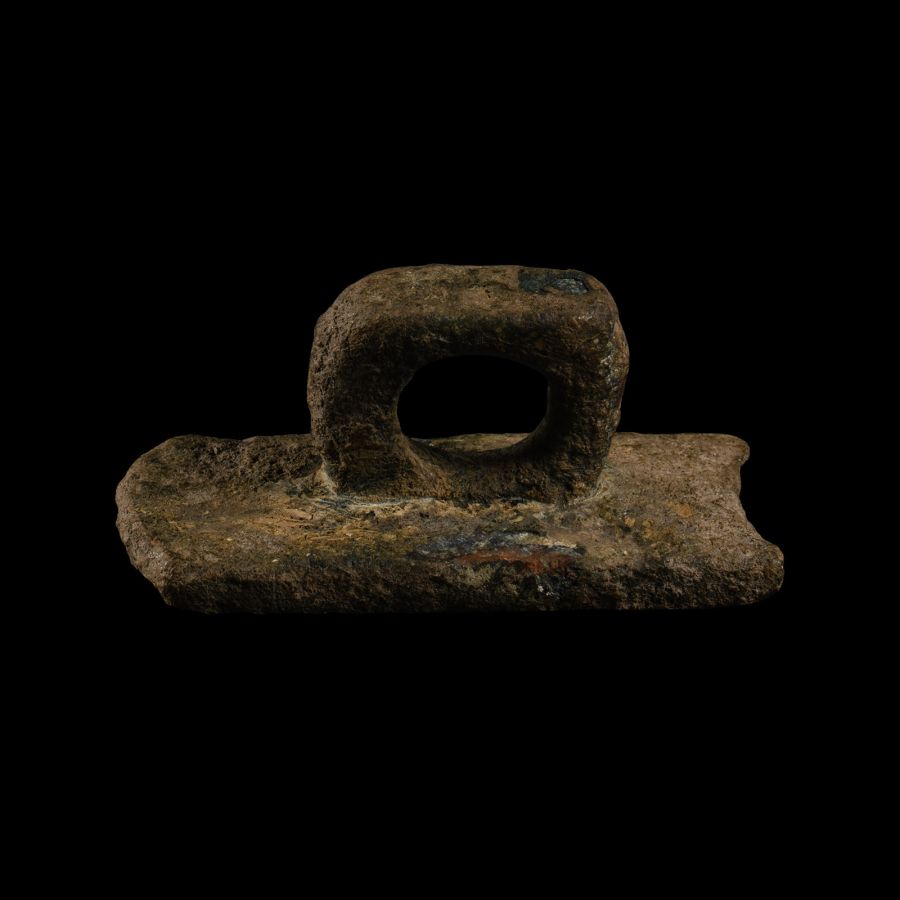
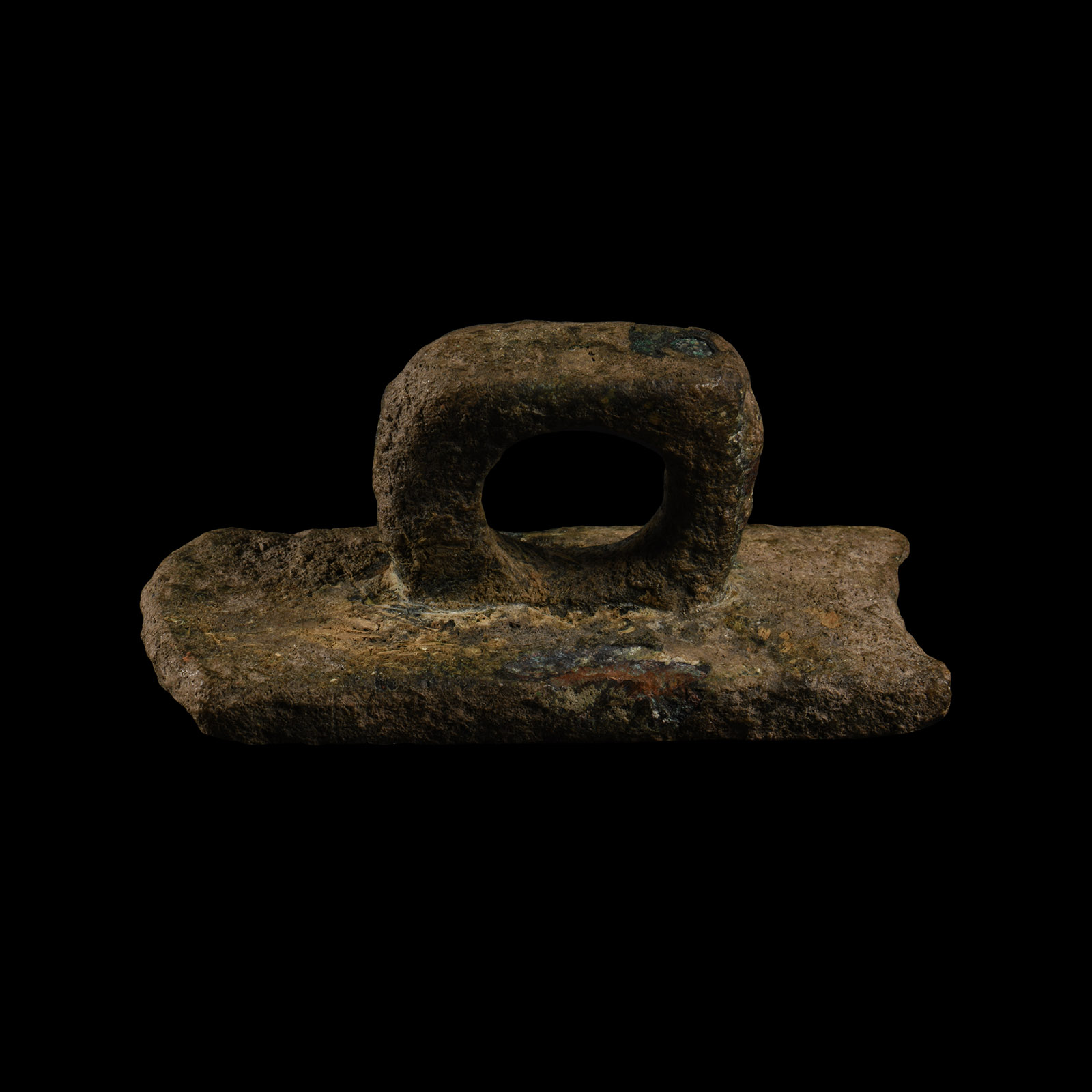
Formed as a tablet-shaped stamp (signaculum), with raised border above and below containing an inscription in Latin in reverse over two lines, reading: 'Q[UINTI] POM [PONII] CRE [SCONII} ? / OCTAVIAN[I]' possibly translating to: 'Of Quintus Pomponius Cresconius Octavianus', this latter being the owner; with a large loop to verso.
ProvenanceFrom an old private collection formed before 1985.
Accompanied by a copy of a previous dealer's certificate of authenticity including provenance.
Cf. Di Stefano Manzella, I., ’Signacula ex aere in officina: aggiornamenti e novitá di una ricerca multidisciplinare’ in Sylloge Epigraphica Barcinonensis x, 2012, pp. 229-246, fig.1, for similar.
FootnotesUsed to stamp documents and a broad range of different materials and food, signacula came into use in the Roman res publica during the 2nd century B.C., becoming both popular and widely used in many areas of everyday life during the Imperial period. These signacula were not exclusively used in the sphere of economy and property administration, but also in public and private sphere, determining the identity of their owners. The bronze stamp - also definable as a tessera, like the wooden one - was an instrumentum vicarium (auxiliary tool) of the annulus signatorius (seal ring), but compared to the annulus, it was much stronger and more practical, capable of leaving a better recognisable imprint. By analogy, the press note of a wooden or terracotta stamp also had an important certifying function, but the object that produced it only lasted a limited time, while the signaculum ex aere (bronze stamp) lasted a lifetime.
CONDITIONTimeLine Auctions follows a vetting process to ensure the authenticity and legality of all items, reinforcing our commitment to integrity and responsible trading. Each antiquity, antique, and coin lot undergoes thorough examination by a vetting committee of at least ten external specialists, professional trade association members, scientists, and archaeologists: Our Vetting Process
AUCTIONS:
TimeLine is a leading auction house specialising in antiquities, ancient art, collectables, natural history, coins, medals, and books. Our auctions offer museums, collectors, historians, and enthusiasts the opportunity to acquire unique and historically significant pieces.
-
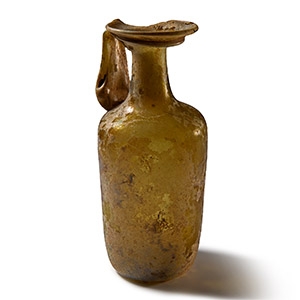
Large Roman Amber Glass Vessel
1st-4th century A.D.Sold for (Inc. bp): £358
Roughly barrel-shaped amber glass vessel with rounded shoulder and base, slender neck and broad upwards-flaring rim with applied trails to the underside, applied sub-rectangular handle; iridescent surfaces; rim chipped. 188 grams, 19 cm high
Acquired early 1990s. Ex private American collection; thence by descent. Private collection since 1998. -
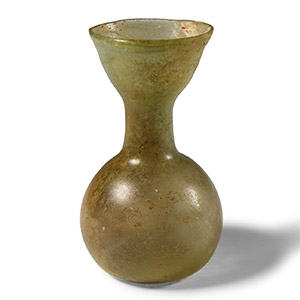
Roman Pale Green Glass Vessel
4th-5th century A.D.Sold for (Inc. bp): £117
In yellow-greenish translucent glass, globular body with flaring funnel neck, dimpled base. 26.8 grams, 87 mm high
Acquired 1980-2015. Ex Abelita family collection.
The type was popular in the late Roman period, especially in the east. Its characteristic trait is an oval body, convex base and a neck with a funnel-like upper part. -
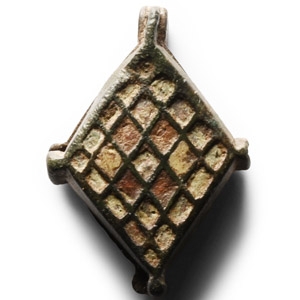
Romano-British Enamelled Bronze Seal Box
Circa 2nd century A.D.Sold for (Inc. bp): £78
Lozengiform two-part container with grid to the obverse, enamel fill to the cells. 7.22 grams, 31 mm
Found Southern England. Acquired on the UK art market in the 1980s. From an East Anglian private collection.
