
Loading, please wait...

LOT 0664
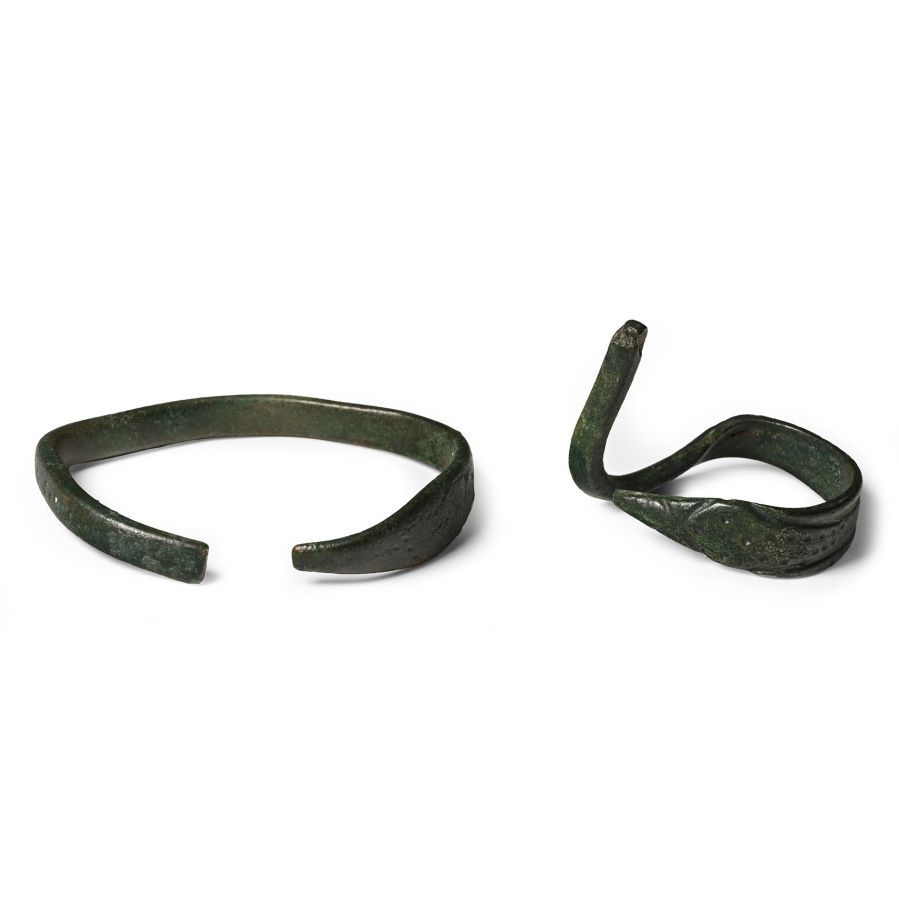
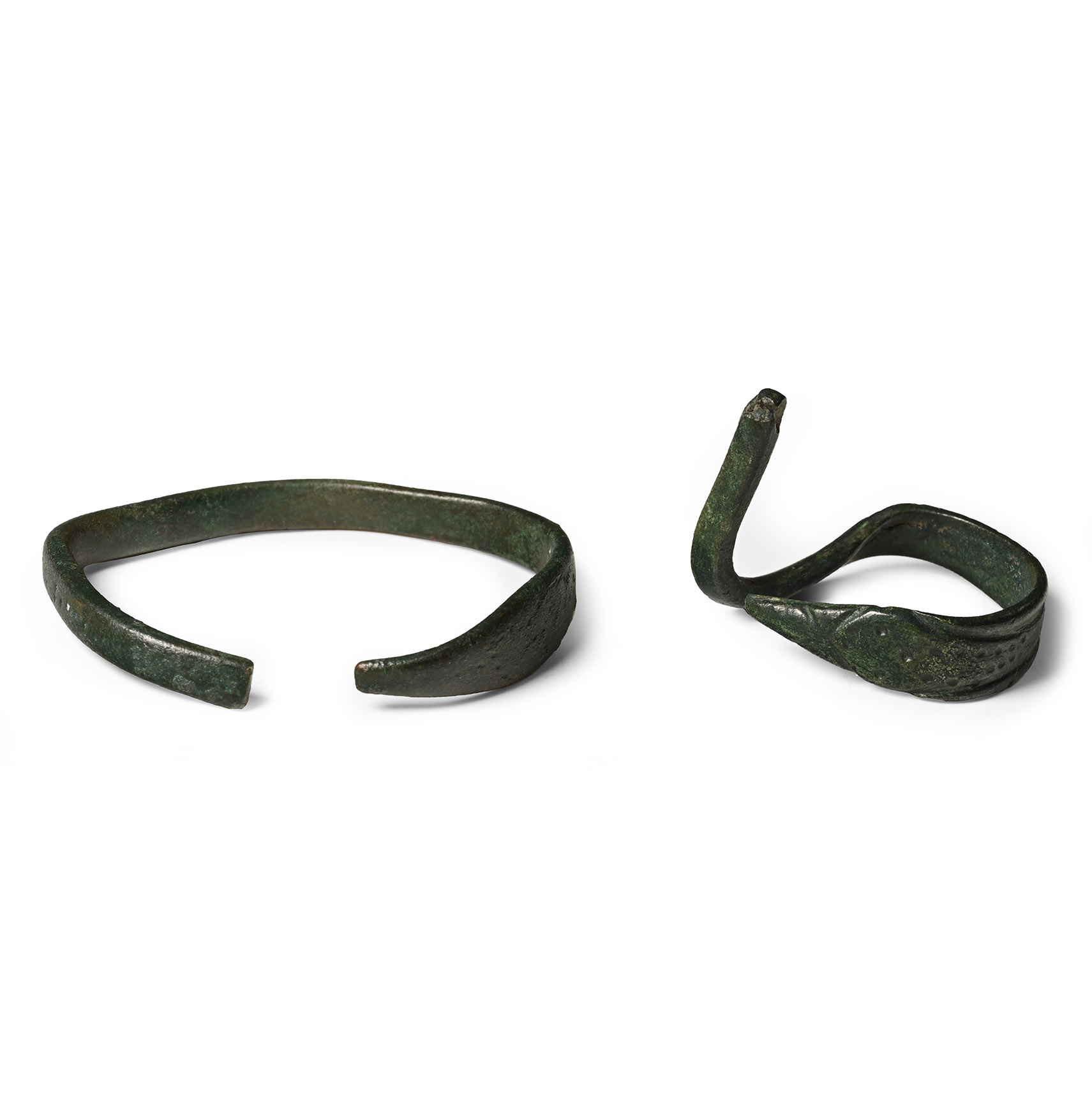
Roman Bronze Snake-Head Armilla Bracelet Group
1ST-4TH CENTURY A.D.
1 - 1 3/4 in. (14.8 grams total, 25-44 mm).
Flat in section with snake-head finial. [2, No Reserve]
ProvenanceAcquired on the European art market since the early 2000s.
From the private Northern Ireland collection of R.M.
TimeLine Auctions follows a vetting process to ensure the authenticity and legality of all items, reinforcing our commitment to integrity and responsible trading. Each antiquity, antique, and coin lot undergoes thorough examination by a vetting committee of at least ten external specialists, professional trade association members, scientists, and archaeologists: Our Vetting Process
AUCTIONS:
TimeLine is a leading auction house specialising in antiquities, ancient art, collectables, natural history, coins, medals, and books. Our auctions offer museums, collectors, historians, and enthusiasts the opportunity to acquire unique and historically significant pieces.
-
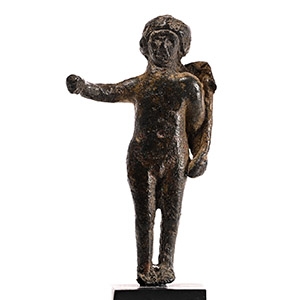
Roman Bronze Statuette of Mercury
3rd century A.D.Sold for (Inc. bp): £221
Standing erect with right hand extended sideways, left arm hanging at his side supporting a caduceus; mounted on a custom-made stand. 48 grams total, 89 mm including stand
From a collection acquired on the UK art market from various auction houses and collections mostly before 2000. From an important Cambridgeshire estate; thence by descent.
Although the statuette seems have been realised in a provincial Gallo-Roman workshop, as demonstrated by the inequality of the treatment of the anatomical dimensions, the movement of the body and head positioned to the right, derive from models of the Alexandrian type. -
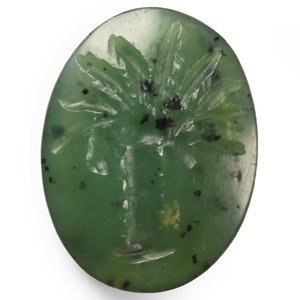
Roman Green Agate Gemstone Depicting a Palm Tree
1st-2nd century A.D.Estimate: £200 - 300 (+bp*)
Opening Bid: £80
Biconvex with intaglio palm-tree motif. 0.2 grams, 10 mm
From the private collection of Mr K.A., acquired in the 1990s-early 2000s. -
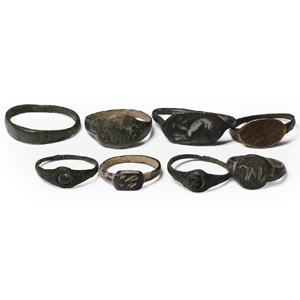
Roman and Later Bronze Ring Collection
2nd century B.C.-4th century A.D.Sold for (Inc. bp): £52
Including ellipsoid bezel with low-relief running hare, and other types. 9.62 grams total, 15-24 mm
UK private collection before 2000. Acquired on the UK art market. Property of a London gentleman.
