
Loading, please wait...
LOT 0625
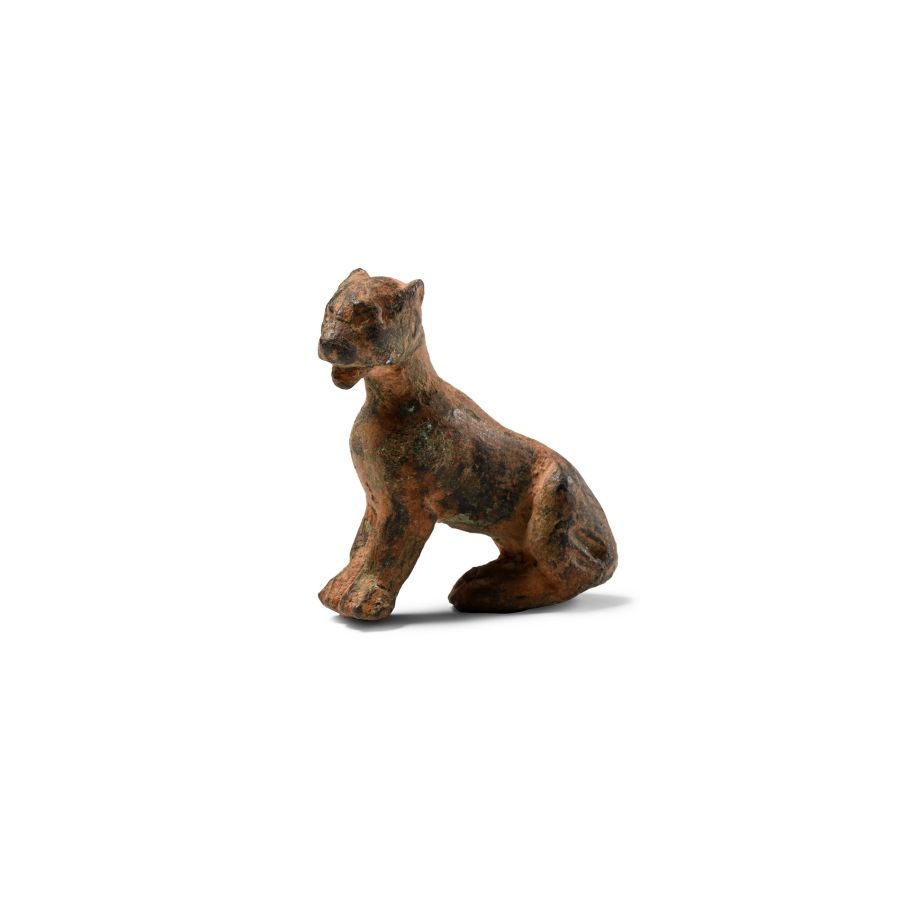
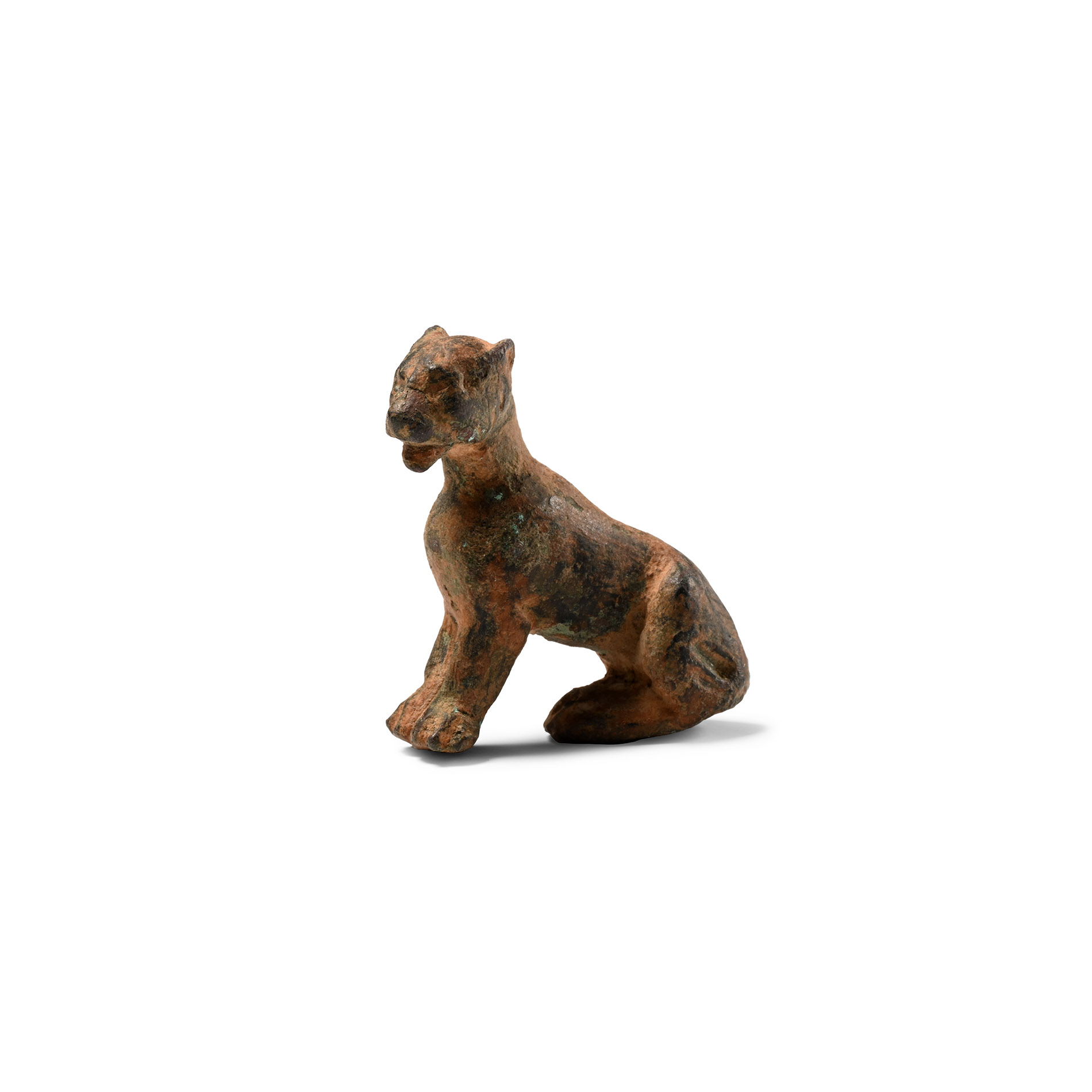
Roman Bronze Seated Panther Statuette
1ST-4TH CENTURY A.D.
1 1/2 in. (38.7 grams, 37 mm wide).
Modelled in the round with naturalistic detailing to the head and face, sitting with head turned slightly to the left.
Provenance‘The Ancient Menagerie Collection’ formerly the property of a Cambridgeshire lady, collected since the 1990s and acquired from auctions and dealers throughout Europe and the USA, now ex London collection.
CONDITIONTimeLine Auctions follows a vetting process to ensure the authenticity and legality of all items, reinforcing our commitment to integrity and responsible trading. Each antiquity, antique, and coin lot undergoes thorough examination by a vetting committee of at least ten external specialists, professional trade association members, scientists, and archaeologists: Our Vetting Process
AUCTIONS:
TimeLine is a leading auction house specialising in antiquities, ancient art, collectables, natural history, coins, medals, and books. Our auctions offer museums, collectors, historians, and enthusiasts the opportunity to acquire unique and historically significant pieces.
-
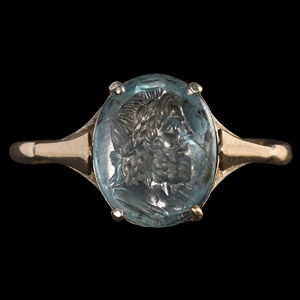
Roman Aquamarine Gem with Head of Serapis in Gold Ring
1st century A.D.Sold for (Inc. bp): £3,120
The intaglio bearing the bearded head of the god Serapis; gold ring with slender hoop and openwork tripartite shoulders, held in an oval claw setting; stamped '9ct' to the interior. 2.98 grams, 26.40 mm overall, 20.24 mm internal diameter (approximate size British V, USA 10 1/2, Europe 23.77, Japan 22)
Early 20th century collection based on the ring. Acquired on the London art market. Property of a North London antiquary. This lot has been checked against the Interpol Database of stolen works of art and is accompanied by search certificate number no.11861-206034. -
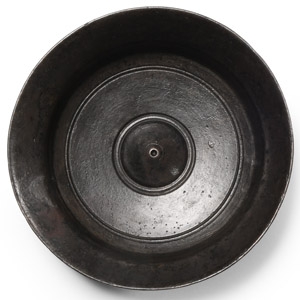
Roman Bronze Bowl with Concentric Circles
1st-3rd century A.D.Sold for (Inc. bp): £286
With flat base and central boss, flared rim, incised rings to the inner face. 142 grams, 83 mm
Acquired 1980-2015. Ex Abelita family collection. -
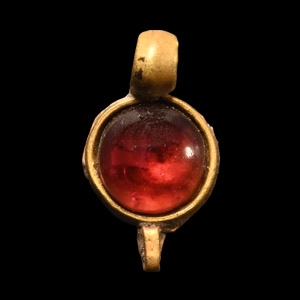
Roman Gold and Garnet Pendant
1st-4th century A.D.Sold for (Inc. bp): £260
The gold circular setting inlaid with a polished garnet cabochon, suspension loop above and decorative knop below. 0.18 grams, 8 mm
From a late Japanese specialist collector, 1970-2000s.
