
Loading, please wait...
LOT 0606
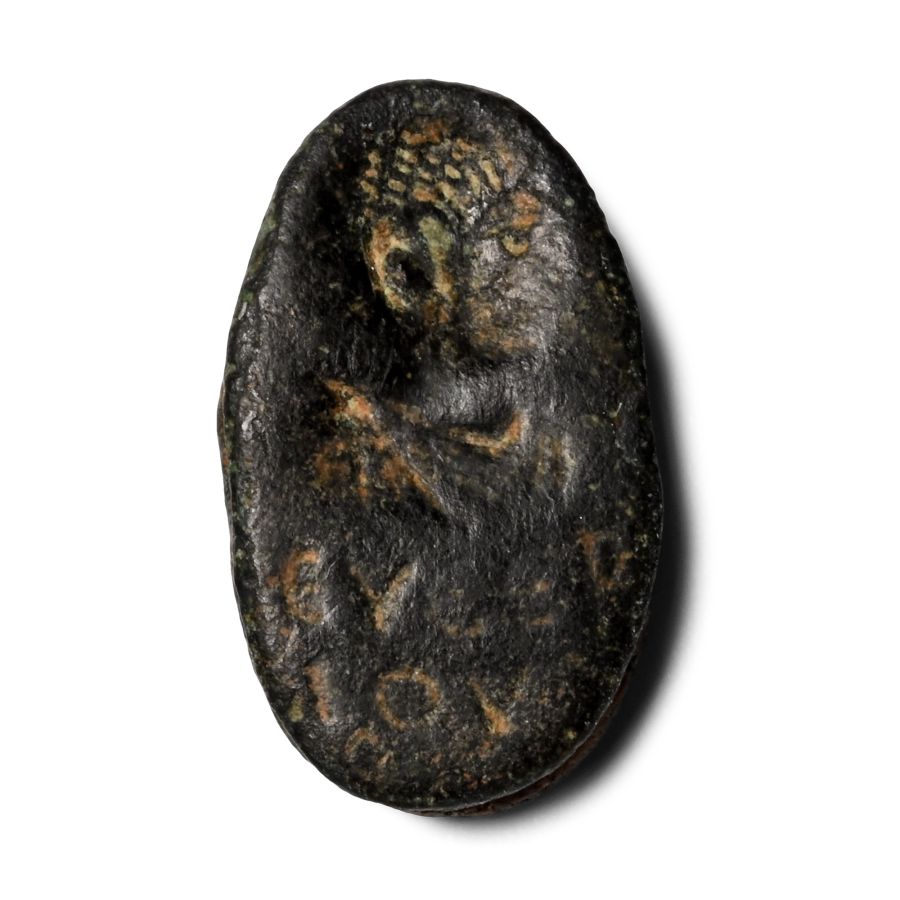
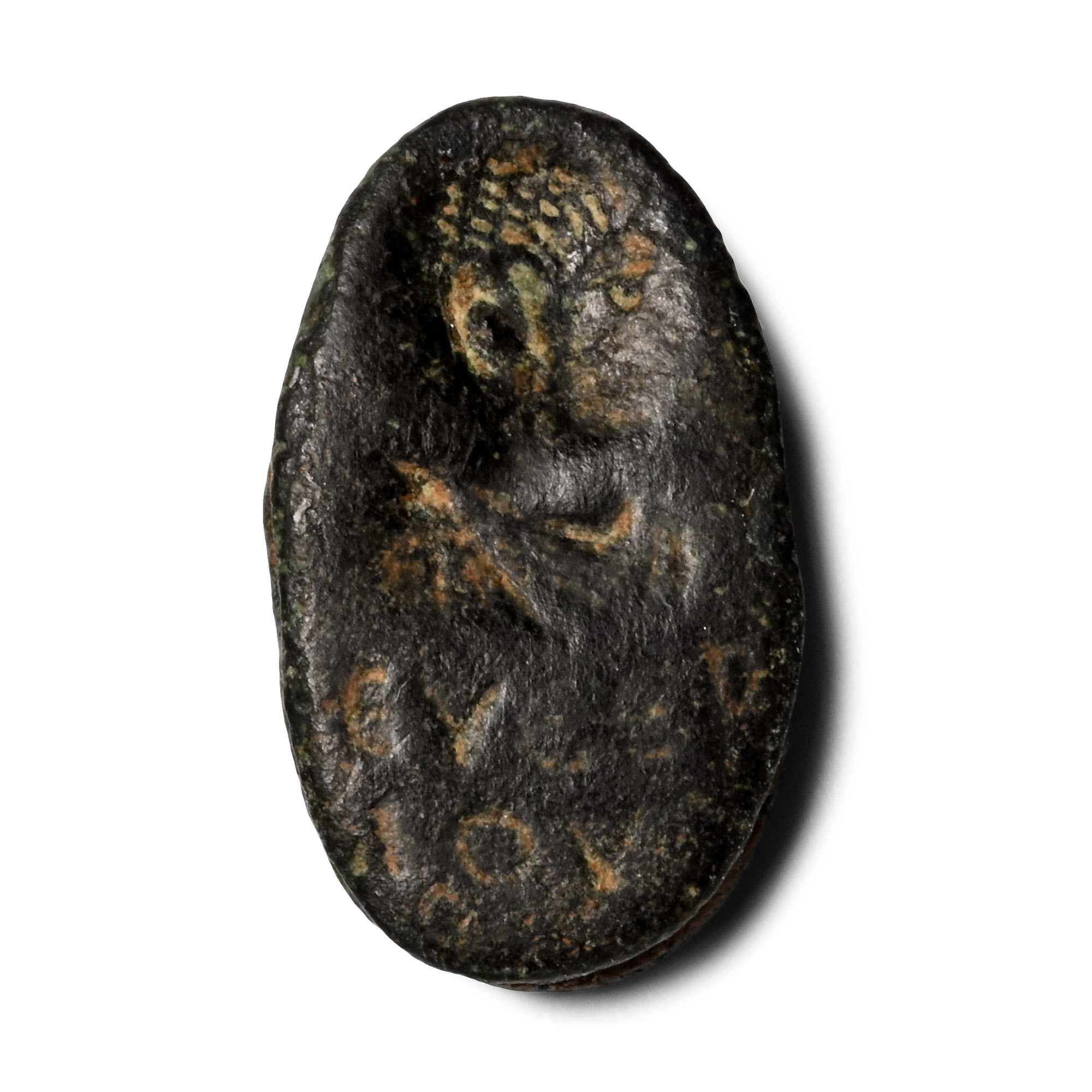
Roman Bronze Seal with Busts and Greek Legends
3RD-4TH CENTURY A.D.
1/2 in. (1.64 grams, 13 mm).
Ellipsoid in plan with a bust and a Greek legend on each face.
ProvenanceEx London, UK, gentleman's collection by descent, 1980s.
CONDITIONTimeLine Auctions follows a vetting process to ensure the authenticity and legality of all items, reinforcing our commitment to integrity and responsible trading. Each antiquity, antique, and coin lot undergoes thorough examination by a vetting committee of at least ten external specialists, professional trade association members, scientists, and archaeologists: Our Vetting Process
AUCTIONS:
TimeLine is a leading auction house specialising in antiquities, ancient art, collectables, natural history, coins, medals, and books. Our auctions offer museums, collectors, historians, and enthusiasts the opportunity to acquire unique and historically significant pieces.
LOT 0606
Roman Bronze Seal with Busts and Greek Legends
Estimate £150 - 200€170 - 230 (for guidance only)$200 - 270 (for guidance only)
-
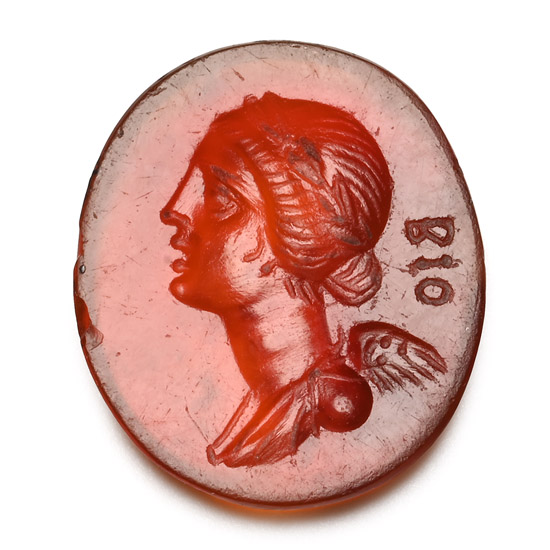
Roman Carnelian Gemstone with Portrait of Goddess Ebe
2nd-3rd century A.D.Sold for (Inc. bp): £1,690
With intaglio profile female bust with wing to the shoulder and legend 'BIO' below (perhaps for bios 'life'); supplied with a museum-quality impression. 0.54 grams, 13.66 mm
From the private collection of a European gentleman (1942-2024), formed since the 1970s. -
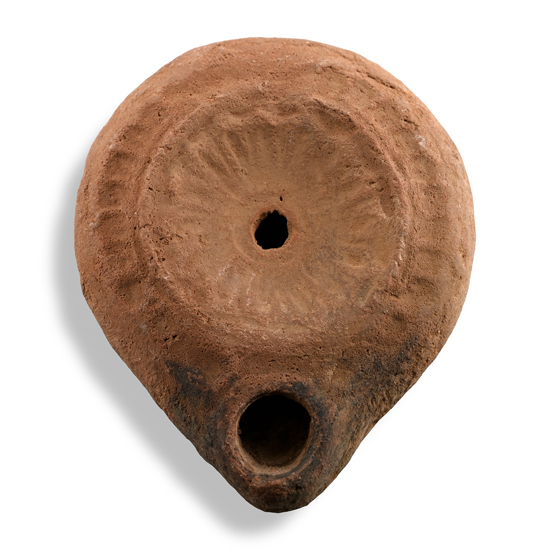
Roman Terracotta Oil Lamp
2nd century A.D.Sold for (Inc. bp): £52
Discoid in plan with stub nozzle, rosette to the discus and radiating bars to the shoulder, incised circle to the underside. 83 grams, 81 mm
From a collection of lamps from a late Scottish gentleman, 1970-1990s. -
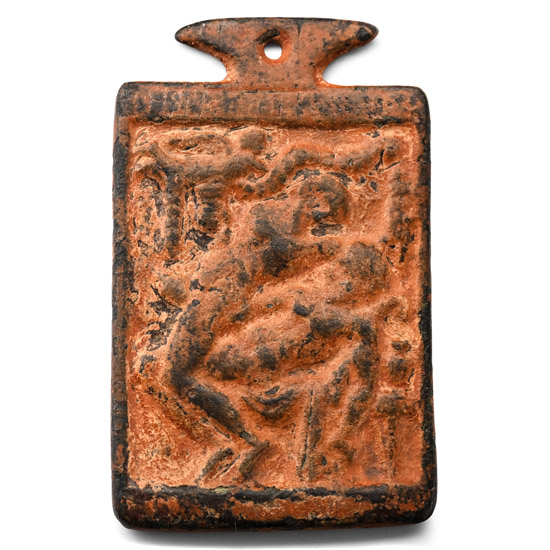
Roman Bronze Erotic Plaque
Circa 3rd century A.D.Estimate: £200 - 300 (+bp*)
Opening Bid: £100
Rectangular plaque with pierced trapezoidal lug to the upper edge; central panel with reserved orgiastic scene. 26.7 grams, 51 mm
From the collection of a gentleman, acquired on the London art market in the 1990s.
