
Loading, please wait...
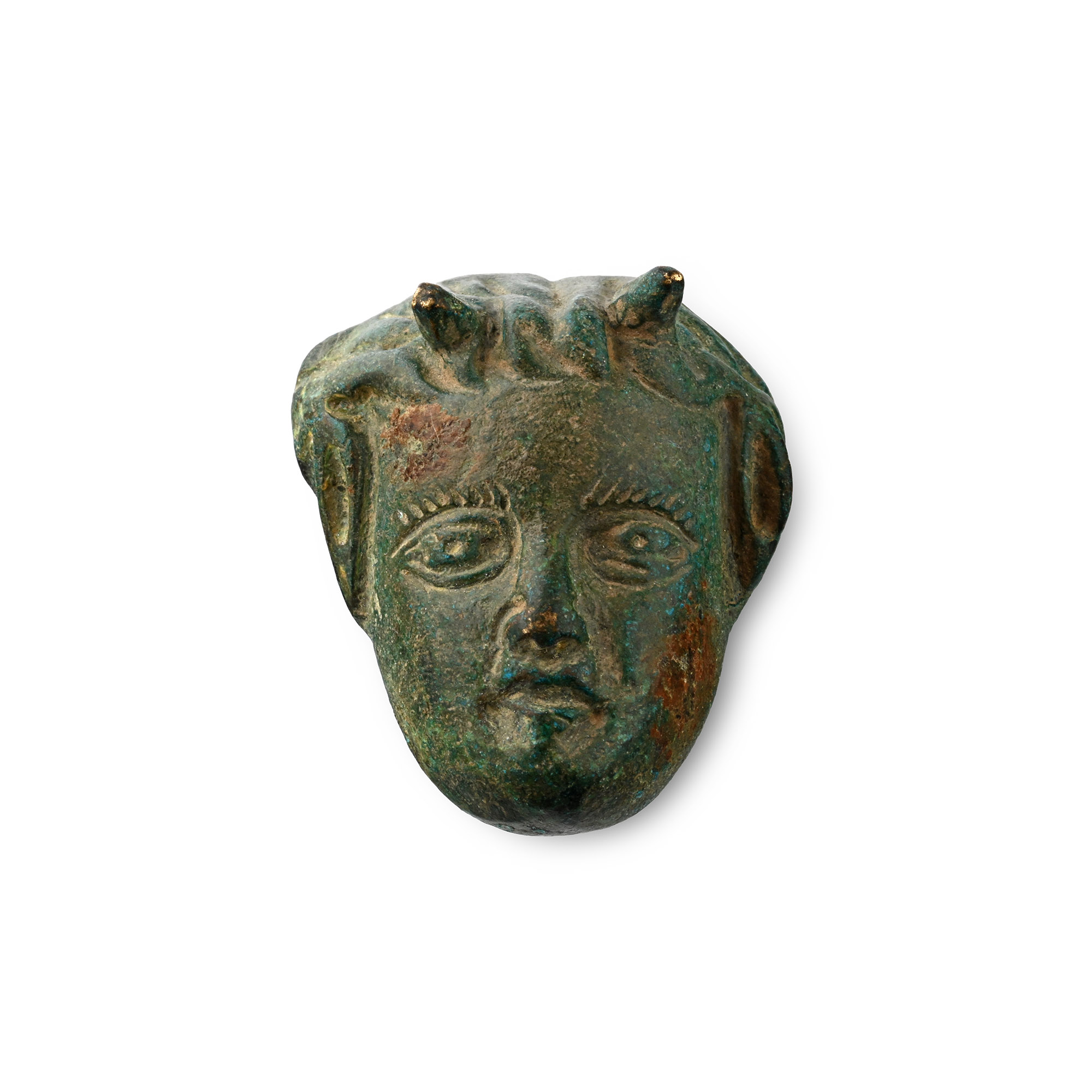
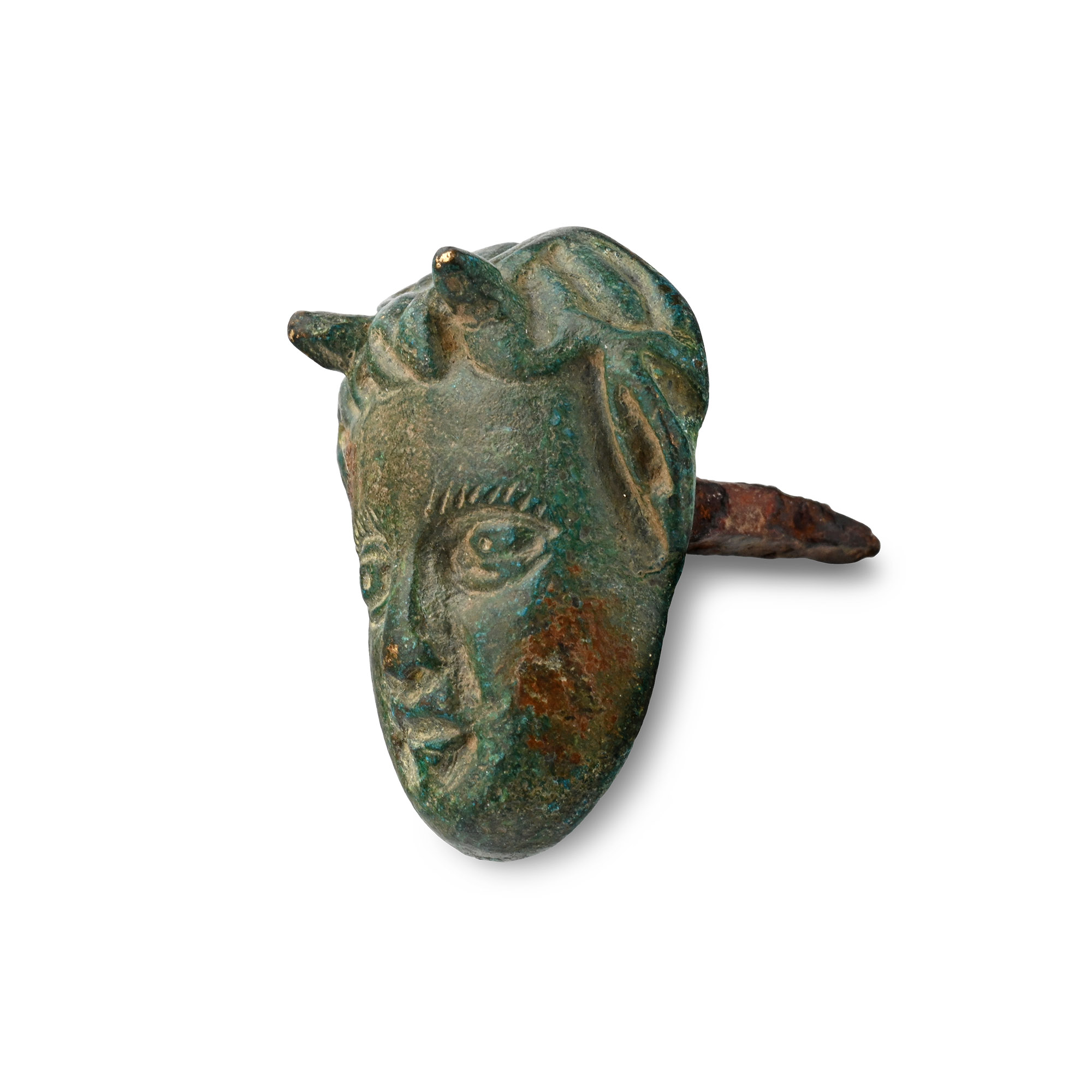
LOT 0894
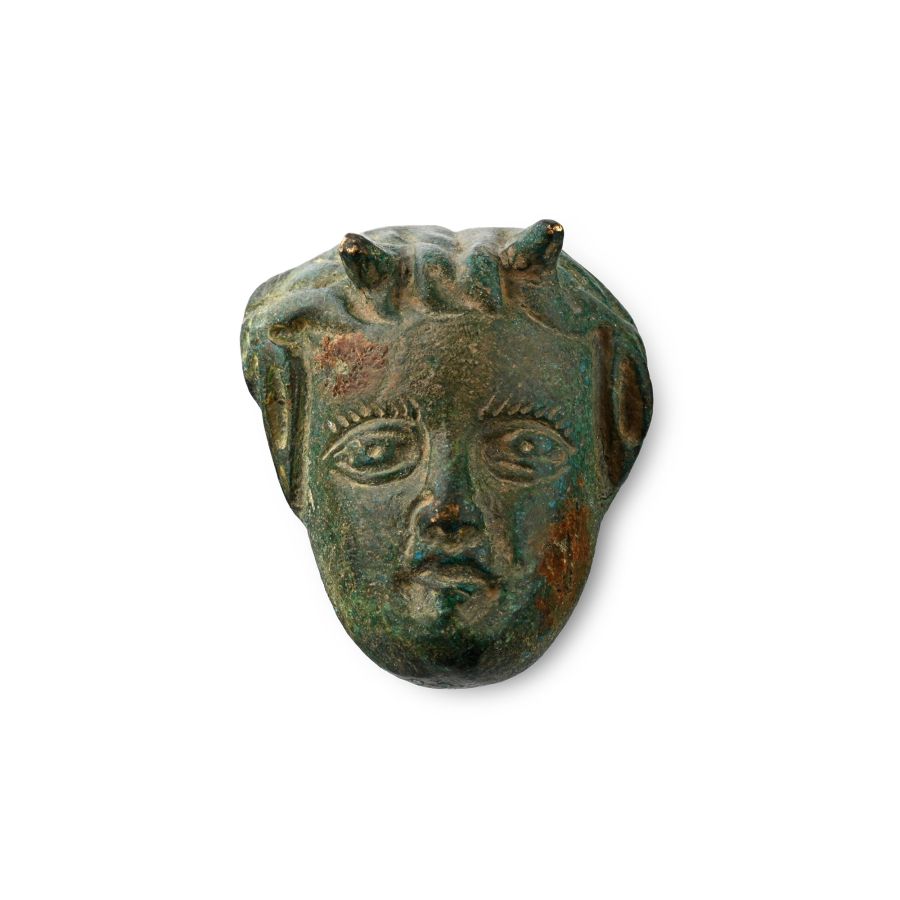
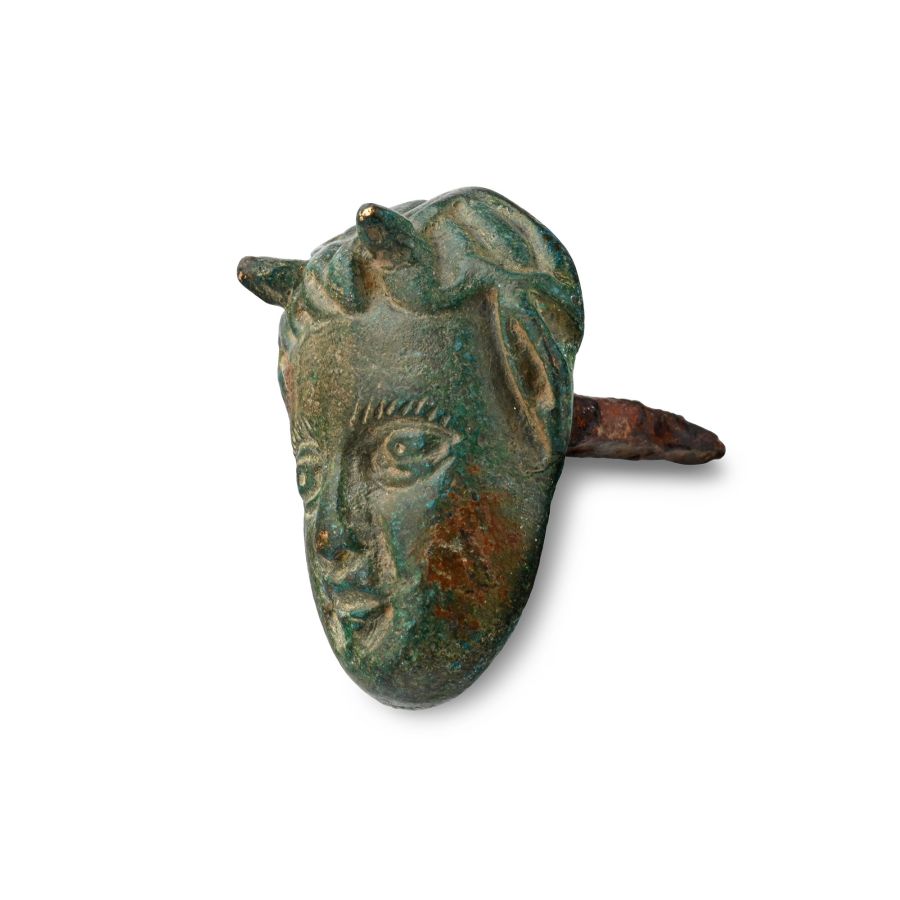
Roman Bronze Satyr Mount
1ST-4TH CENTURY A.D.
1 5/8 in. (46 grams, 40 mm).
Modelled in the half-round with large eyes and defined eyebrows, short projecting horns on the forehead, ferrous spike on the reverse.
ProvenanceEx German art market, 2000s.
Acquired from an EU collector living in London.
From the collection of a Surrey, UK, gentleman.
This lot is accompanied by an illustrated lot declaration signed by the Head of the Antiquities Department, Dr Raffaele D'Amato.
TimeLine Auctions follows a vetting process to ensure the authenticity and legality of all items, reinforcing our commitment to integrity and responsible trading. Each antiquity, antique, and coin lot undergoes thorough examination by a vetting committee of at least ten external specialists, professional trade association members, scientists, and archaeologists: Our Vetting Process
AUCTIONS:
TimeLine is a leading auction house specialising in antiquities, ancient art, collectables, natural history, coins, medals, and books. Our auctions offer museums, collectors, historians, and enthusiasts the opportunity to acquire unique and historically significant pieces.
-
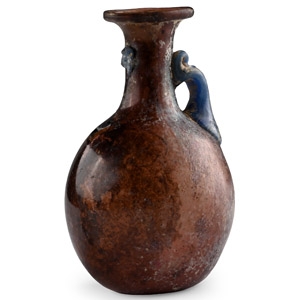
Roman Aubergine Glass Bottle
3rd century A.D.Sold for (Inc. bp): £156
With slightly flattened base and spherical body, tubular neck with flared and rolled rim, one handle absent. 22.77 grams, 77 mm
Ex property of a London collector; acquired 1960s. Property of a North London, UK, lady. This lot is accompanied by an illustrated lot declaration signed by the Head of the Antiquities Department, Dr Raffaele D'Amato. -
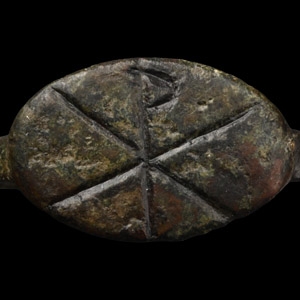
Late Roman Bronze Ring with Chi Rho
4th-6th century A.D.Sold for (Inc. bp): £260
Narrow hoop supporting an ellipsoid bezel, incised Christogram. 2.43 grams, 20.72 mm overall, 17.62 mm internal diameter (approximate size British N 1/2, USA 6 3/4, Europe 14.35, Japan 13)
Ex German art market, 2000s. Acquired from an EU collector living in London. From the collection of a Surrey, UK, gentleman. This lot is accompanied by an illustrated lot declaration signed by the Head of the Antiquities Department, Dr Raffaele D'Amato. -
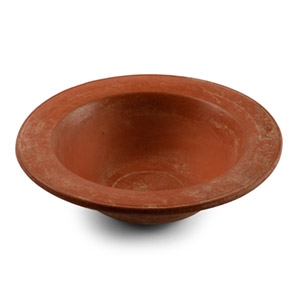
Roman Redware Deep Bowl with Wide Rim
3rd-4th century A.D.Sold for (Inc. bp): £65
Broad rim and deep central bowl with basal ring. 144 grams, 14.5 cm
From the private collection of a Canadian gentleman living in Essex, UK, formed since the 1920s-circa 1990. Property of an Essex lady until the late 1990s; thence by descent. From the private collection of an Essex gentleman since the late 1990s. This lot is accompanied by an illustrated lot declaration signed by the Head of the Antiquities Department, Dr Raffaele D'Amato.
