
Loading, please wait...
LOT 0808
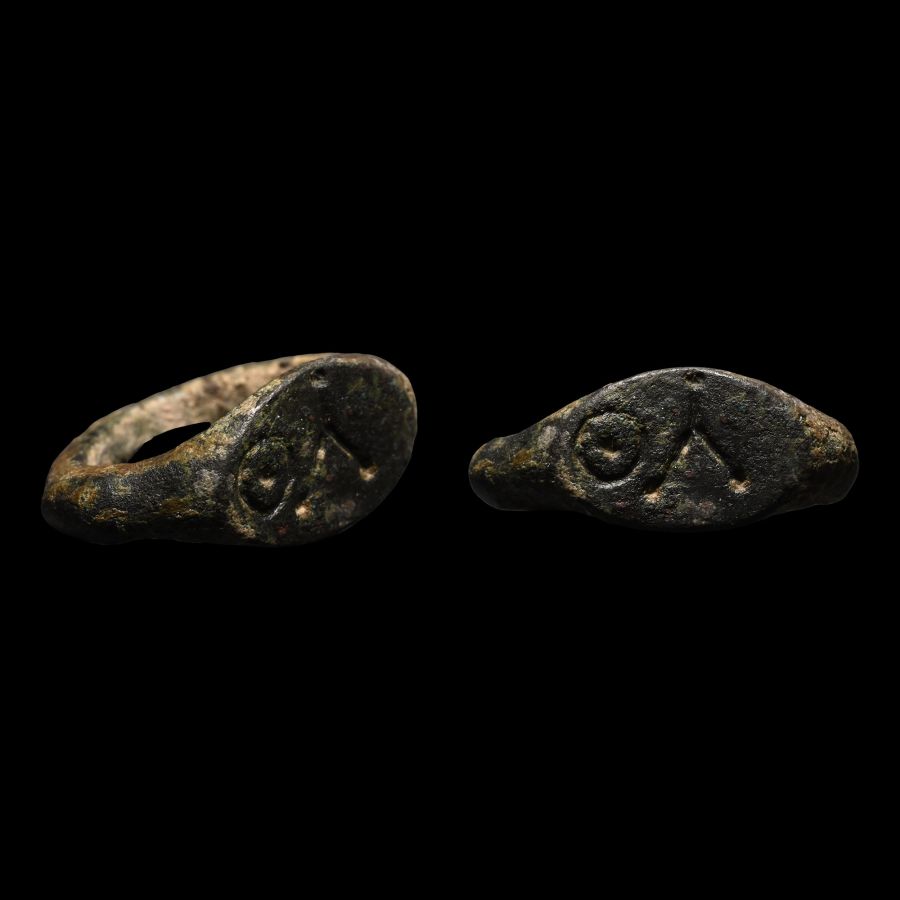
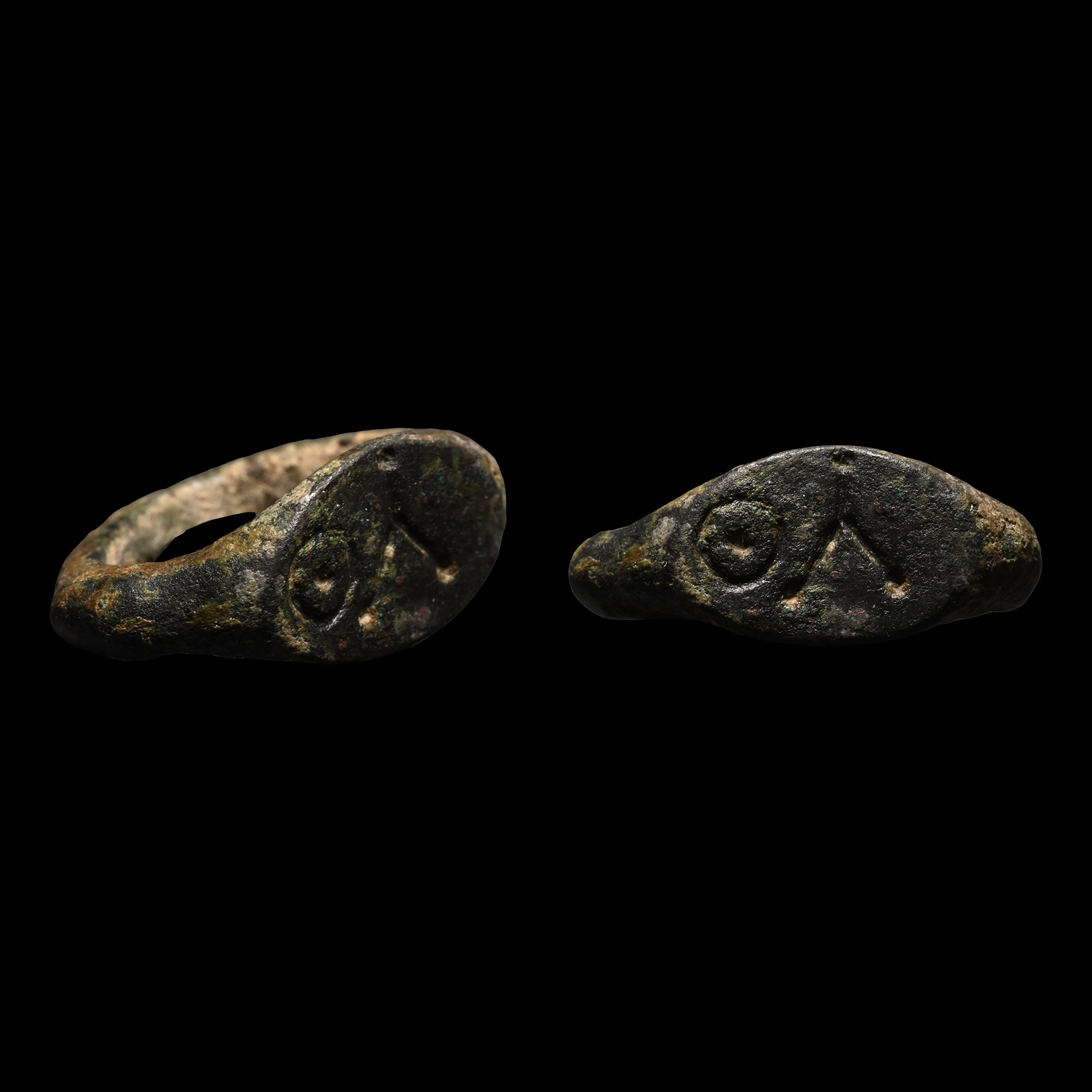
Roman Bronze Ring with Symbols
1ST-4TH CENTURY A.D.
1 in. (6.50 grams, 25.40 mm overall, 13.24 x 17.31 mm internal diameter (approximate size British F 1/2, USA 3, Europe 4.30, Japan 4)).
Featuring a sturdy D-section hoop and an oval bezel with a letter 'Y' flanked by 'O' with a pellet at the centre. [No Reserve]
ProvenanceFrom the private collection of a European gentleman (1942-2024), formed since the 1970s.
CONDITIONTimeLine Auctions follows a vetting process to ensure the authenticity and legality of all items, reinforcing our commitment to integrity and responsible trading. Each antiquity, antique, and coin lot undergoes thorough examination by a vetting committee of at least ten external specialists, professional trade association members, scientists, and archaeologists: Our Vetting Process
AUCTIONS:
TimeLine is a leading auction house specialising in antiquities, ancient art, collectables, natural history, coins, medals, and books. Our auctions offer museums, collectors, historians, and enthusiasts the opportunity to acquire unique and historically significant pieces.
-
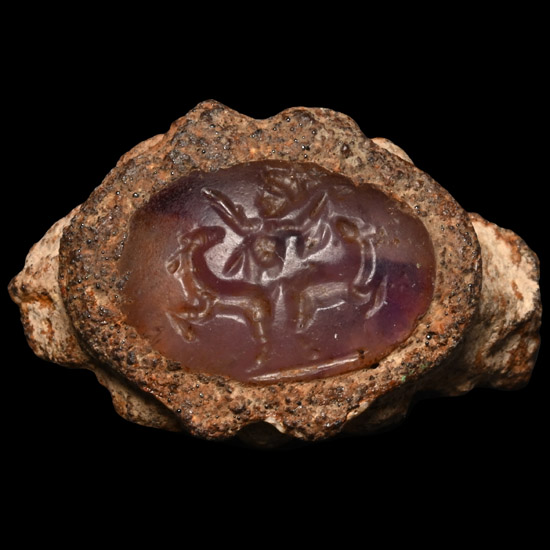
Roman Iron Ring Bezel with Master of Beasts Gemstone
3rd century A.D.Sold for (Inc. bp): £338
Bezel and fragment of the hoop, inset with an amethyst cabochon; intaglio with two addorsed prancing horses, figure above with raised arms. 2.67 grams, 21 mm
From the collection of a gentleman, acquired on the London art market in the 1990s. -
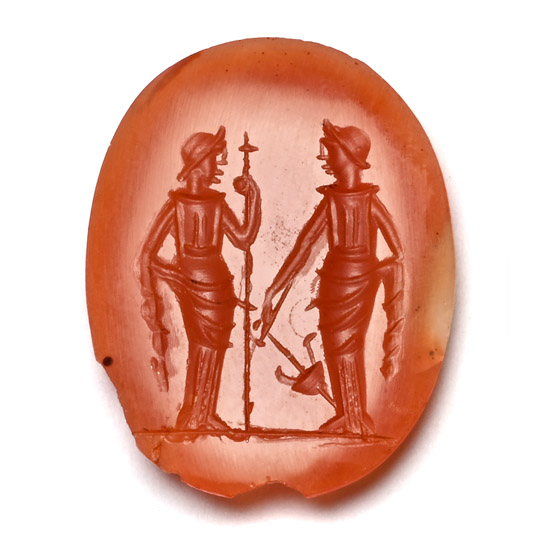
Roman Carnelian Gemstone with Goddesses
2nd-3rd century A.D.Sold for (Inc. bp): £182
Intaglio scene with two standing female figures, Minerva with helmet and spear beside Abundantia with an amphora; supplied with a museum-quality impression. 2.48 grams, 22.32 mm
From the private collection of a European gentleman (1942-2024), formed since the 1970s. -
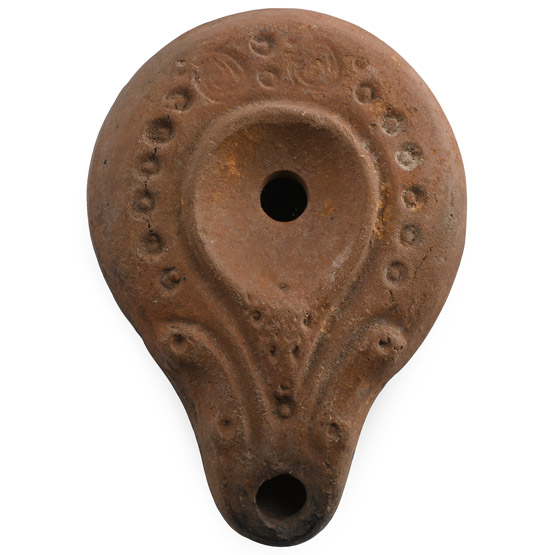
Roman Terracotta Slipper Oil Lamp
Circa 4th-5th century A.D.Sold for (Inc. bp): £130
Piriform in plan with volute nozzle, band of impressed pellets to the shoulder. 40 grams, 79 mm
Acquired at a London antiques fair in the 1990s. From the private collection of a Devon, UK, lady.
Some lamps, with or without a central handle, with one or more nozzles, either opposed or contiguous, could be of Corinthian production, representing a fine example of remarkable quality and finesse. On the other hand, some examples can be considered a local/regional production in the Eastern Roman Empire.
