
Loading, please wait...


LOT 0897
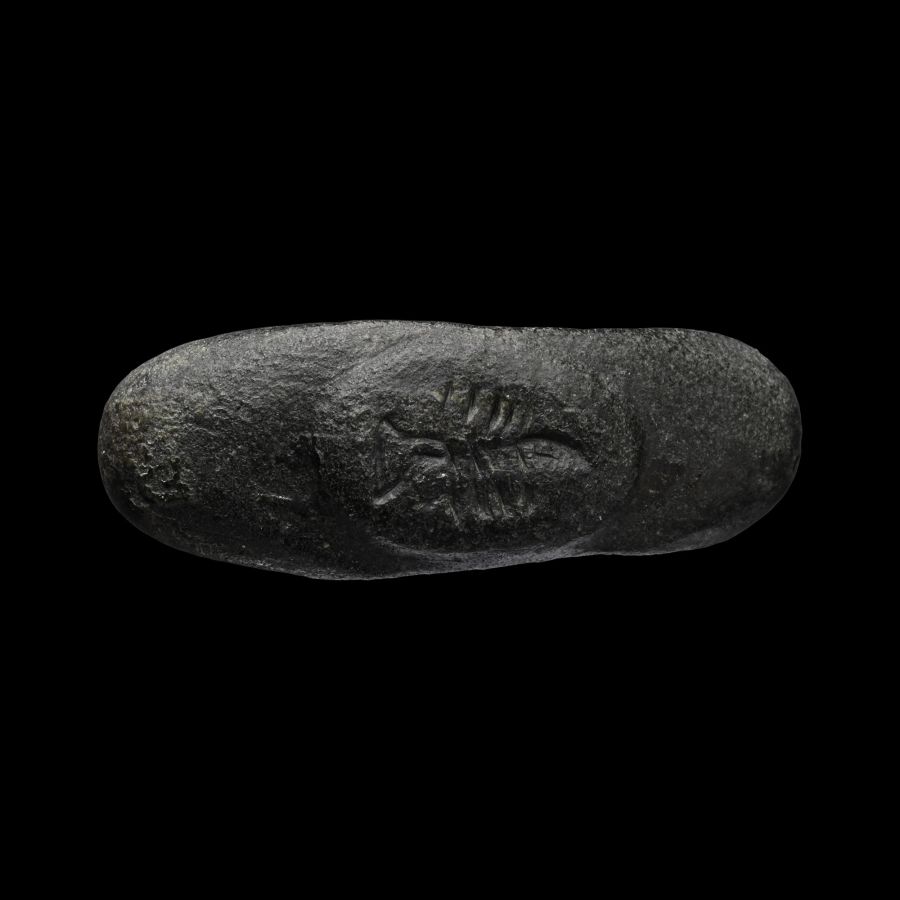
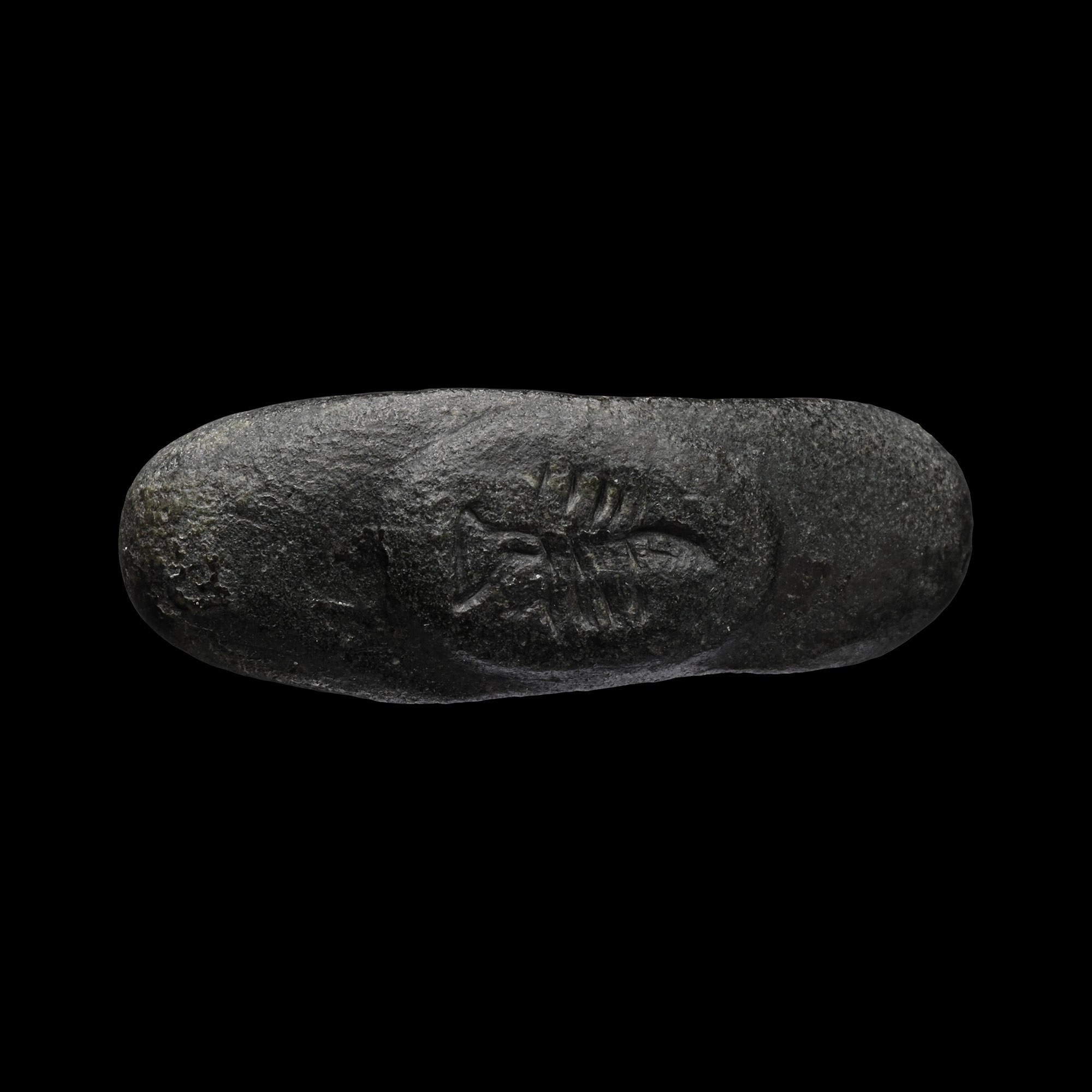
Roman Bronze Ring with Scorpion
CIRCA 3RD CENTURY A.D.
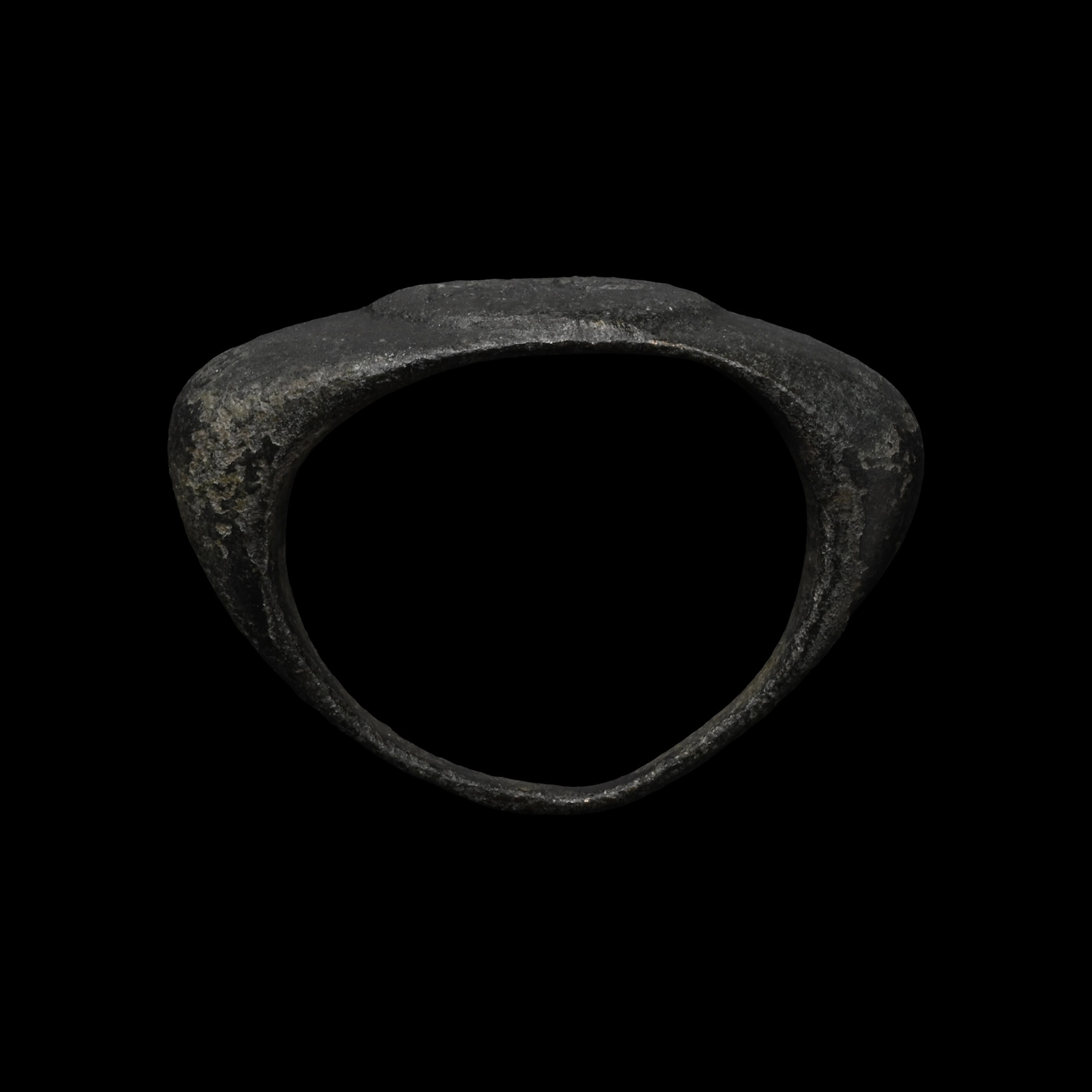
1 in. (5.61 grams, 25.16 mm overall, 17.29 x 14.40 mm internal diameter (approximate size British I 1/2, USA 4 1/2, Europe 8.07, Japan 7)).
With angled shoulders supporting an ellipsoid bezel with incised scorpion. [No Reserve]
ProvenanceEx German art market, 2000s.
Acquired from an EU collector living in London.
From the collection of a Surrey, UK, gentleman.
TimeLine Auctions follows a vetting process to ensure the authenticity and legality of all items, reinforcing our commitment to integrity and responsible trading. Each antiquity, antique, and coin lot undergoes thorough examination by a vetting committee of at least ten external specialists, professional trade association members, scientists, and archaeologists: Our Vetting Process
AUCTIONS:
TimeLine is a leading auction house specialising in antiquities, ancient art, collectables, natural history, coins, medals, and books. Our auctions offer museums, collectors, historians, and enthusiasts the opportunity to acquire unique and historically significant pieces.
LOT 0897
Roman Bronze Ring with Scorpion
Estimate £40 - 60€46 - 70 (for guidance only)$54 - 81 (for guidance only)
Opening Bid
£5 (EUR 6; USD 7) +BP*
-
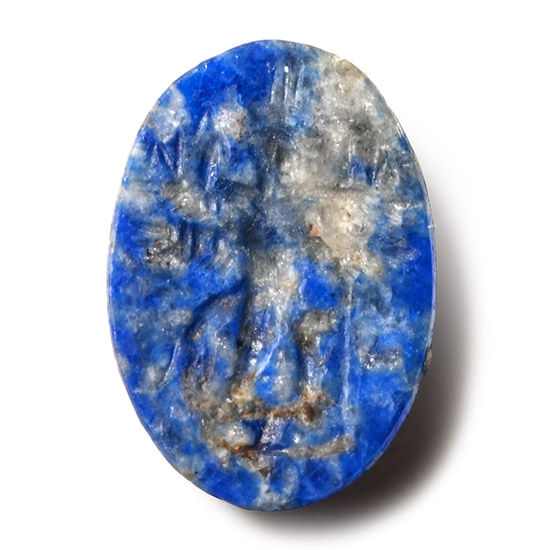
Roman Gnostic Lapis Lazuli Gemstone with Four-Winged Abraxas
Circa 4th century A.D.Estimate: £300 - 400 (+bp*)
Opening Bid: £5
Ellipsoid type with intaglio anguiped with four lateral splayed wings; supplied with a museum-quality impression. 0.21 grams, 9 mm
From the private collection of a European gentleman (1942-2024), formed since the 1970s. -
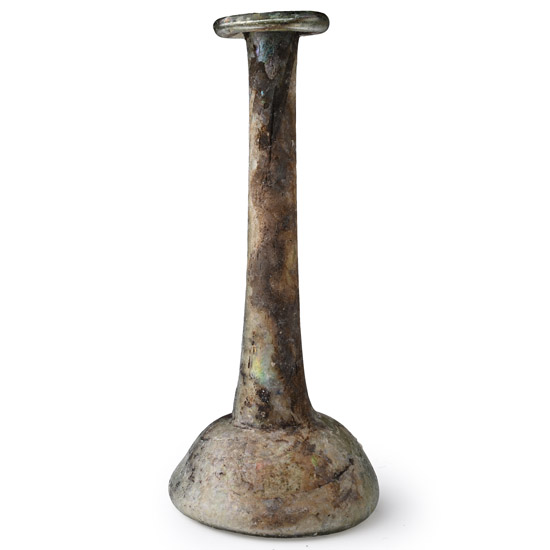
Roman Iridescent Glass Vessel
Circa 1st-3rd century A.D.Estimate: £100 - 140 (+bp*)
Opening Bid: £50
Bell-shaped, squat body and concave base, a long tubular neck and a rolled rim. 39 grams, 12.6 cm
Roman glass from an important London collection, acquired from the early 1980s. -
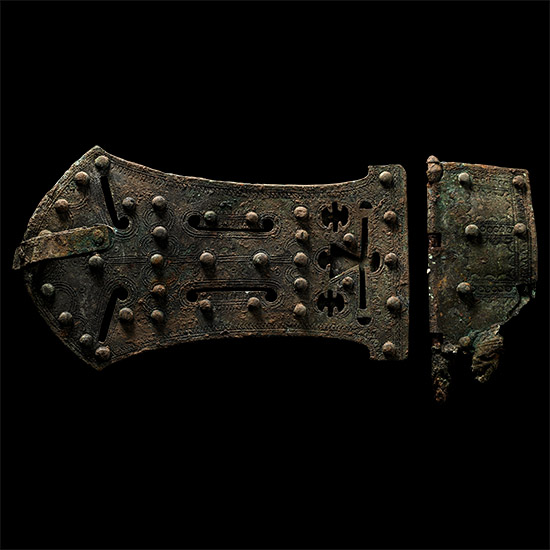
Roman Military Bronze Horse Harness Plates
Circa 3rd century A.D.Estimate: £400 - 600 (+bp*)
Opening Bid: £5
Comprising: a broad flat-section tongue-shaped panel with incised linear detailing and punched-points, rows of domed rivets, openwork slots and other shapes; a hole at the apex with strap junction, small attachment panel to reverse; rectangular end-plate similarly decorated with articulating slots to one edge to accept a securing pin. 100 grams total, 9-14 cm
Private collection formed in Europe in the 1980s. Westminster collection, central London, UK
The strap harness, probably destined for the muzzle of the horse, or maybe part of a belt, belongs to forms of fittings for straps and belts of the Roman era found in the Danish bogs. Almost all feature attachments on the reverse side to secure the strap. Some bronze examples were decorated, on the front, with mosaic and enamel, inserted in the openwork perforations. These elements, judging by their form and craftsmanship, are of Romano-barbaric origin.
