
Loading, please wait...
LOT 0842
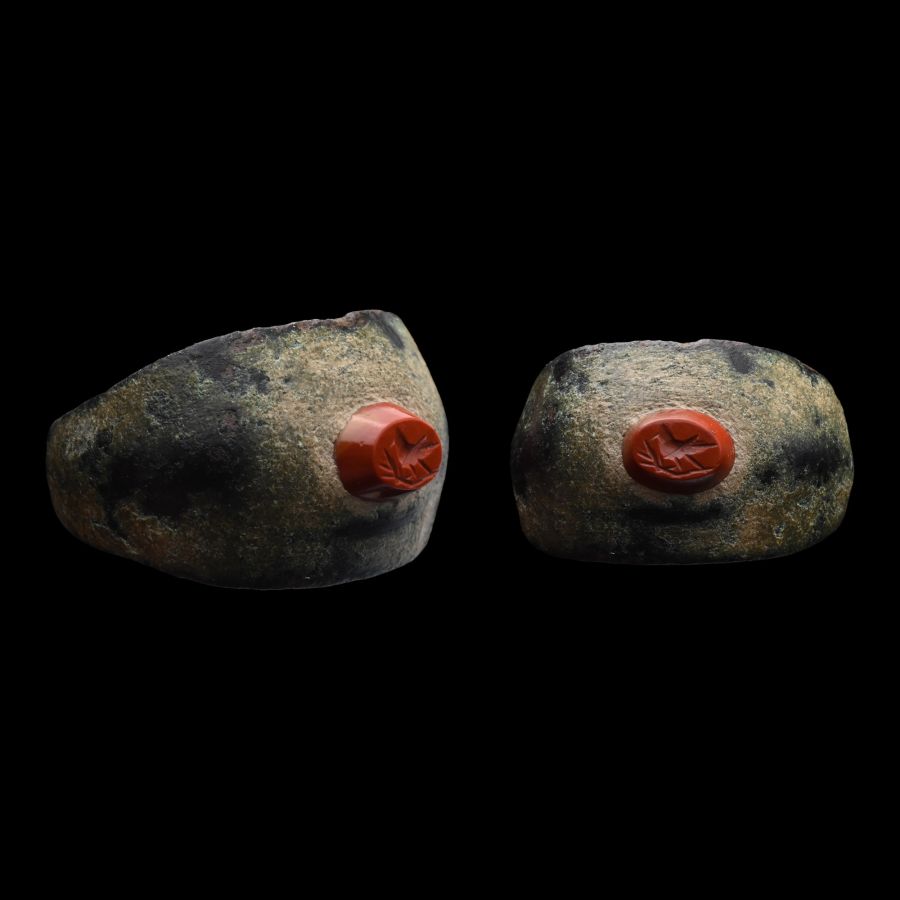
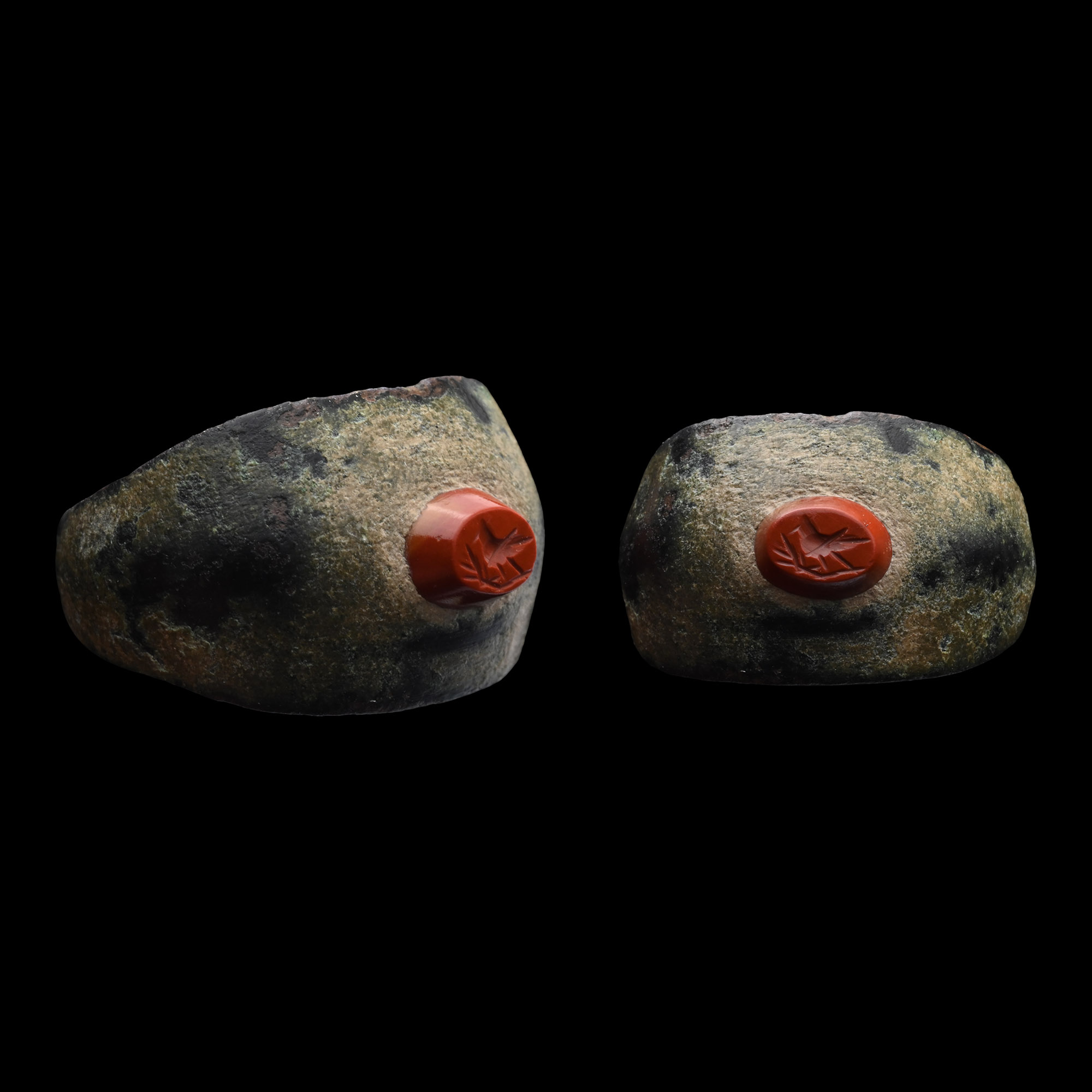
Roman Bronze Ring with Jasper Gemstone Depicting an Eagle
1ST-2ND CENTURY A.D.
3/4 in. (3.92 grams, 18.78 mm overall, 15.66 mm internal diameter (approximate size British G 1/2, USA 3 1/2, Europe 5.55, Japan 5)).
Broad hoop with an oval jasper gemstone with perching eagle on a frond or wreath. [No Reserve]
ProvenanceProperty of a European gentleman, acquired from the estate of a London collector (formed before 2000).
CONDITIONTimeLine Auctions follows a vetting process to ensure the authenticity and legality of all items, reinforcing our commitment to integrity and responsible trading. Each antiquity, antique, and coin lot undergoes thorough examination by a vetting committee of at least ten external specialists, professional trade association members, scientists, and archaeologists: Our Vetting Process
AUCTIONS:
TimeLine is a leading auction house specialising in antiquities, ancient art, collectables, natural history, coins, medals, and books. Our auctions offer museums, collectors, historians, and enthusiasts the opportunity to acquire unique and historically significant pieces.
LOT 0842
Roman Bronze Ring with Jasper Gemstone Depicting an Eagle
Sold for (Inc. bp): £85
-
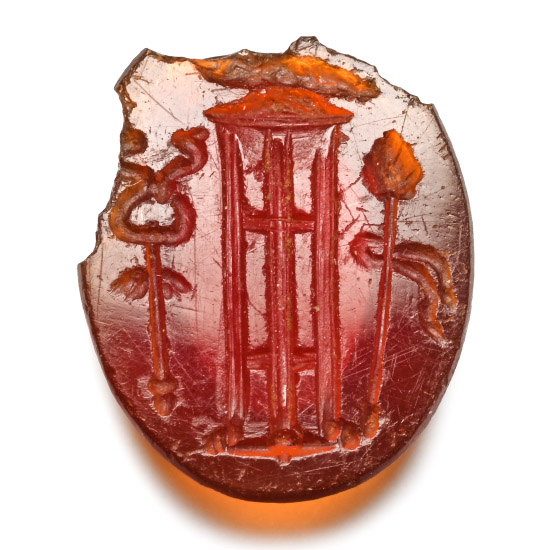
Roman Carnelian Gemstone with Tripod and Sceptres of Bacchus and Mercury
2nd-3rd century A.D.Sold for (Inc. bp): £104
Intaglio design of fasces, caduceus and other items. 0.28 grams, 9 mm
From the private collection of a European gentleman (1942-2024), formed since the 1970s. -
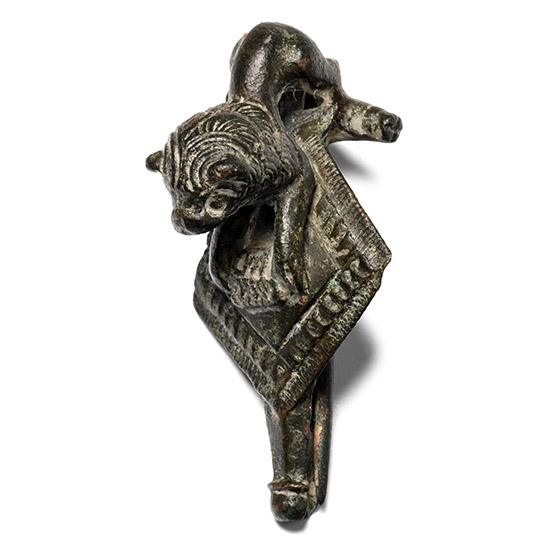
Roman Bronze Lion on Bow Brooch
2nd-3rd century A.D.Sold for (Inc. bp): £286
Lozengiform plaque with tiered design, bow formed as a reclining lion with forepaws flanking a casket; hinged pin above and catch to the reverse. 12.9 grams, 40 mm
Acquired at the York Fair. Property of a Lancashire, UK, collector. -
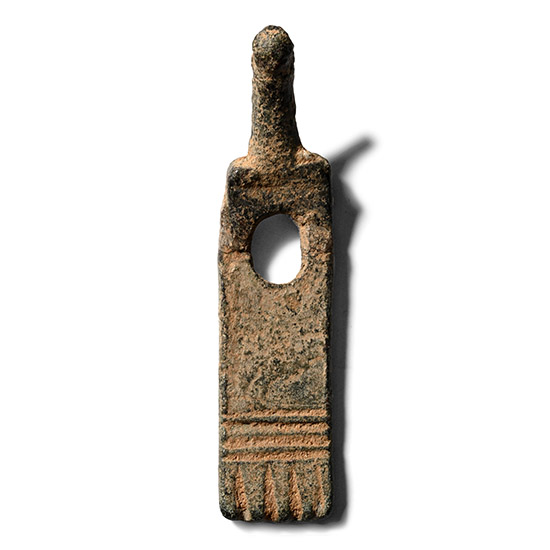
Roman Bronze Phallic Quillon
1st-4th century A.D.Sold for (Inc. bp): £117
Rectangular plate with a large oval socket, one end formed as an erect phallus, and the other as a stylised fist with ribbed cuff. 15.65 grams, 58 mm
Ex German collection, 1990s.
