
Loading, please wait...
LOT 0663
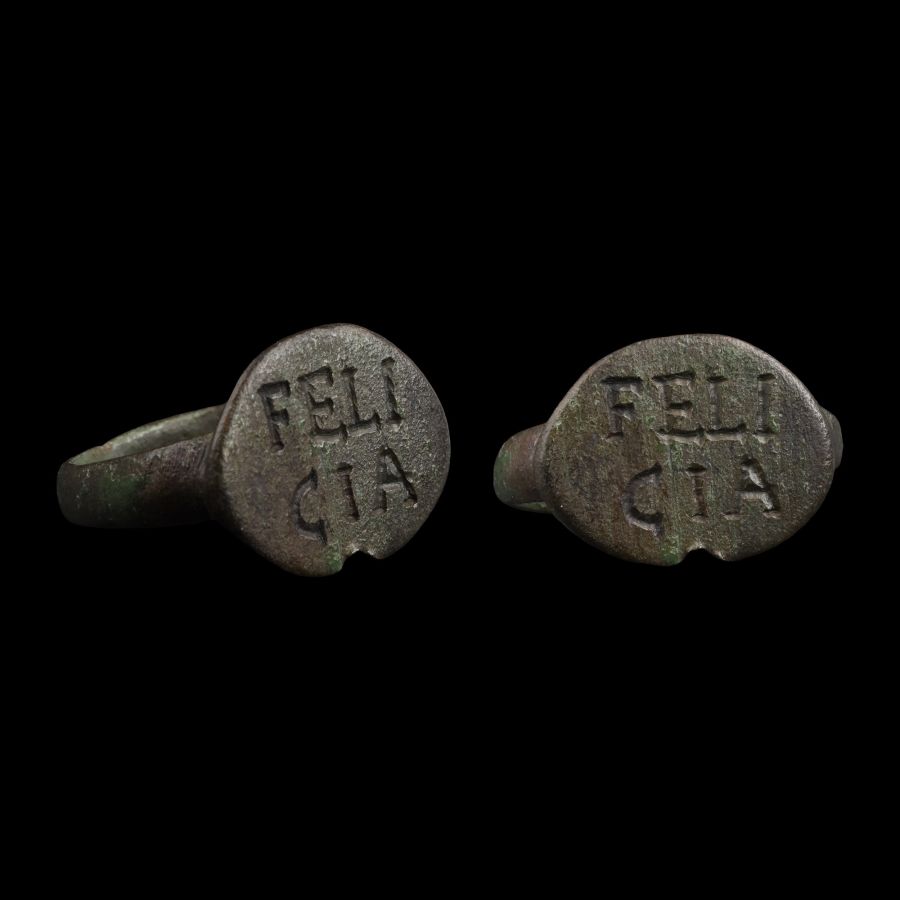
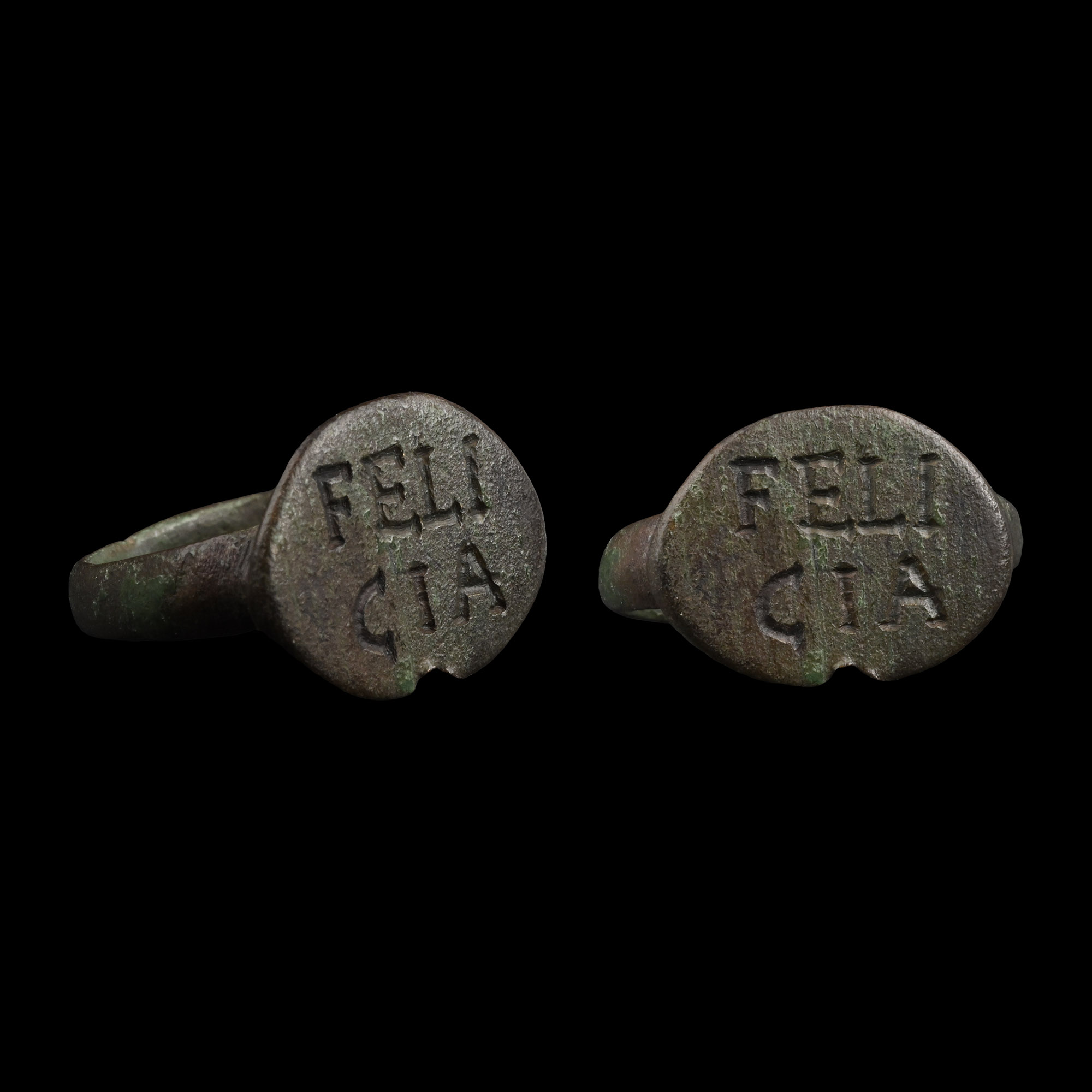
Roman Bronze Ring with FELI CIA
CIRCA 3RD CENTURY A.D.
3/4 in. (3.05 grams, 20.48 mm overall, 17.87 mm internal diameter (approximate size British M, USA 6, Europe 12.46, Japan 12)).
Ellipsoid plaque bezel with incuse legend 'FELI/CIA', the feminine form of felix 'happy' or 'lucky', or possibly a ring given to a woman called FELICIA. [No Reserve]
ProvenanceEx German art market, 2000s.
Acquired from an EU collector living in London.
From the collection of a Surrey, UK, gentleman.
TimeLine Auctions follows a vetting process to ensure the authenticity and legality of all items, reinforcing our commitment to integrity and responsible trading. Each antiquity, antique, and coin lot undergoes thorough examination by a vetting committee of at least ten external specialists, professional trade association members, scientists, and archaeologists: Our Vetting Process
AUCTIONS:
TimeLine is a leading auction house specialising in antiquities, ancient art, collectables, natural history, coins, medals, and books. Our auctions offer museums, collectors, historians, and enthusiasts the opportunity to acquire unique and historically significant pieces.
-
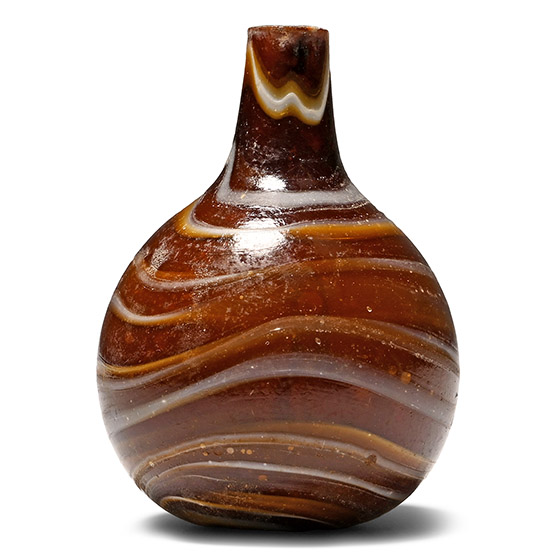
Roman Dark Amber Vessel with Trailing
Circa 1st century A.D.Sold for (Inc. bp): £910
Of bulbous form, slender neck, decorated with polychrome swirling trails. 28 grams, 68 mm
Acquired early 1990s. Ex private American collection; thence by descent. Private collection since 1998. -
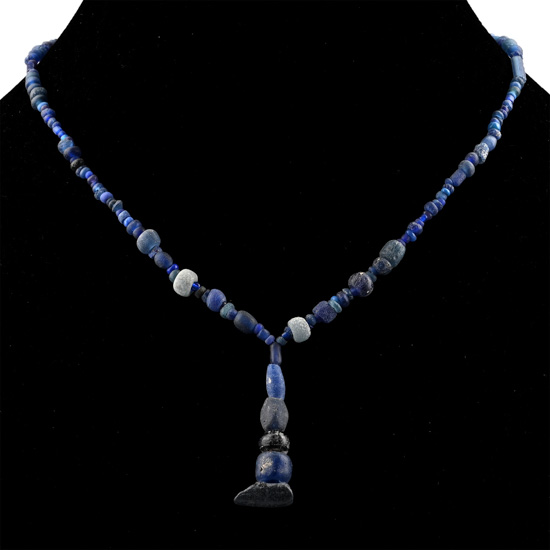
Roman and Other Blue Glass Bead Necklace String
1st-4th century A.D. and laterSold for (Inc. bp): £72
Composed of oblate, annular, and other beads, restrung to a Y-shape. 9.24 grams, 33.4 cm
From London, UK, gallery collection, 1990s. -
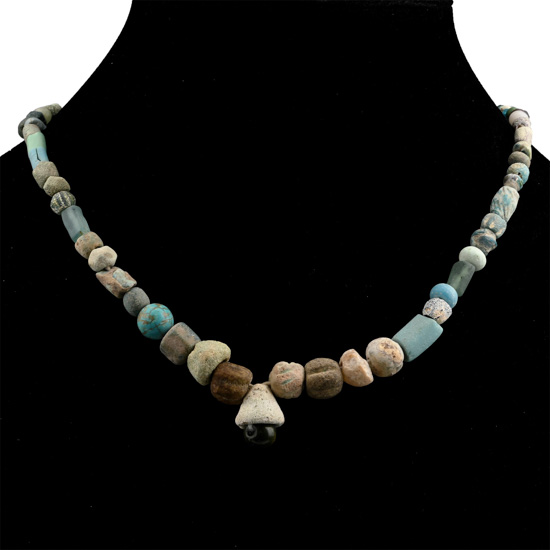
Roman and Other Bead Necklace String
1st-4th century A.D. and laterSold for (Inc. bp): £59
Mixed group of stone, glass and faience beads with a conical feature bead at the centre; restrung. 26.57 grams, 40 cm
From London, UK, gallery collection, 1990s.
