
Loading, please wait...
LOT 0669
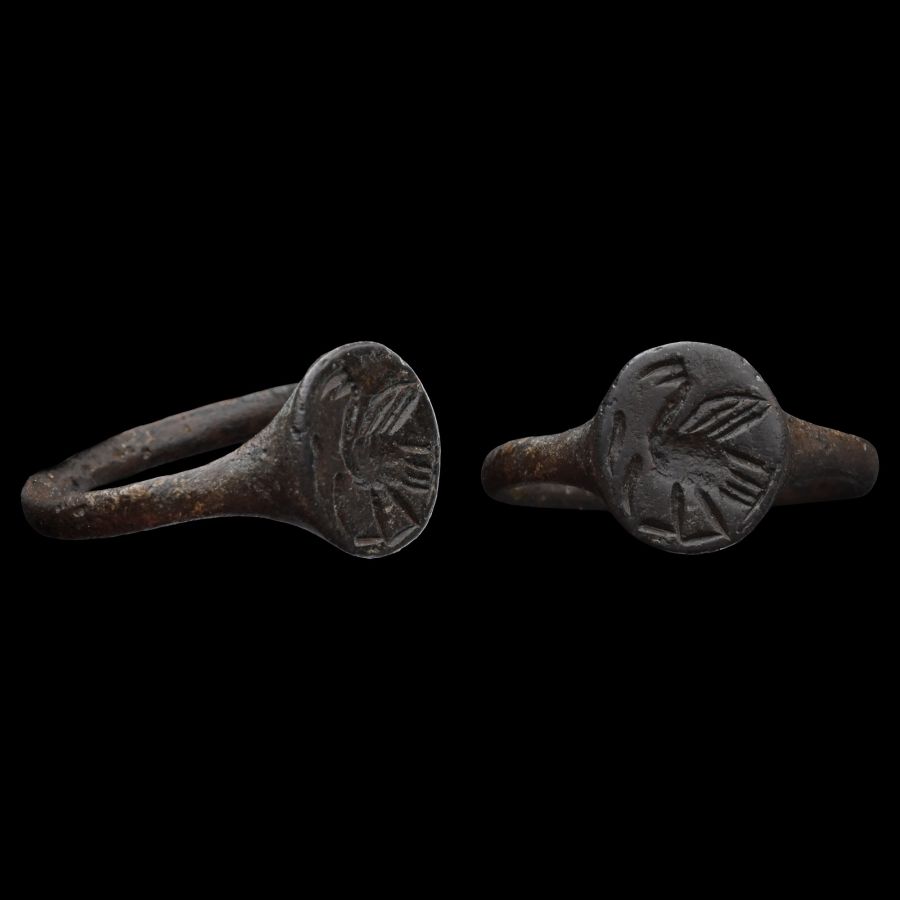
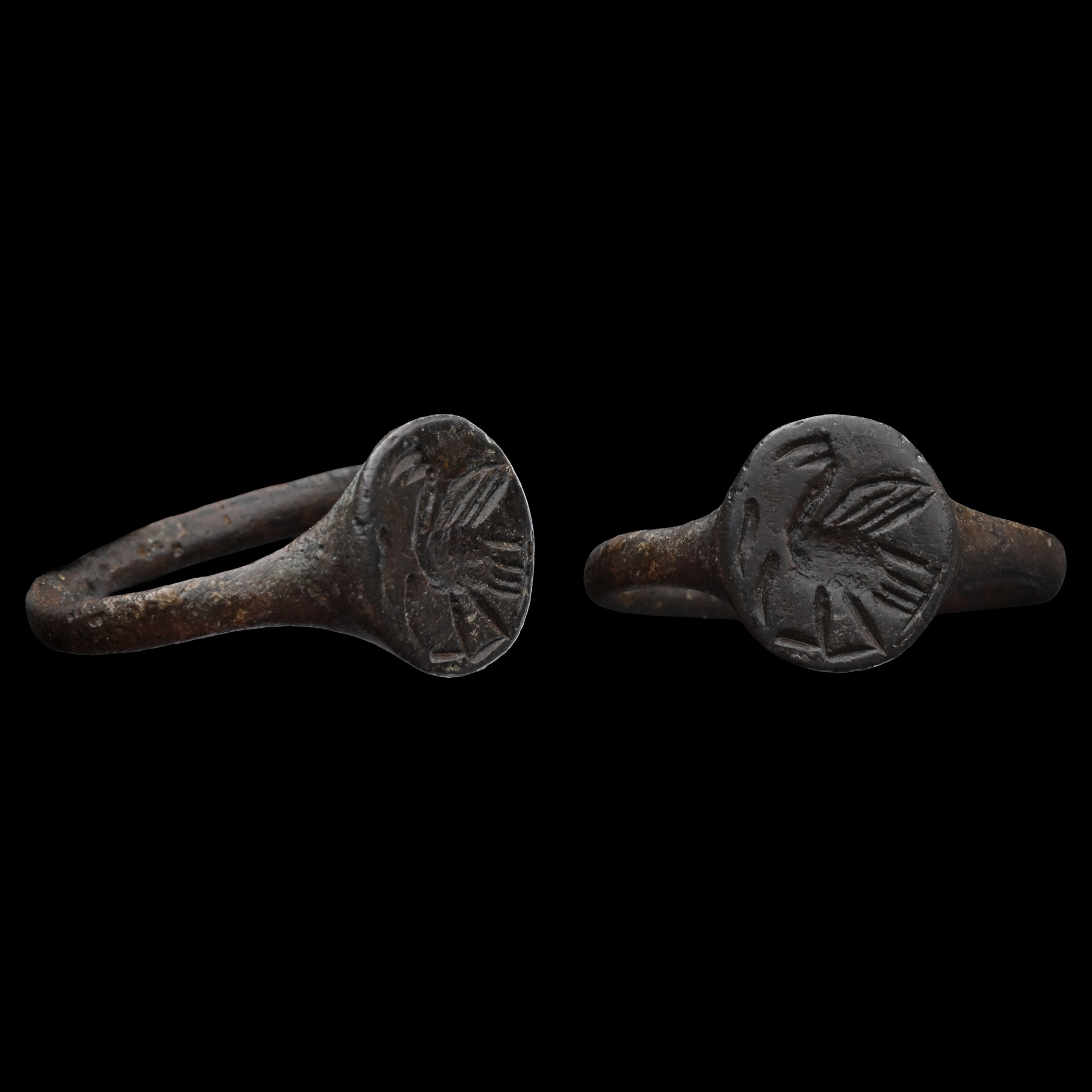
Roman Bronze Ring with Bird
3RD-4TH CENTURY A.D.
7/8 in. (3.30 grams, 22.97 mm overall, 19.37 mm internal diameter (approximate size British Q, USA 8, Europe 17.49, Japan 16)).
With a slender D-section hoop and an oval bezel with a standing bird with its wings spread. [No Reserve]
ProvenanceFrom a UK collection formed in the 1980s.
Property of an Essex, UK, gentleman.
TimeLine Auctions follows a vetting process to ensure the authenticity and legality of all items, reinforcing our commitment to integrity and responsible trading. Each antiquity, antique, and coin lot undergoes thorough examination by a vetting committee of at least ten external specialists, professional trade association members, scientists, and archaeologists: Our Vetting Process
AUCTIONS:
TimeLine is a leading auction house specialising in antiquities, ancient art, collectables, natural history, coins, medals, and books. Our auctions offer museums, collectors, historians, and enthusiasts the opportunity to acquire unique and historically significant pieces.
-
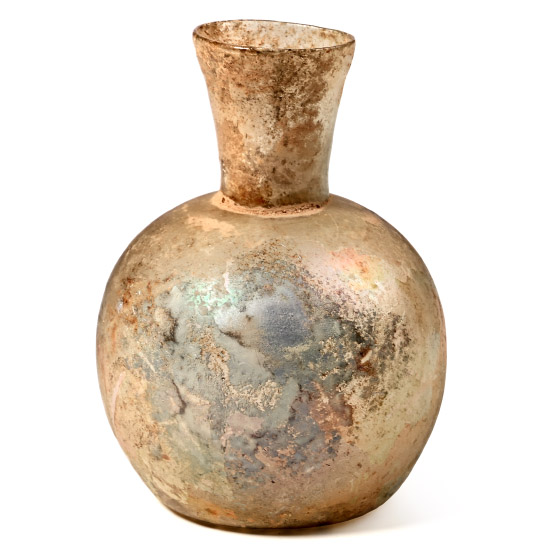
Roman Iridescent Glass Flask with Flared Neck
3rd-4th century A.D.Sold for (Inc. bp): £195
Bulbous body with dimple base and a trumpet-shaped neck. 30 grams, 10 cm
Acquired in the 1990s from London dealerships and auction houses. From the Lonson collection. -
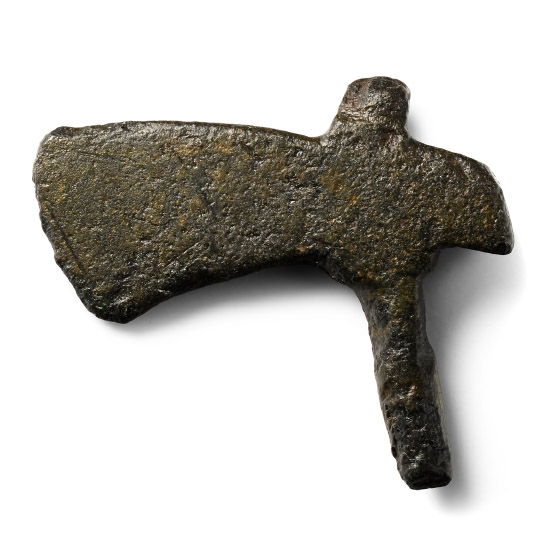
Romano-British Votive Miniature Axehead
England, 1st-3rd century A.D.Sold for (Inc. bp): £52
With curved blade stepped at the socket and short shaft beneath. 4.19 grams, 23 mm
Found Slipton, Northamptonshire, UK. Recorded with UKDFD no.36185. -
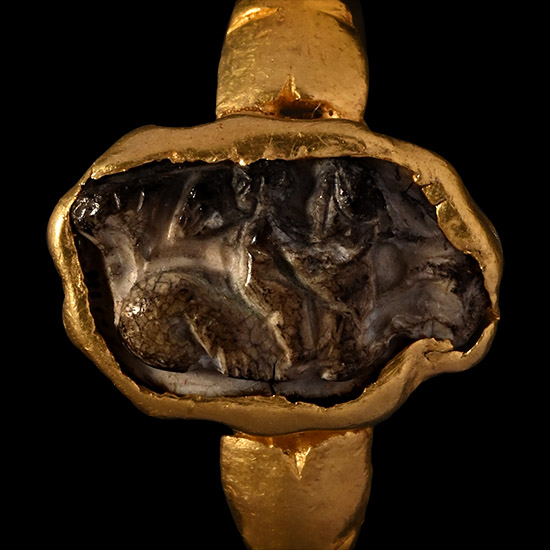
Roman Gold Ring with Burnt Agate Cameo of Eros, the Greek God of Love Riding a Hippocampus
1st century A.D.Estimate: £1,200 - 1,700 (+bp*)
Opening Bid: £600
D-section hoop with ellipsoid cell, inset cameo with Eros on a hippocamp. 3.59 grams, 20.92 mm overall, 16.98 mm internal diameter (approximate size British M, USA 6, Europe 12.46, Japan 12)
Private collection, Europe. Acquired on the English art market.
