
Loading, please wait...
LOT 0581
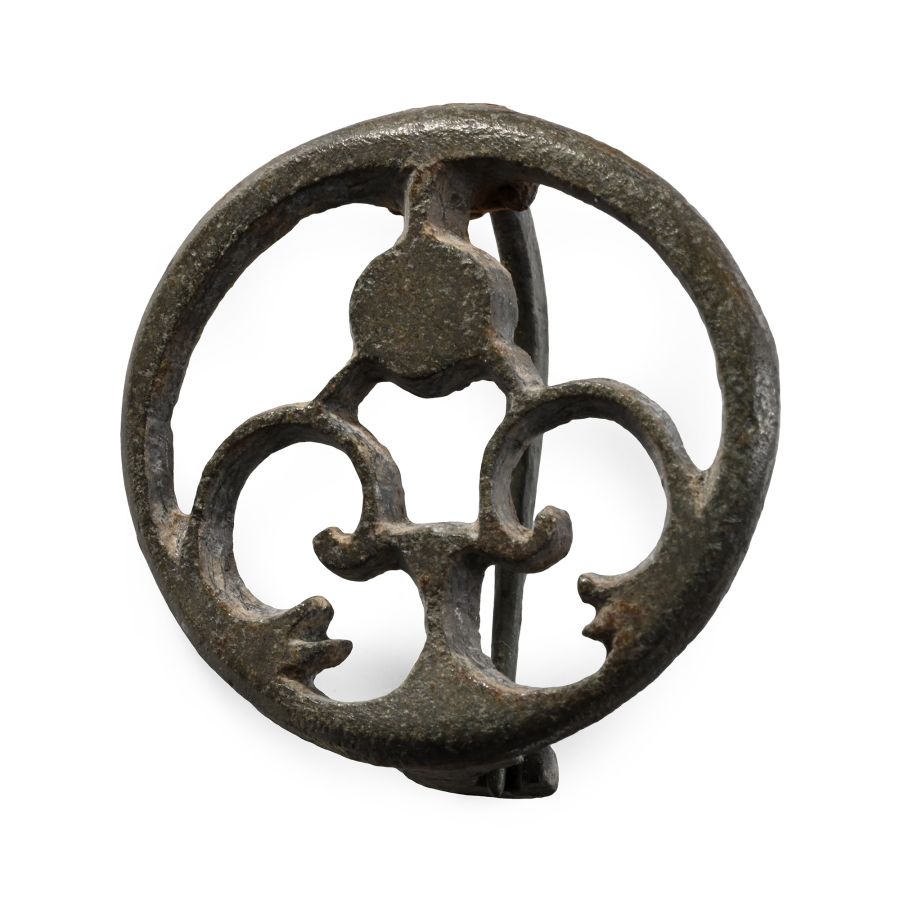
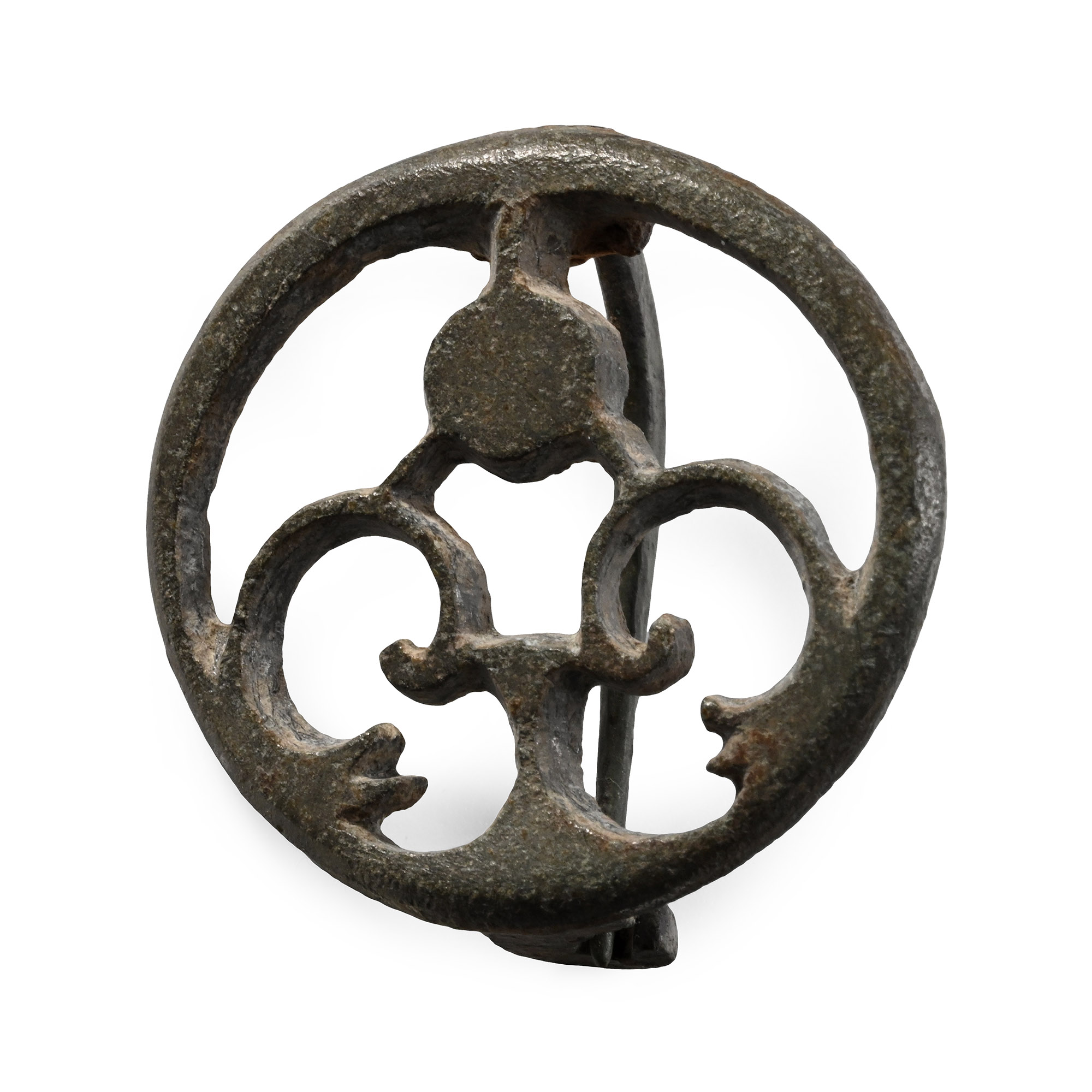
Roman Bronze Plate Brooch with Trumpets
2ND-3RD CENTURY A.D.
1 3/8 in. (11.12 grams, 34 mm).
Circular frame enclosing two opposing trumpet-shaped motifs, with a pin and catch on the reverse. [No Reserve]
ProvenanceFrom the private coin collection of a West London, UK, gentleman, formed since the mid 1980s.
CONDITIONTimeLine Auctions follows a vetting process to ensure the authenticity and legality of all items, reinforcing our commitment to integrity and responsible trading. Each antiquity, antique, and coin lot undergoes thorough examination by a vetting committee of at least ten external specialists, professional trade association members, scientists, and archaeologists: Our Vetting Process
AUCTIONS:
TimeLine is a leading auction house specialising in antiquities, ancient art, collectables, natural history, coins, medals, and books. Our auctions offer museums, collectors, historians, and enthusiasts the opportunity to acquire unique and historically significant pieces.
-
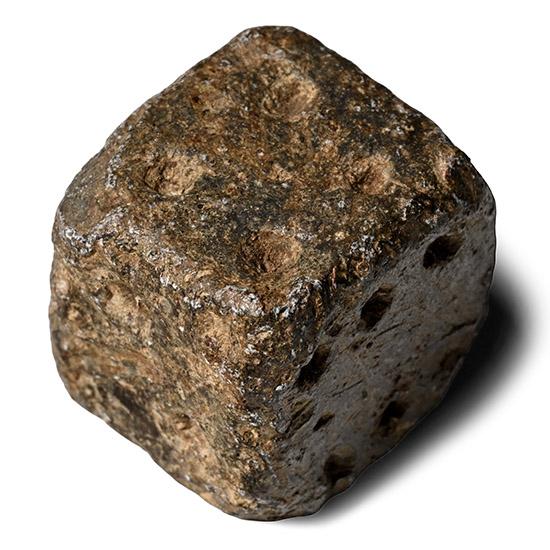
Large Roman Lead Gaming Die
Circa 1st-4th century A.D.Sold for (Inc. bp): £143
Cuboid dice with impressed markings unusually disposed 1:6, 2:3, 4:5. 57.2 grams, 19 mm
Ex gentleman collector of antique and antiquity games from Berkshire, UK, having collected for over 20 years. -
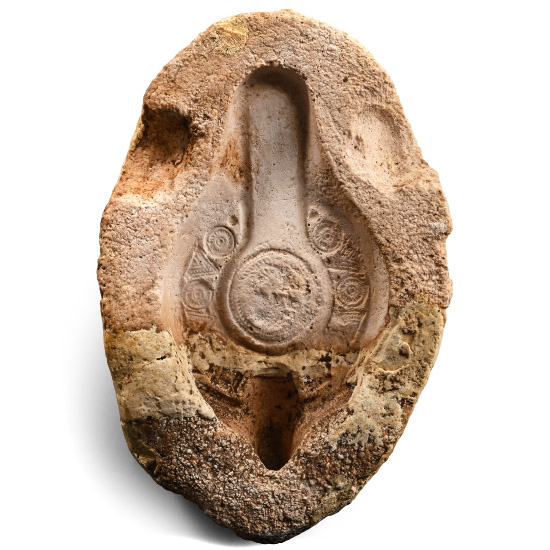
Late Roman Stone Redware Oil Lamp Upper Mould
Circa 4th century A.D.Sold for (Inc. bp): £325
Carved mould-half for producing slipper-shaped oil lamps, with triangles and rosettes forming a band to the edge of the shoulder. 715 grams, 17.5 cm
From the private collection of Mr Brian Edwards, New Malden, Surrey, UK, formed from the late 1970s-early 1980s; thence by descent. -
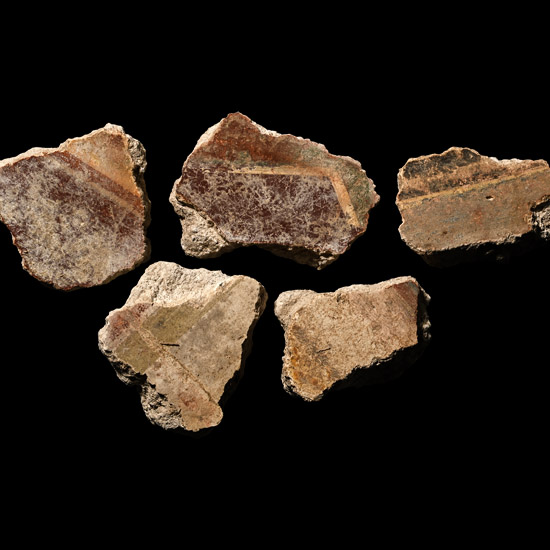
Roman Fresco Wall Plaster Collection
1st century A.D.Sold for (Inc. bp): £130
Fragments of wall plaster with rendered surface painted with mainly Pompeii red, pale blue and white detailing; some with impression of timber laths to the reverse. 499 grams total, 69-85 mm
Acquired in the 19th century. Ex Jeger collection, Switzerland. UK gallery, early 2000s.
These small fragments, for analogies with the fragments of Pompeii, seem to belong to the second style of Roman painting, red panels representing highlight and shadow, decorated with vegetal interlaces. Some panels were probably framed by a red grenade fillet. A fragment shows alternate blue and red colour over a cream background, maybe pertinent to a socle.
