
Loading, please wait...
LOT 0668
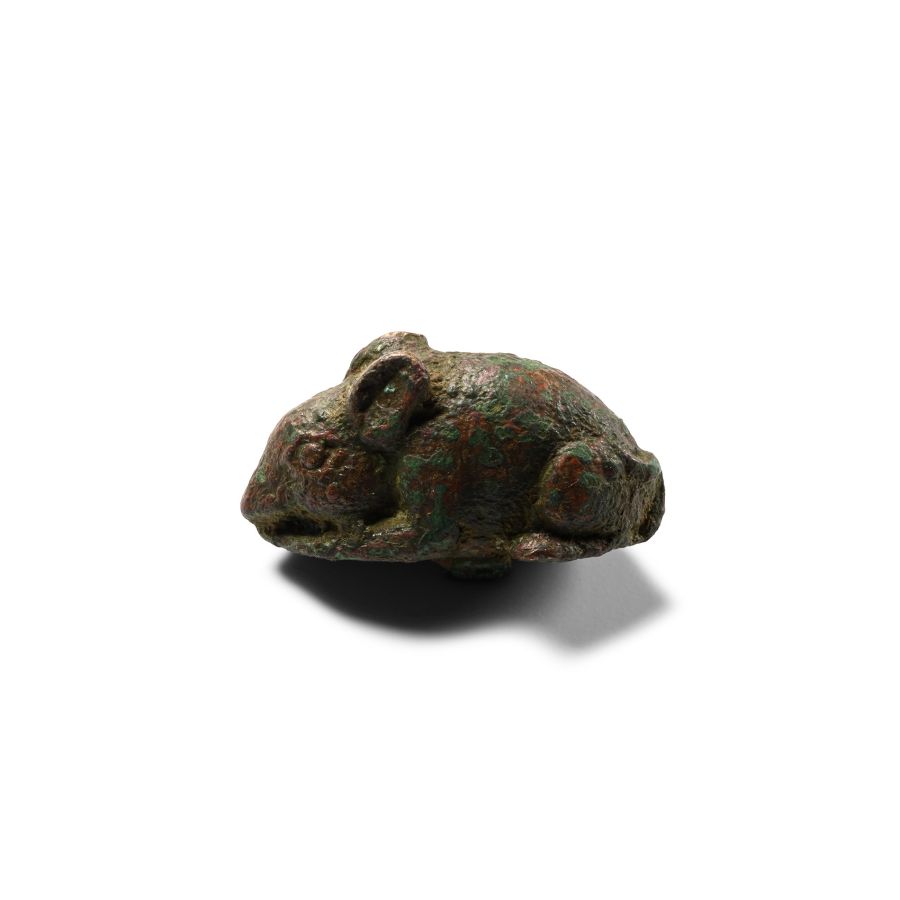
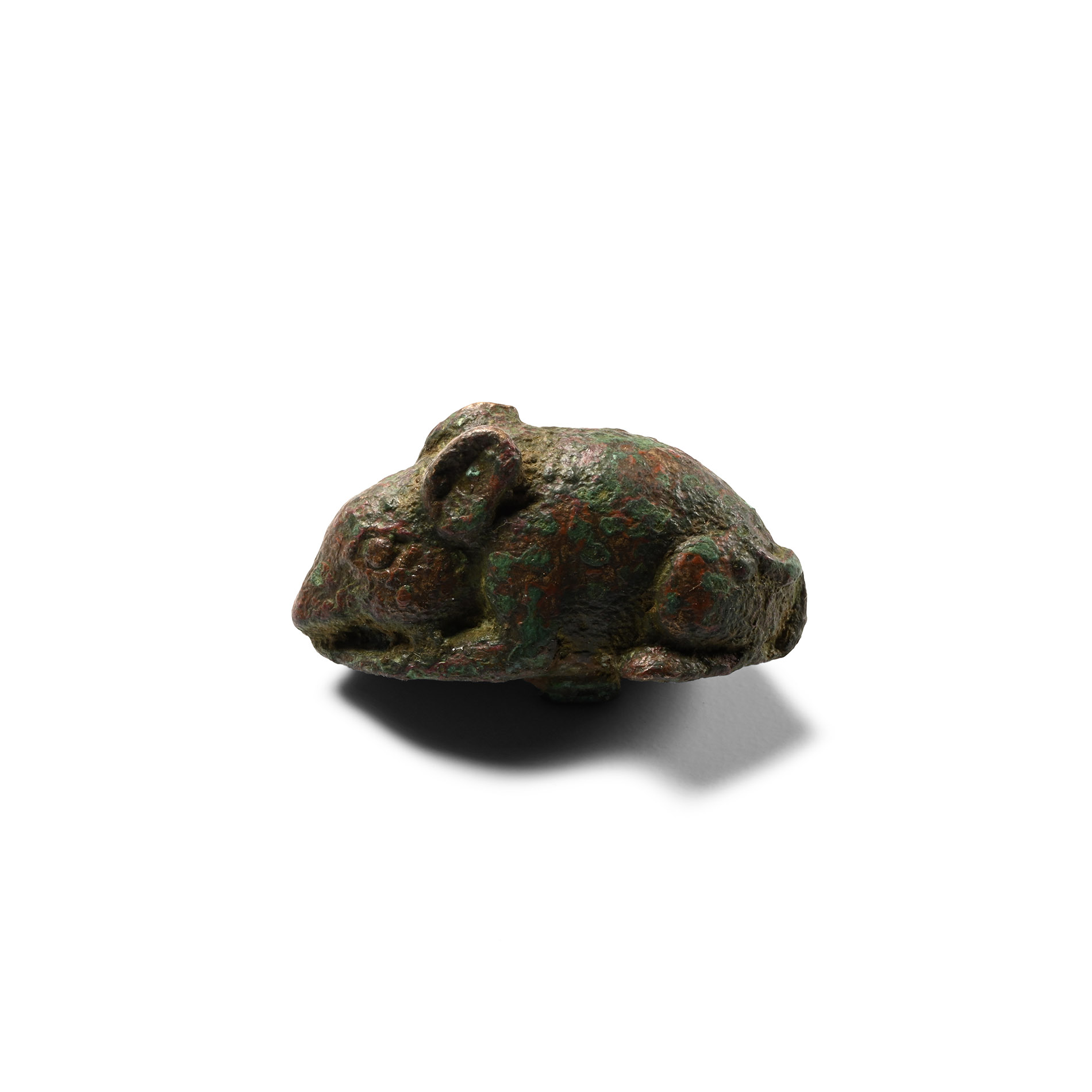
Roman Bronze Nibbling Mouse Statuette
1ST-4TH CENTURY A.D.
1 1/4 in. (29 grams, 33 mm).
Modelled with naturalistic detailing on all fours as if nibbling at food held between the forepaws, curled tail.
Provenance‘The Ancient Menagerie Collection’ formerly the property of a Cambridgeshire lady, collected since the 1990s and acquired from auctions and dealers throughout Europe and the USA, now ex London collection.
CONDITIONTimeLine Auctions follows a vetting process to ensure the authenticity and legality of all items, reinforcing our commitment to integrity and responsible trading. Each antiquity, antique, and coin lot undergoes thorough examination by a vetting committee of at least ten external specialists, professional trade association members, scientists, and archaeologists: Our Vetting Process
AUCTIONS:
TimeLine is a leading auction house specialising in antiquities, ancient art, collectables, natural history, coins, medals, and books. Our auctions offer museums, collectors, historians, and enthusiasts the opportunity to acquire unique and historically significant pieces.
-
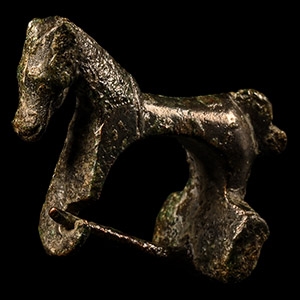
Roman Bronze Horse Brooch
Circa 2nd century A.D.Sold for (Inc. bp): £156
Modelled in the round, the neck with small engraved lines indicating mane, narrow body, short tail, the forelegs forming the pin’s catch. 10.8 grams, 31 mm
Acquired on the UK art market. Property of a Ruislip, UK, gentleman, by inheritance.
The style of the animal is typical of the Pannonian area. It is different from similar fibulae in the western part of the empire, where there is more suggestion of movement. However, in general the head and body are modelled with realism, and the forelegs are acting as a wide flat catch-plate. -
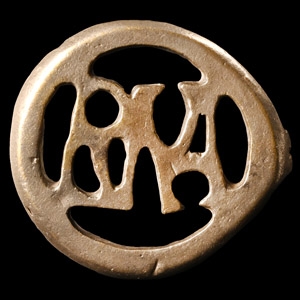
Roman Silver ROMA Brooch
2nd-3rd century A.D.Sold for (Inc. bp): £98
The monogram in Latin letters, ('R'+'M'+'A', with the 'O' represented by the circular plan of the brooch itself), a palindrome 'AMOR'; complete with pin. 10 grams, 35 mm
From the collection of Alan Hardcastle. Ex private Merseyside, UK, collection.
The brooch is composed of the stylised letters ‘RMA’. When viewed from the obverse RMA + the circle of the brooch form a monogram for ‘Roma’. Roma refers to both the city and its divine personification, the Dea Roma. But if RMA is read from right to left (or the brooch is viewed from the opposite side), the letters display a monogram for ‘AMOR’, the Latin name for Cupid, the god of love. The phrase pertains to Roma-Amor, a widely recognised palindrome espousing Roman wordplay in the ancient times. -
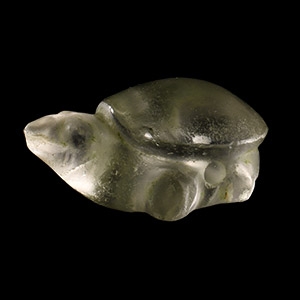
Roman Rock Crystal Tortoise Amulet
1st-4th century A.D. or laterEstimate: £500 - 700 (+bp*)
Opening Bid: £200
Polished and carved in the round with simple stylised detailing; drilled for suspension. 5.38 grams, 23 mm
with a London, UK gallery, 1971-early 2000s.
