
Loading, please wait...
LOT 0853
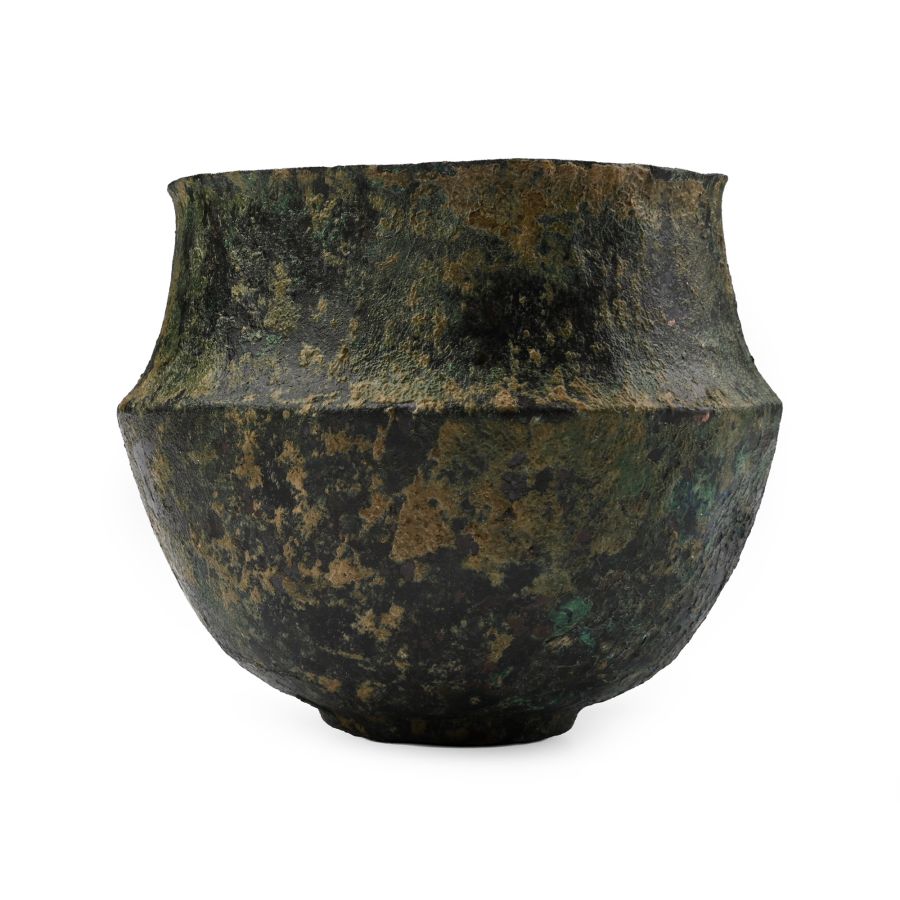
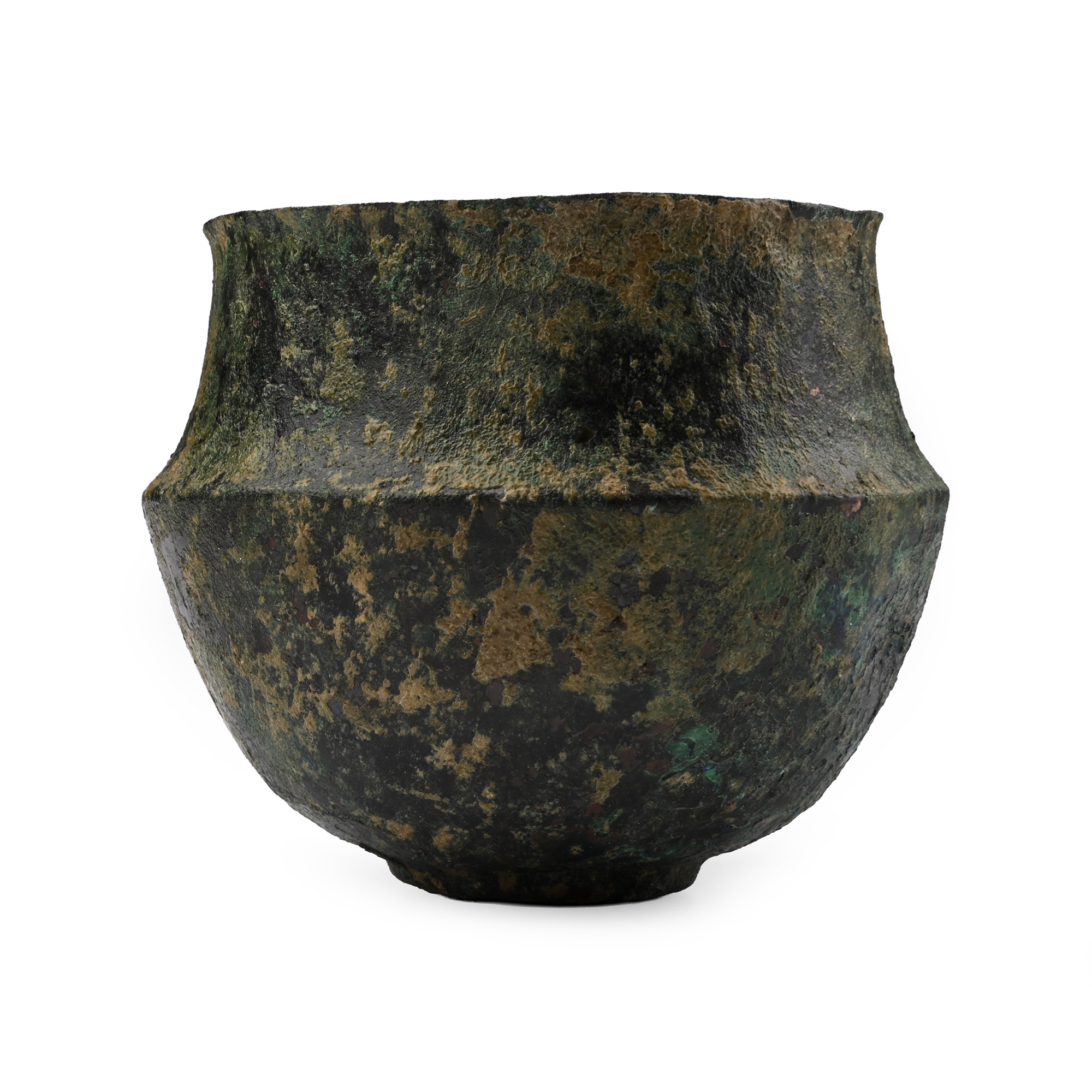
Roman Bronze Medical Blood-Letting Vessel
1ST-4TH CENTURY A.D.
3 3/8 in. (78 grams, 86 mm).
Made from thin sheet bronze with small disc base, carination to the sidewall, scooped neck.
ProvenanceEx German art market, 2000s.
Acquired from an EU collector living in London.
From the collection of a Surrey, UK, gentleman.
This lot is accompanied by an illustrated lot declaration signed by the Head of the Antiquities Department, Dr Raffaele D'Amato.
A 'bleeding-cup' which was used by physicians for drawing blood from their patients.
CONDITIONTimeLine Auctions follows a vetting process to ensure the authenticity and legality of all items, reinforcing our commitment to integrity and responsible trading. Each antiquity, antique, and coin lot undergoes thorough examination by a vetting committee of at least ten external specialists, professional trade association members, scientists, and archaeologists: Our Vetting Process
AUCTIONS:
TimeLine is a leading auction house specialising in antiquities, ancient art, collectables, natural history, coins, medals, and books. Our auctions offer museums, collectors, historians, and enthusiasts the opportunity to acquire unique and historically significant pieces.
-
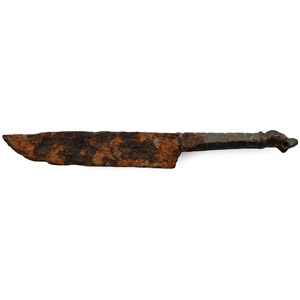
Roman Iron Knife with Bronze Handle
1st-2nd century A.D.Sold for (Inc. bp): £143
Single-edged ferrous blade with angled tip, hexagonal-section hilt with incised ribbing, dog-head finial with open mouth to accept a securing cord. 28.7 grams, 12.7 cm
Ex German art market, 2000s. Acquired from an EU collector living in London. From the collection of a Surrey, UK, gentleman. This lot is accompanied by an illustrated lot declaration signed by the Head of the Antiquities Department, Dr Raffaele D'Amato. -
.jpg)
Roman Iron Knife with Bronze Hilt
4th century A.D.Sold for (Inc. bp): £169
Single-edged iron blade with scooped tip and octagonal-section bronze handle with dog-head finial and beaded collar. 37 grams, 16 cm
Ex German art market, 2000s. Acquired from an EU collector living in London. From the collection of a Surrey, UK, gentleman. This lot is accompanied by an illustrated lot declaration signed by the Head of the Antiquities Department, Dr Raffaele D'Amato. -
.jpg)
Roman Bone Gaming Dice Pair
1st-4th century A.D.Sold for (Inc. bp): £182
Cuboid with ring-and-dot markings disposed 1:6, 2:5, 3:4. 2.36 grams, 8-9 mm
Ex German art market, 2000s. Acquired from an EU collector living in London. From the collection of a Surrey, UK, gentleman. This lot is accompanied by an illustrated lot declaration signed by the Head of the Antiquities Department, Dr Raffaele D'Amato.
