
Loading, please wait...


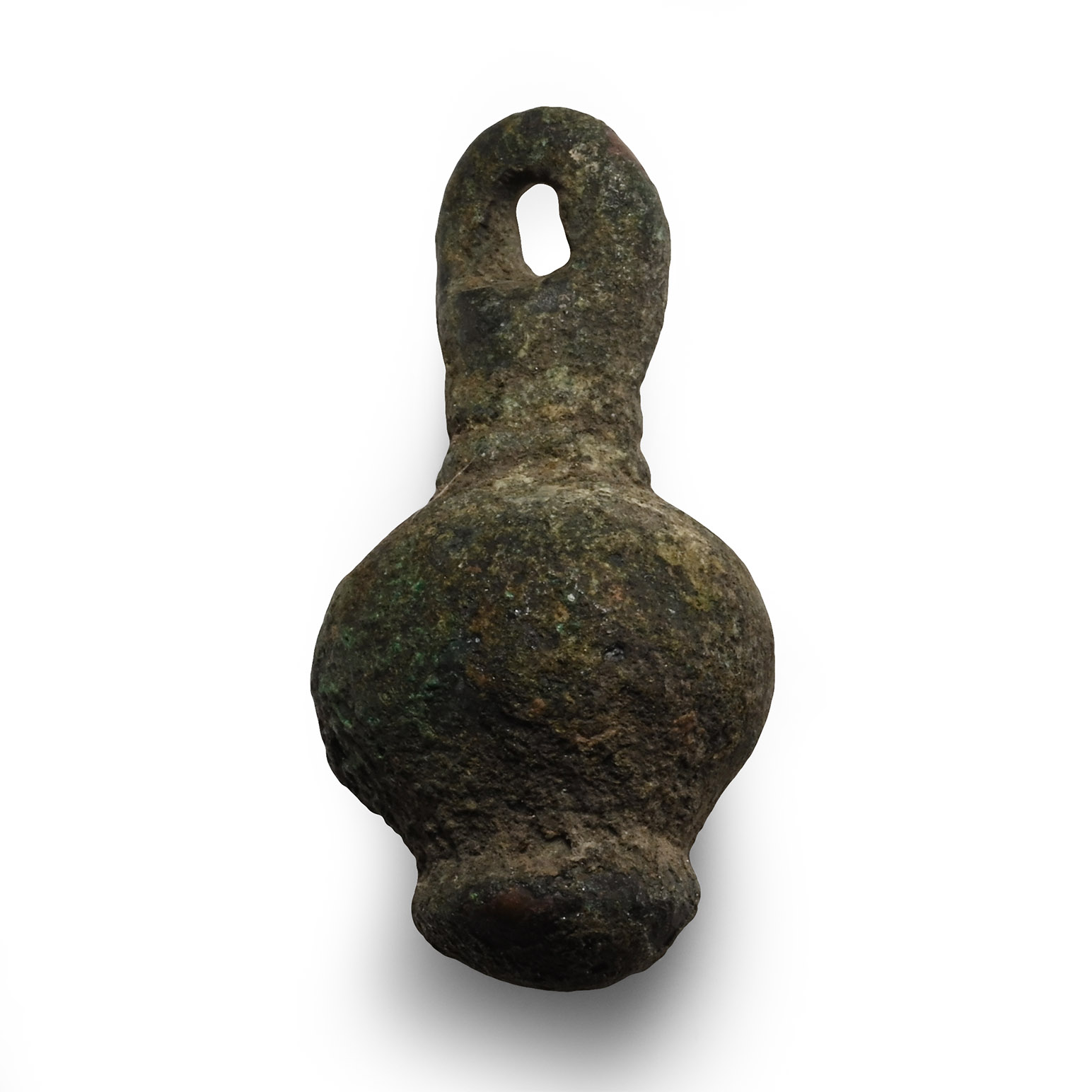
LOT 0603
Roman Bronze Mason's Plumb Bob Weight
1ST-4TH CENTURY A.D.
1 1/4 in. (23.5 grams, 33 mm).
With bulbous body, domed base, pierced suspension lug. [No Reserve]
ProvenanceAcquired on the UK art market before 2000.
Property of an Essex, UK, gentleman.
TimeLine Auctions follows a vetting process to ensure the authenticity and legality of all items, reinforcing our commitment to integrity and responsible trading. Each antiquity, antique, and coin lot undergoes thorough examination by a vetting committee of at least ten external specialists, professional trade association members, scientists, and archaeologists: Our Vetting Process
AUCTIONS:
TimeLine is a leading auction house specialising in antiquities, ancient art, collectables, natural history, coins, medals, and books. Our auctions offer museums, collectors, historians, and enthusiasts the opportunity to acquire unique and historically significant pieces.
-
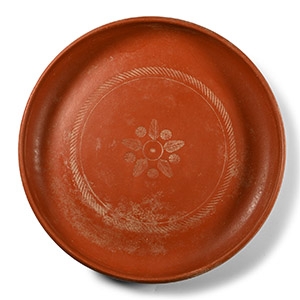
Roman Decorated 'Terra Sigillata' Redware Dish
North Africa, 4th century A.D.Sold for (Inc. bp): £572
Terracotta dish with low sidewall, tondo with ropework border, central motif of five radiating fronds with rosettes between. 466 grams, 22.5 cm diameter
From a UK private collection. Ex London, UK, gallery. with Mallams, Oxford, UK. Property of a Bristol, UK, gentleman. -
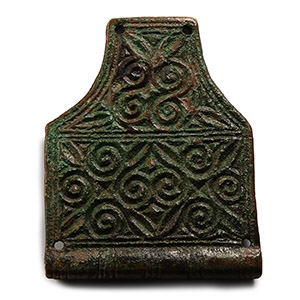
Large Late Roman Bronze Elaborate Belt Plate
4th-5th century A.D.Sold for (Inc. bp): £208
With scroll motifs divided in two panels, rolled and ribbed forward edge, holes for four attachment pins. 45.2 grams, 71 mm
Ex German art market, 2000s. Acquired from an EU collector living in London. From the collection of Surrey, UK, gentleman. -
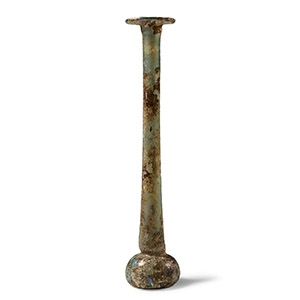
Roman Glass Vessel
1st-2nd century A.D.Sold for (Inc. bp): £130
With piriform body and flat base, tall neck and everted rim. 24.6 grams, 17 cm
From a London, UK, collection, 1990s.
