
Loading, please wait...
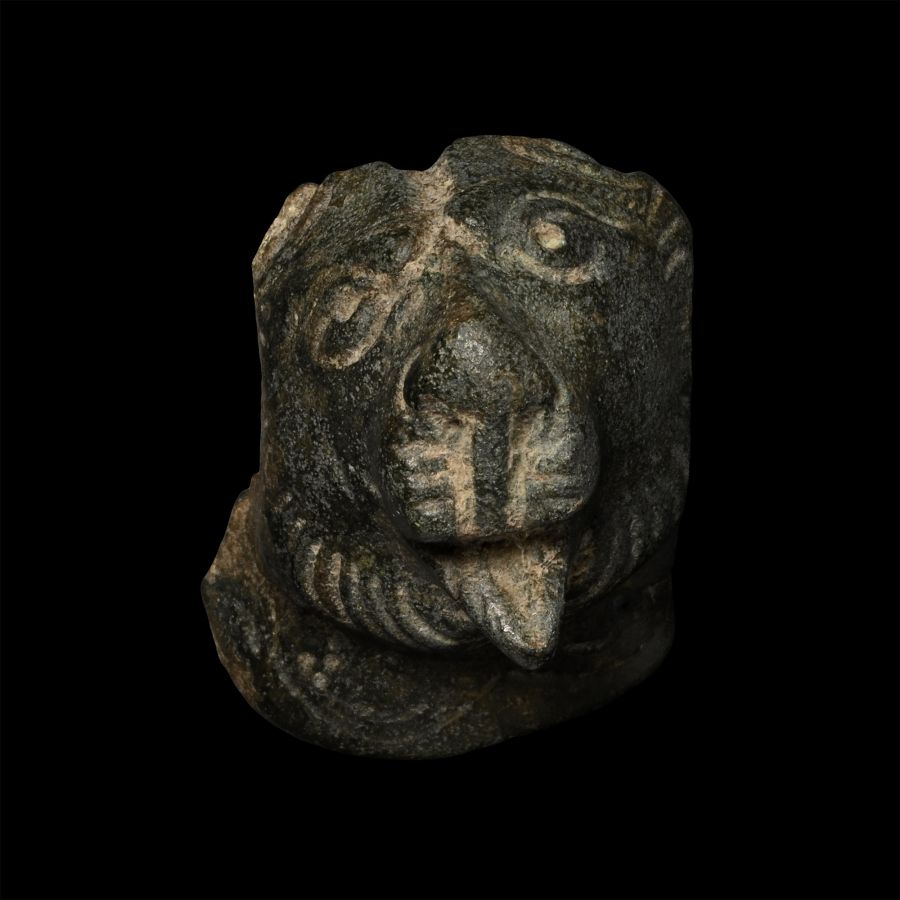
LOT 0657
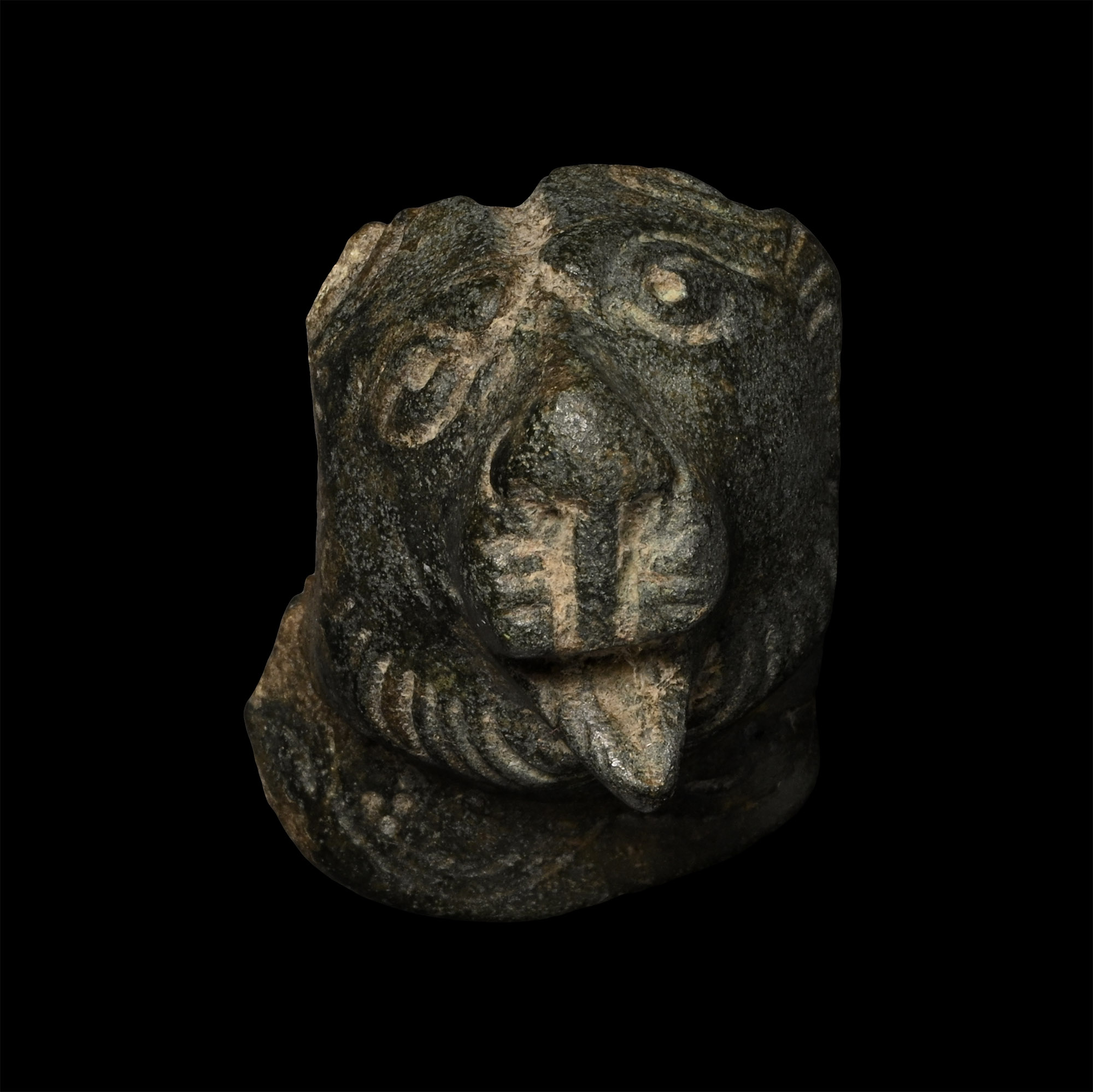
Roman Bronze Lion's Head Fragment
1ST-4TH CENTURY A.D.
1 3/4 in. (59.4 grams, 45.3 mm).
Modelled in the round with open jaws and lolling tongue, furrowed eyebrows and large lentoid eyes, mane detailing framing the face. [No Reserve]
ProvenanceFrom the private collection of a European gentleman (1942-2024), formed since the 1970s.
CONDITIONTimeLine Auctions follows a vetting process to ensure the authenticity and legality of all items, reinforcing our commitment to integrity and responsible trading. Each antiquity, antique, and coin lot undergoes thorough examination by a vetting committee of at least ten external specialists, professional trade association members, scientists, and archaeologists: Our Vetting Process
AUCTIONS:
TimeLine is a leading auction house specialising in antiquities, ancient art, collectables, natural history, coins, medals, and books. Our auctions offer museums, collectors, historians, and enthusiasts the opportunity to acquire unique and historically significant pieces.
-
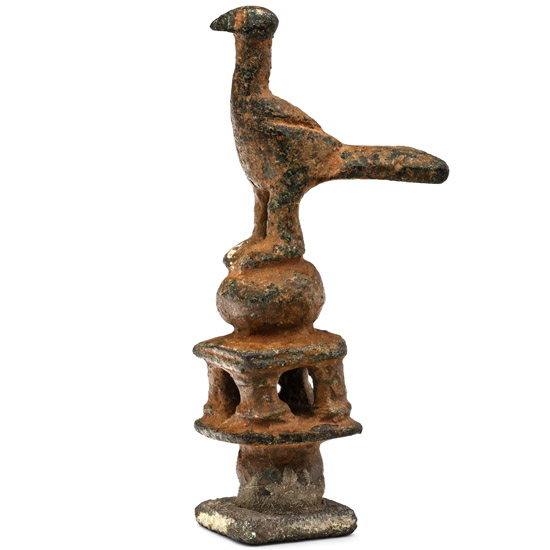
Eastern Roman Bronze Bird Statuette
2nd-4th century A.D.Sold for (Inc. bp): £221
Modelled as a stylised bird standing on a globe atop an openwork pillar, the bird with wide tail and bulbous eyes. 27.5 grams, 54 mm
Ex German art market, 2000s. Acquired from an EU collector living in London. From the collection of a Surrey, UK, gentleman. -
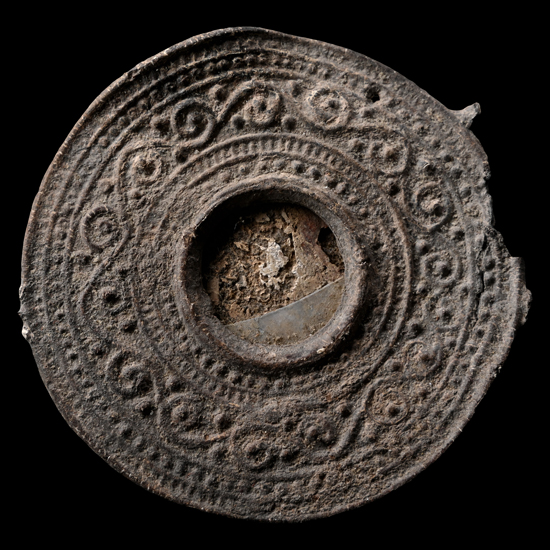
Roman Lead Votive Mirror
2nd-4th century A.D.Sold for (Inc. bp): £59
Discoid in plan, obverse with concentric rings. scrolls and pellets; reverse with a central rosette. 35 grams, 60.8 mm
From the private collection of a European gentleman (1942-2024), formed since the 1970s. -
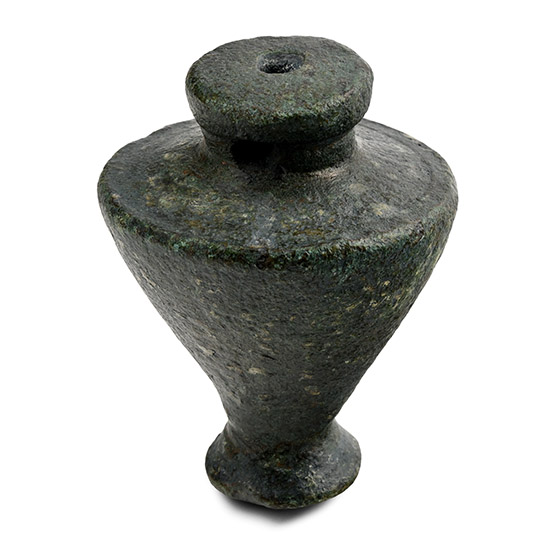
Large Roman Bronze Mason's Plumb Bob Weight
1st-4th century A.D.Sold for (Inc. bp): £416
Conical body with a flaring point and top. 333 grams, 59 mm
From the estate of Mr Eduard Steiner, Hainburg/Carnuntum (1933-2025). Acquired on the European art market.
