
Loading, please wait...
LOT 0966
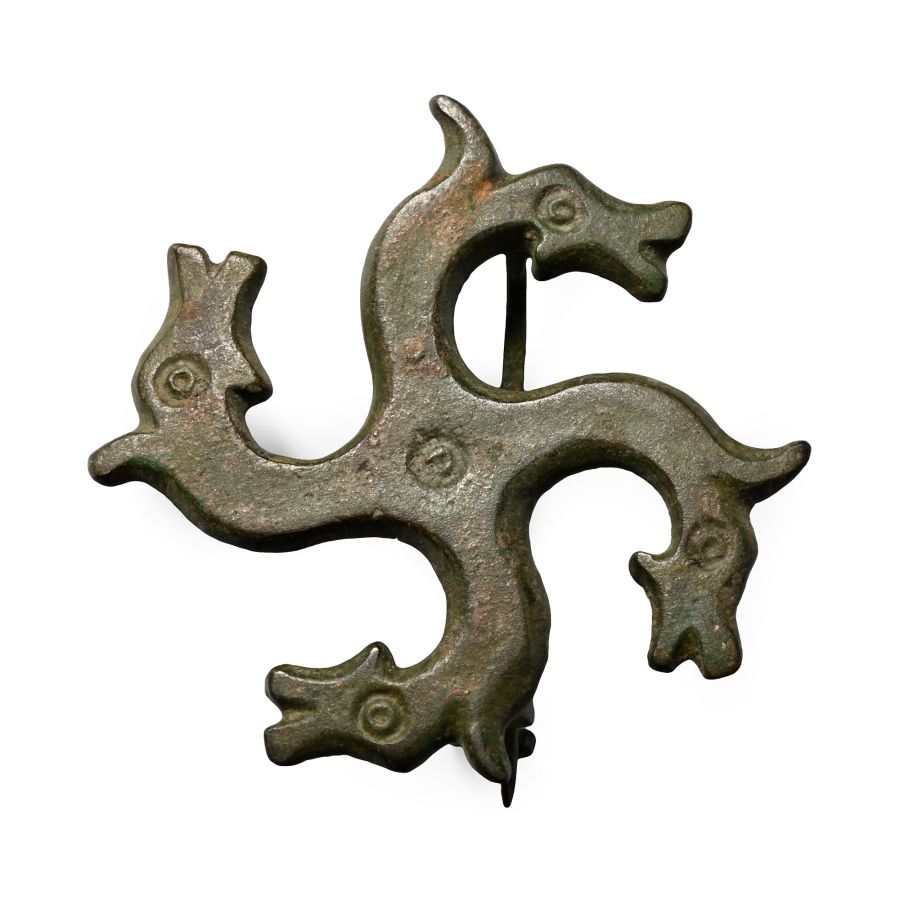
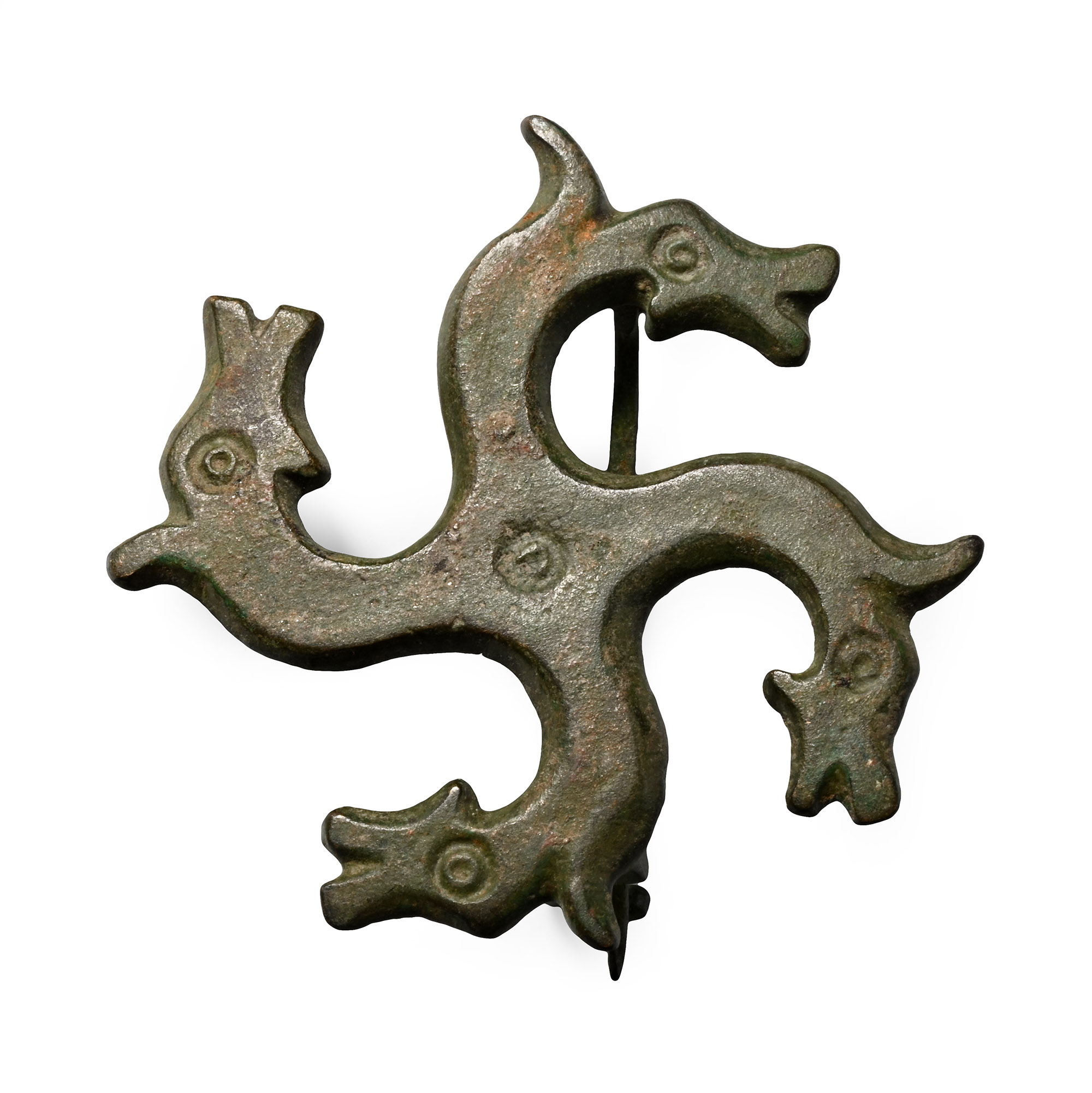
Roman Bronze Horse-Head Whorl Plate Brooch
3RD-4TH CENTURY A.D.
1 1/2 in. (8.87 grams, 39 mm).
With horse-head finials, each with a punched ring-and-dot eye detailing, a central ring-and-dot motif, a pin and catchplate on the reverse. [No Reserve]
ProvenanceFrom the private coin collection of a West London, UK, gentleman, formed since the mid 1980s.
CONDITIONTimeLine Auctions follows a vetting process to ensure the authenticity and legality of all items, reinforcing our commitment to integrity and responsible trading. Each antiquity, antique, and coin lot undergoes thorough examination by a vetting committee of at least ten external specialists, professional trade association members, scientists, and archaeologists: Our Vetting Process
AUCTIONS:
TimeLine is a leading auction house specialising in antiquities, ancient art, collectables, natural history, coins, medals, and books. Our auctions offer museums, collectors, historians, and enthusiasts the opportunity to acquire unique and historically significant pieces.
-
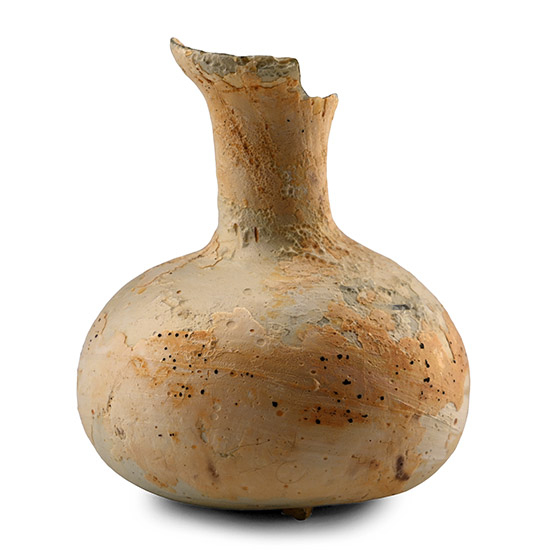
Roman Opaque White Glass Unguentarium
1st-4th century A.D.Estimate: £120 - 170 (+bp*)
Opening Bid: £67
Squat in profile with tall, trumpet-style neck and everted rim. 10.4 grams, 41 mm
From a specialist collection of glass, acquired from dealerships during the 1990s. -
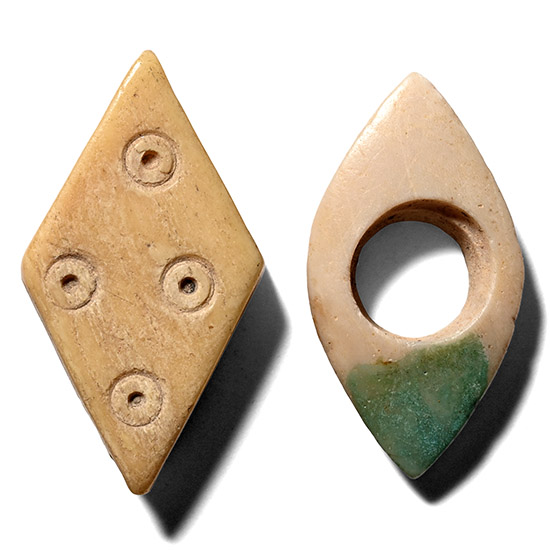
Roman Bone Mount and Bead
Circa 1st-4th century A.D.Sold for (Inc. bp): £20
Comprising: a lozenge-shaped bead with four ring-and-dot motifs on both sides, remains of a loop at each end; an eye insert with drilled pupil. 2.2 grams total, 20-22 mm
Ex Cambridgeshire, UK, collection, 1990s. -
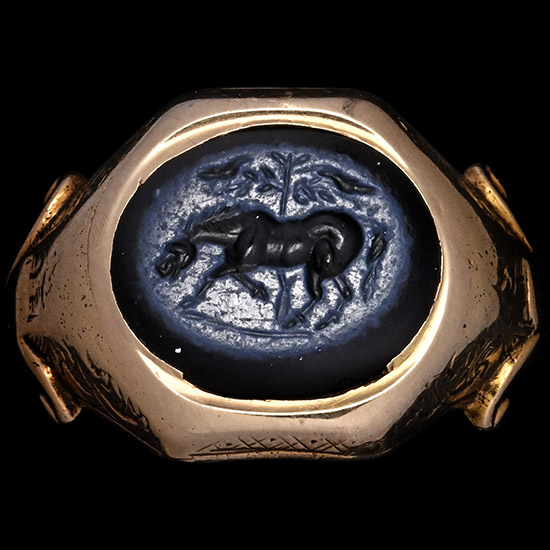
Roman Nicolo Intaglio Depicting a Horse Beneath a Tree in Gold Ring
1st century A.D.Estimate: £2,000 - 3,000 (+bp*)
Opening Bid: £1,000
Comprising a dark blue layered chalcedony, engraved with the figure of a horse standing beneath a stylised tree, within which perch two birds, mounted in a later gold ring of broad, flat-shouldered form, engraved with floral and scrollwork motifs; supplied with a museum-quality impression. 5.33 grams, 20.30 mm overall, 17.24 x 16.55 mm internal diameter (approximate size British M, USA 6, Europe 12.46, Japan 12)
Acquired on the European art market. This lot has been checked against the Interpol Database of stolen works of art and is accompanied by search certificate number no.13366-257910.
Nicolo’s two-tone effect, with its pale upper layer and darker ground, enhances the depth and clarity of the intaglio engraving.
