
Loading, please wait...
LOT 0763
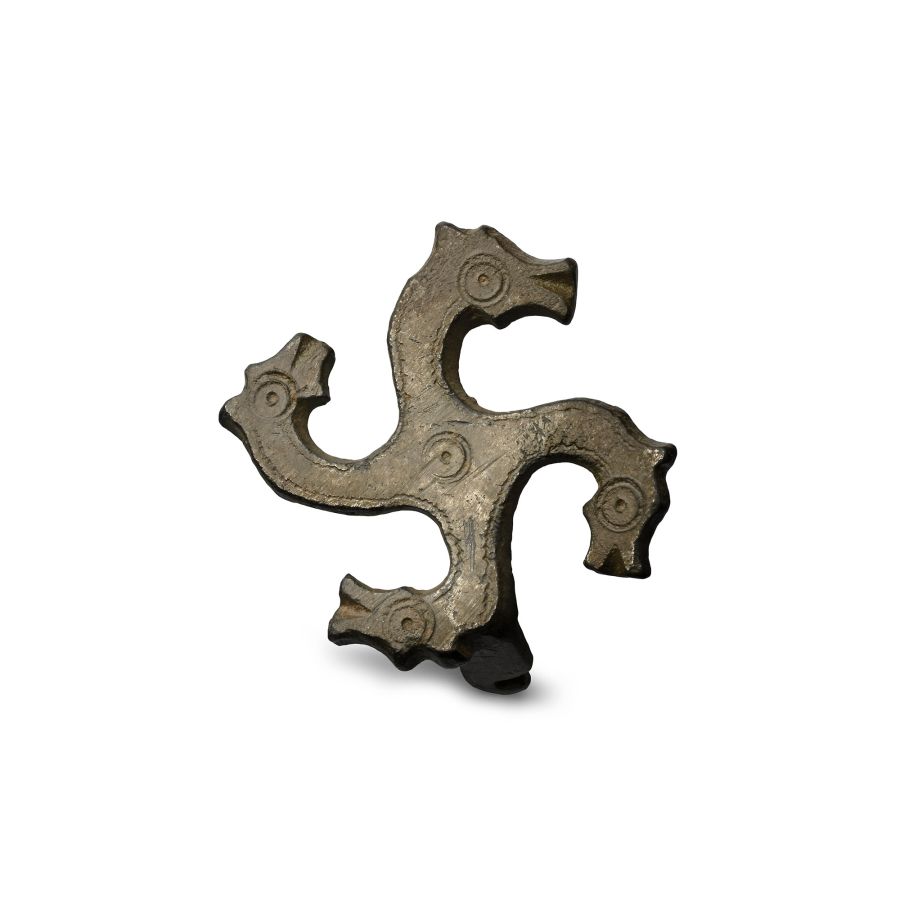
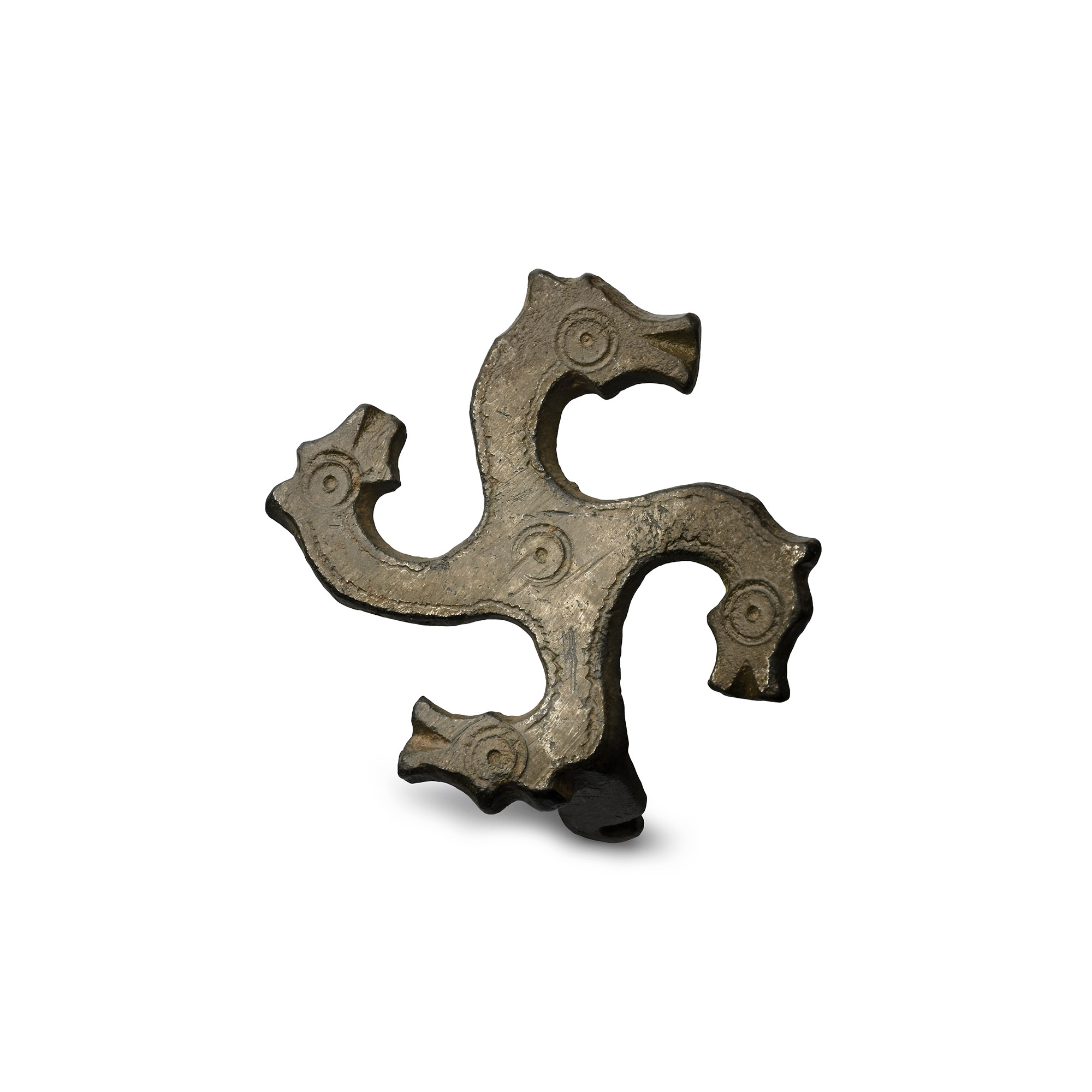
Roman Bronze Horse-Head Fylfot Plate Brooch
3RD-4TH CENTURY A.D.
1 5/8 in. (16.5 grams, 43 mm).
With horse-head finials and central ring-and-dot motif; pin and catchplate on the reverse. [No Reserve]
ProvenanceEx German art market, 2000s.
Acquired from an EU collector living in London.
From the collection of a Surrey, UK, gentleman.
This lot is accompanied by an illustrated lot declaration signed by the Head of the Antiquities Department, Dr Raffaele D'Amato.
TimeLine Auctions follows a vetting process to ensure the authenticity and legality of all items, reinforcing our commitment to integrity and responsible trading. Each antiquity, antique, and coin lot undergoes thorough examination by a vetting committee of at least ten external specialists, professional trade association members, scientists, and archaeologists: Our Vetting Process
AUCTIONS:
TimeLine is a leading auction house specialising in antiquities, ancient art, collectables, natural history, coins, medals, and books. Our auctions offer museums, collectors, historians, and enthusiasts the opportunity to acquire unique and historically significant pieces.
-
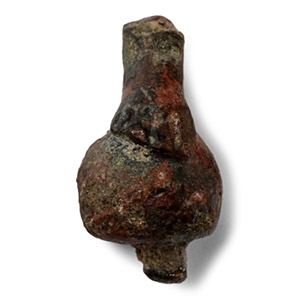
Roman Bronze Statue Foot on Globe
1st-4th century A.D.Sold for (Inc. bp): £33
Modelled in the round, globe surmounted by a human right foot; mounting stud beneath. 27.3 grams, 33 mm
Acquired on the London art market in the late 1980s-1990s. From the family collection of an East London, UK, gentleman. This lot is accompanied by an illustrated lot declaration signed by the Head of the Antiquities Department, Dr Raffaele D'Amato. -
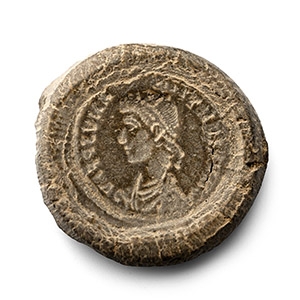
Terracotta Forger's Casting Mould
4th century A.D.Sold for (Inc. bp): £364
Discoid clay mould with impressed design of a coin to each face. 3.46 grams, 24 mm
From the collection of a gentleman, acquired on the London art market in the 1990s. This lot is accompanied by an illustrated lot declaration signed by the Head of the Antiquities Department, Dr Raffaele D'Amato. -
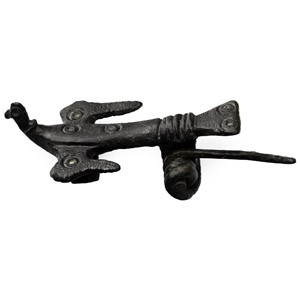
Roman Bronze Flying Bird Plate Brooch
2nd century A.D.Sold for (Inc. bp): £117
Aviform brooch with ring-and-dot motifs to wings, tail and head; pin-lug, chord, pin and catchplate to underside. 7.79 grams, 37 mm
Ex German art market, 2000s. Acquired from an EU collector living in London. From the collection of a Surrey, UK, gentleman. This lot is accompanied by an illustrated lot declaration signed by the Head of the Antiquities Department, Dr Raffaele D'Amato.
