
Loading, please wait...
LOT 0742
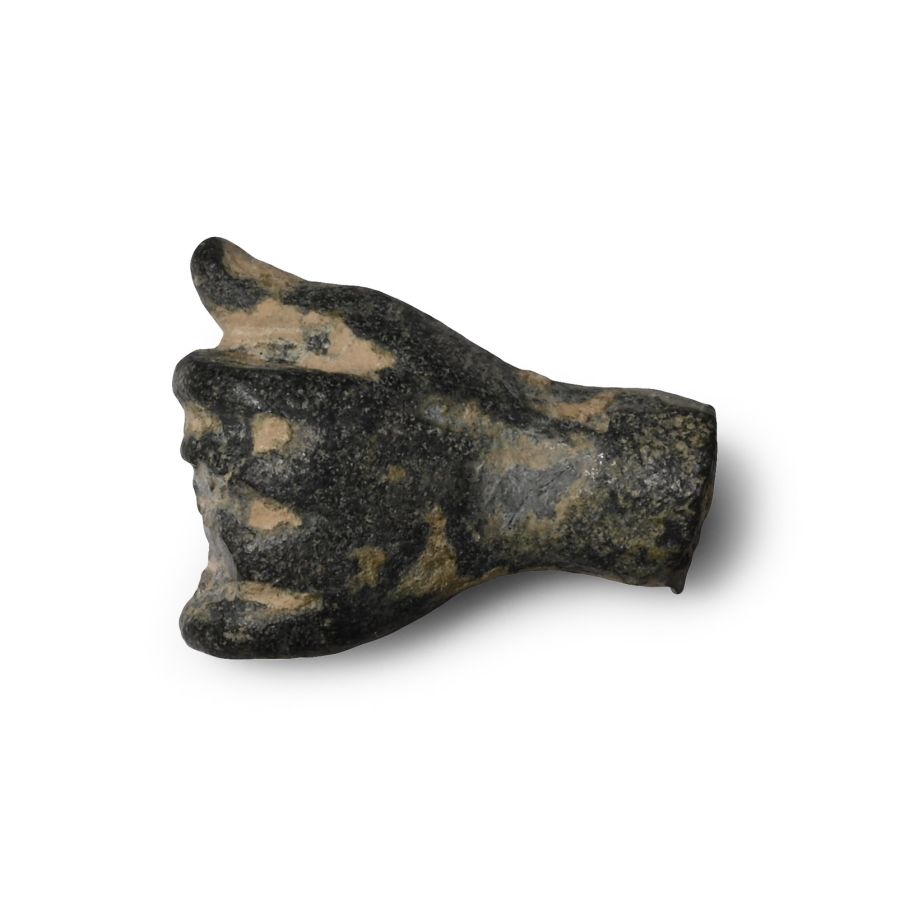
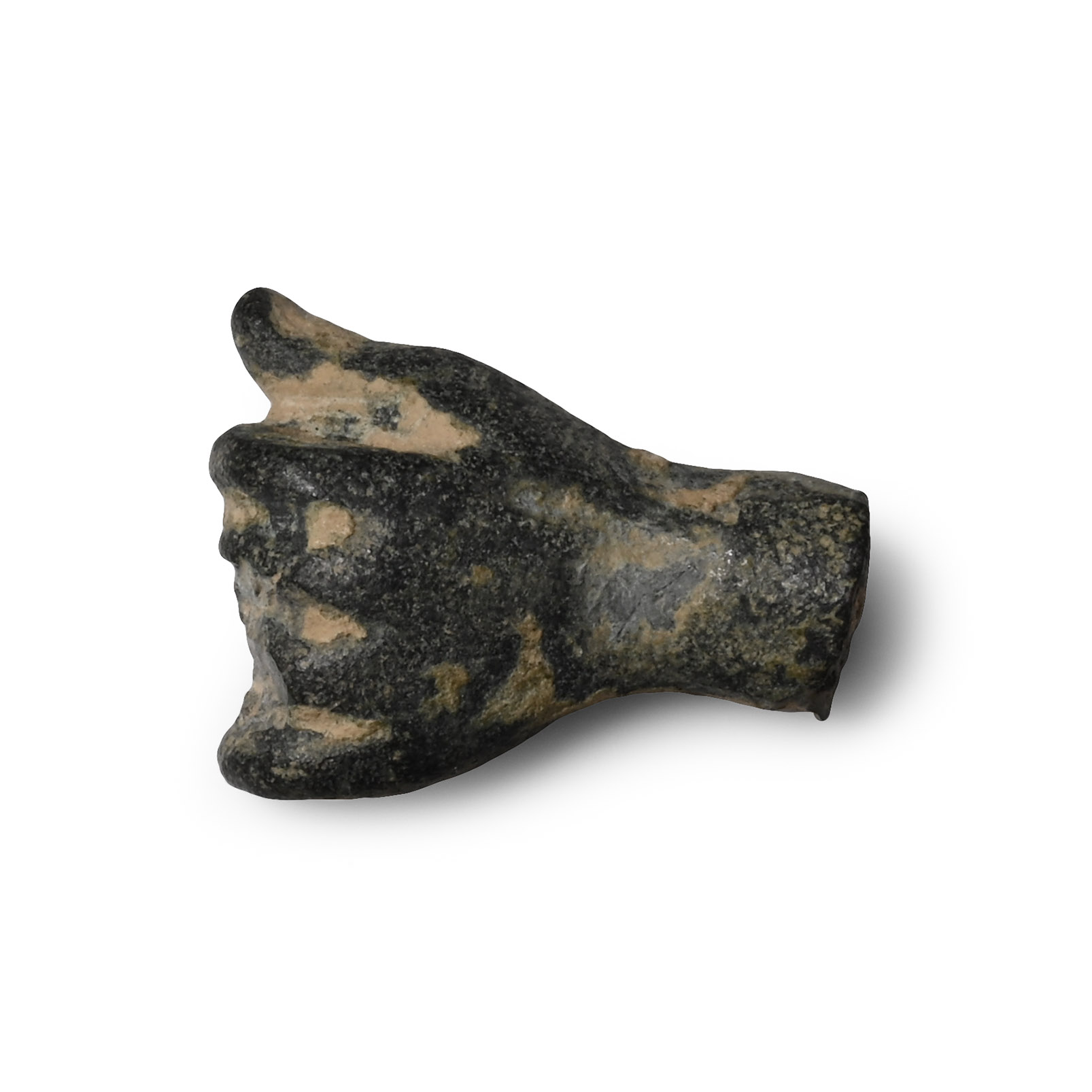
Roman Bronze Hand Weight
1ST-4TH CENTURY A.D.
5/8 in. (4.8 grams, 17 mm).
The left hand from a figurine modelled open beneath the thumb to accept a knife or tool; cut off for use as a weight. [No Reserve]
ProvenanceFrom the collection of a gentleman, acquired on the London art market in the 1990s.
CONDITIONTimeLine Auctions follows a vetting process to ensure the authenticity and legality of all items, reinforcing our commitment to integrity and responsible trading. Each antiquity, antique, and coin lot undergoes thorough examination by a vetting committee of at least ten external specialists, professional trade association members, scientists, and archaeologists: Our Vetting Process
AUCTIONS:
TimeLine is a leading auction house specialising in antiquities, ancient art, collectables, natural history, coins, medals, and books. Our auctions offer museums, collectors, historians, and enthusiasts the opportunity to acquire unique and historically significant pieces.
-
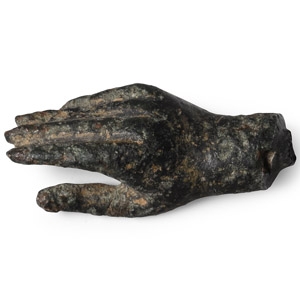
Roman Bronze Hand Weight
1st-4th century A.D.Sold for (Inc. bp): £98
Modelled in the round right hand with long slender fingers and thumb. 6.8 grams, 26 mm
From the collection of a gentleman, acquired on the London art market in the 1990s. -
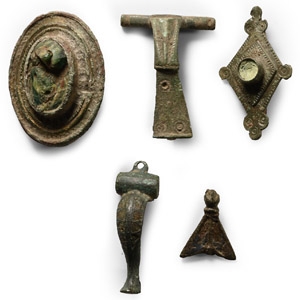
Roman Bronze Brooch Collection
1st-4th century A.D.Sold for (Inc. bp): £78
Including fly, knee, bow-and-fantail and other types. 27.3 grams total, 17-33 mm
Acquired on the European art market since the early 2000s. From the private Northern Ireland collection of R.M. -
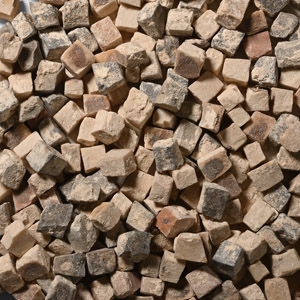
Roman Mosaic Stone Tesserae Group
1st-4th century A.D.Sold for (Inc. bp): £182
A mixed group of two hundred and fifty single tesserae of various colours and sizes, mostly cuboid. 349 grams total, 8-11 mm
From a collection acquired on the UK art market from various auction houses and collections mostly before 2000. From an important Cambridgeshire estate; thence by descent.
