
Loading, please wait...
LOT 0759
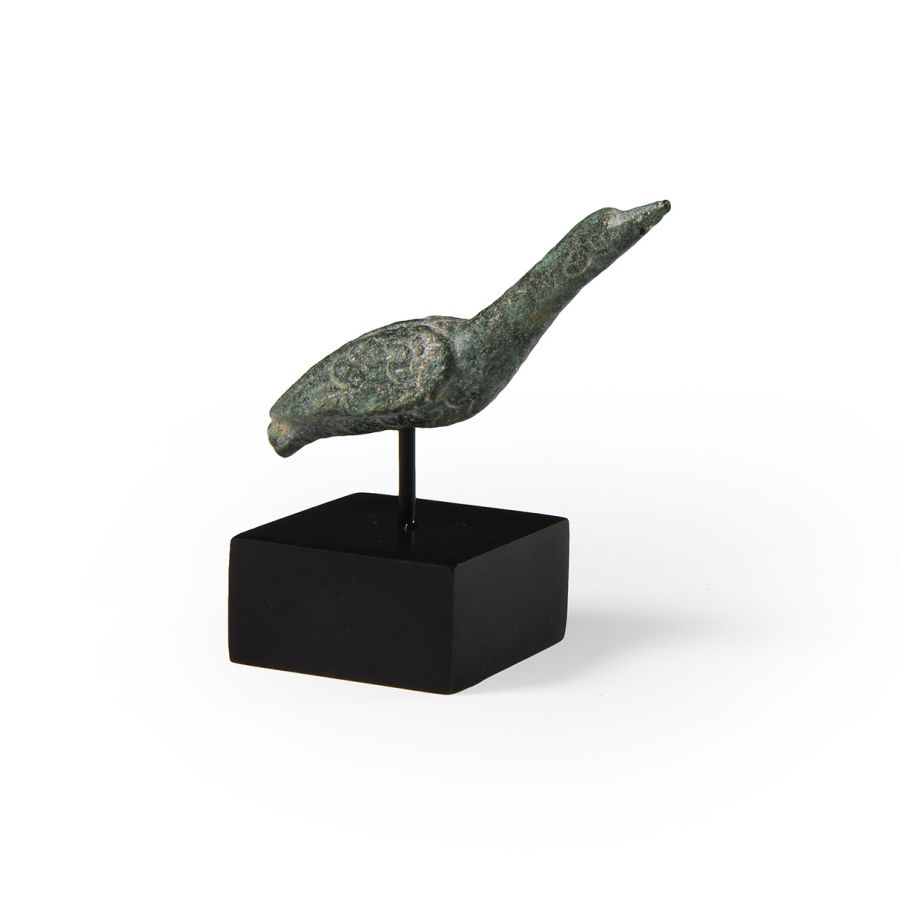
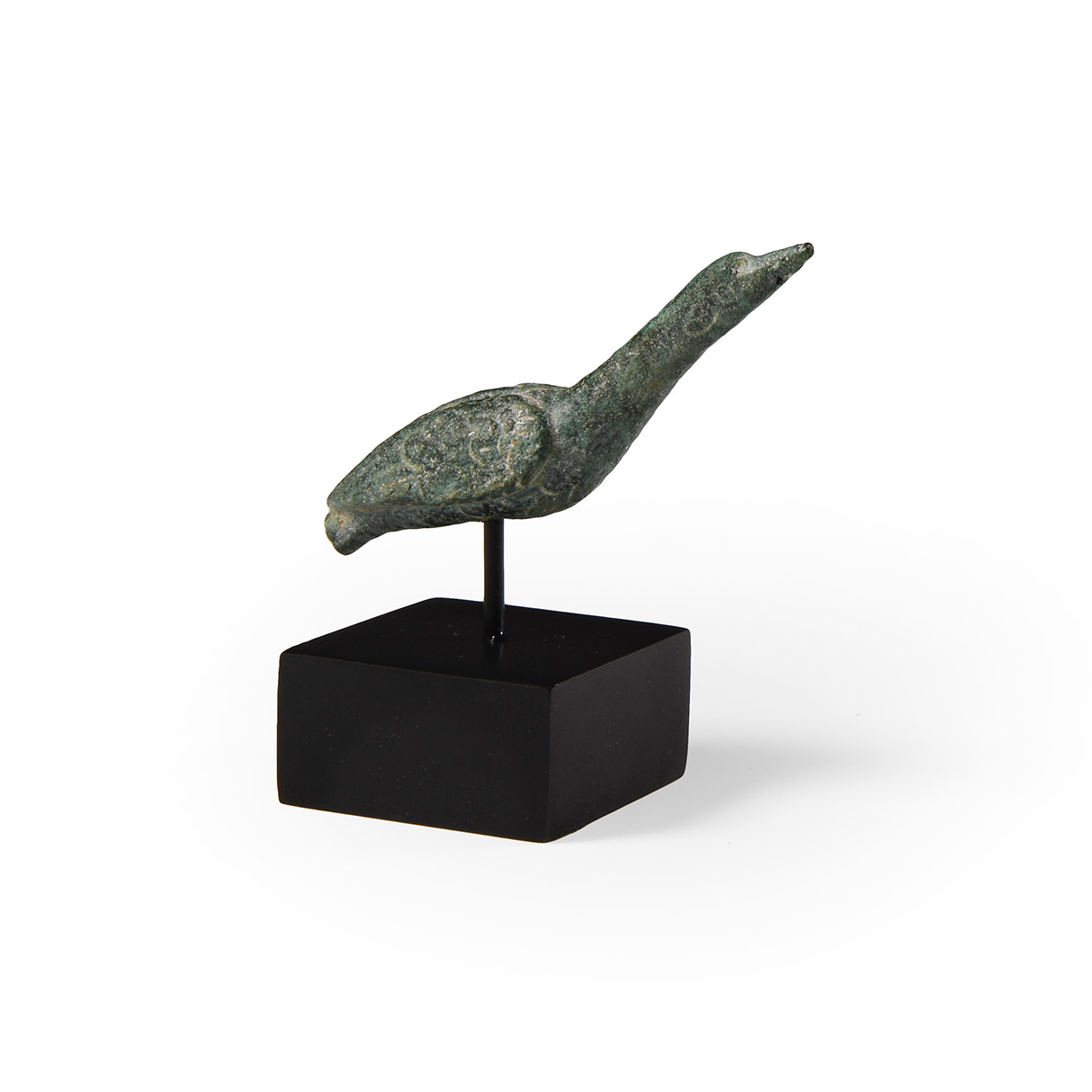
Roman Bronze Goose Finial
1ST-4TH CENTURY A.D.
2 1/2 in. (32.4 grams, 64 mm).
Modelled in the round with neck outstretched.
Provenance‘The Ancient Menagerie Collection’ formerly the property of a Cambridgeshire lady, collected since the 1990s and acquired from auctions and dealers throughout Europe and the USA, now ex London collection.
CONDITIONTimeLine Auctions follows a vetting process to ensure the authenticity and legality of all items, reinforcing our commitment to integrity and responsible trading. Each antiquity, antique, and coin lot undergoes thorough examination by a vetting committee of at least ten external specialists, professional trade association members, scientists, and archaeologists: Our Vetting Process
AUCTIONS:
TimeLine is a leading auction house specialising in antiquities, ancient art, collectables, natural history, coins, medals, and books. Our auctions offer museums, collectors, historians, and enthusiasts the opportunity to acquire unique and historically significant pieces.
-
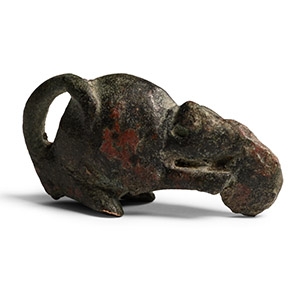
Roman Bronze Mouse Nibbling a Nut Statuette
1st-4th century A.D.Sold for (Inc. bp): £78
Modelled with naturalistic detailing on all fours nibbling at a nut held between the forepaws, tail curled upwards. 11.9 grams, 29 mm
‘The Ancient Menagerie Collection’ formerly the property of a Cambridgeshire lady, collected since the 1990s and acquired from auctions and dealers throughout Europe and the USA, now ex London collection. -
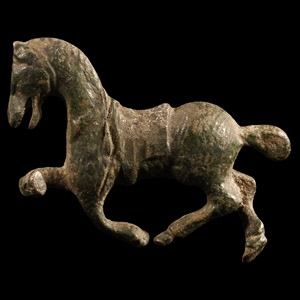
Roman Bronze Horse Statuette
1st-4th century A.D.Sold for (Inc. bp): £156
Modelled with naturalistic detailing; wearing a saddle and head collar. 13 grams, 34 mm wide
‘The Ancient Menagerie Collection’ formerly the property of a Cambridgeshire lady, collected since the 1990s and acquired from auctions and dealers throughout Europe and the USA, now ex London collection. -
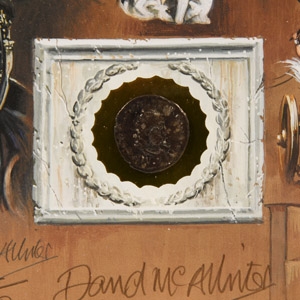
Roman Coin and Limited Edition Framed Print
3rd century A.D. and laterSold for (Inc. bp): £59
The coin mounted on 22 carat gold foil, framed with an art print signed by the artist David McAllister, depicting scenes of Roman military activity; limited edition number 22/1150. 1.3 kg, 36.5 x 49 cm
Essex gallery, early 2000s.
David McAllister's exciting design is a 'one of a kind' work that portrays the might and riches of the Roman civilisation. This limited edition print is a celebration of the award winning artist's lifetime dedication to historical paintings of the ancient world. To enhance appreciation of this rare and historic work, each individual print is signed and numbered by the artist.
