
Loading, please wait...
LOT 0915
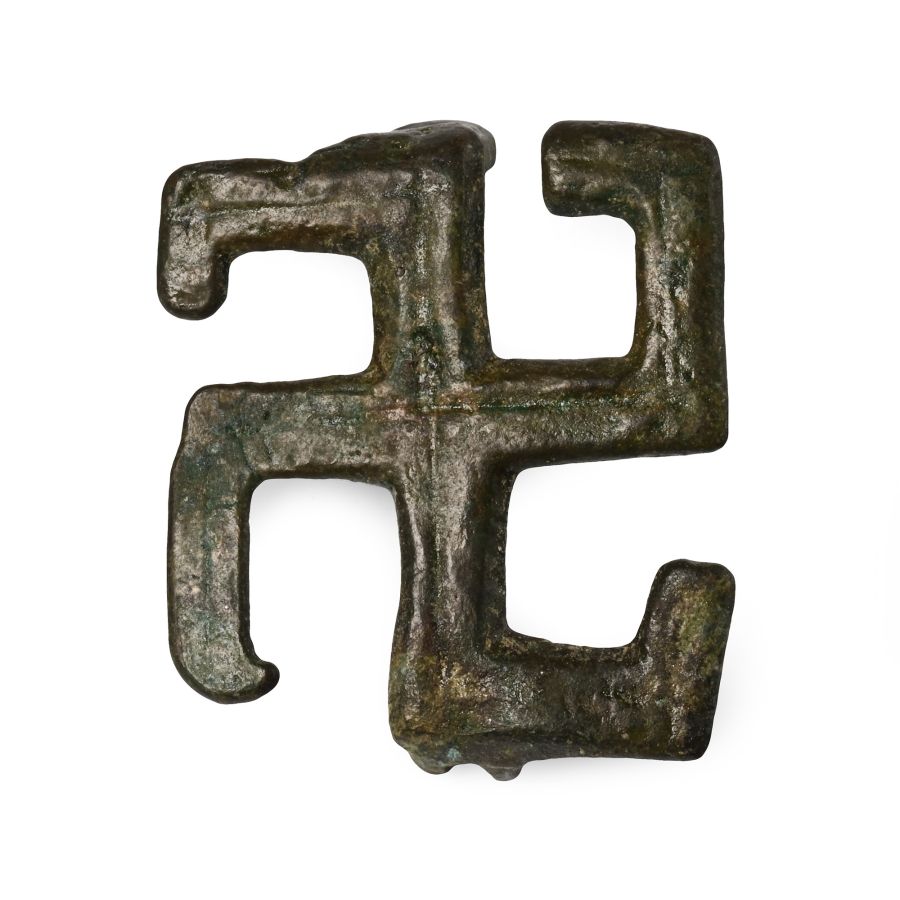
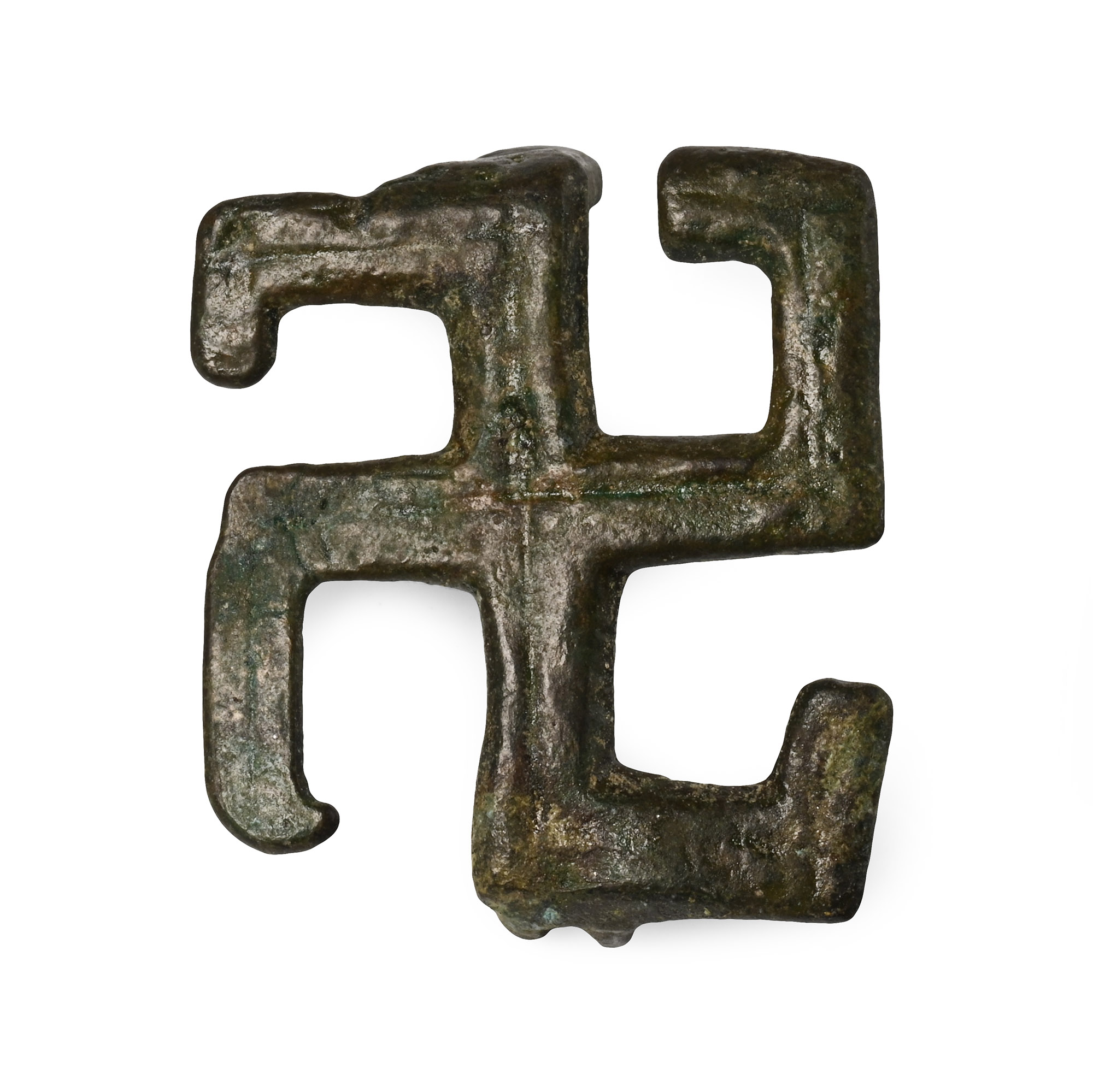
Roman Bronze Fylfot Brooch
4TH CENTURY A.D. OR LATER
1 1/4 in. (8.19 grams, 32 mm).
Plate brooch formed as a gammadion with four spurs at the hub, hinged pin and catch to the reverse. [No Reserve]
ProvenanceEx German art market, 2000s.
Acquired from an EU collector living in London.
From the collection of a Surrey, UK, gentleman.
Cf. Beck, H. et al., Fibel und Fibeltracht, Berlin, 2000, fig.112, item 20.
CONDITIONTimeLine Auctions follows a vetting process to ensure the authenticity and legality of all items, reinforcing our commitment to integrity and responsible trading. Each antiquity, antique, and coin lot undergoes thorough examination by a vetting committee of at least ten external specialists, professional trade association members, scientists, and archaeologists: Our Vetting Process
AUCTIONS:
TimeLine is a leading auction house specialising in antiquities, ancient art, collectables, natural history, coins, medals, and books. Our auctions offer museums, collectors, historians, and enthusiasts the opportunity to acquire unique and historically significant pieces.
-
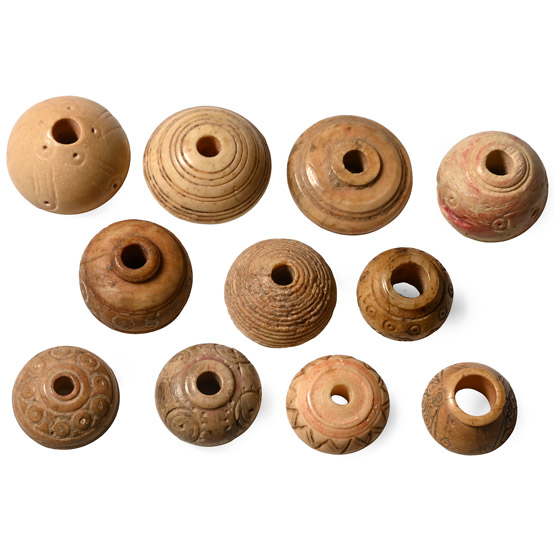
Roman Bone Spindle Whorl Collection
1st-4th century A.D.Sold for (Inc. bp): £182
Including plano-convex, ribbed and other types, some with ring-and-dot detailing. 45 grams total, 16-23 mm
From the collection of a Kent gentleman, formed from the 1990s. -
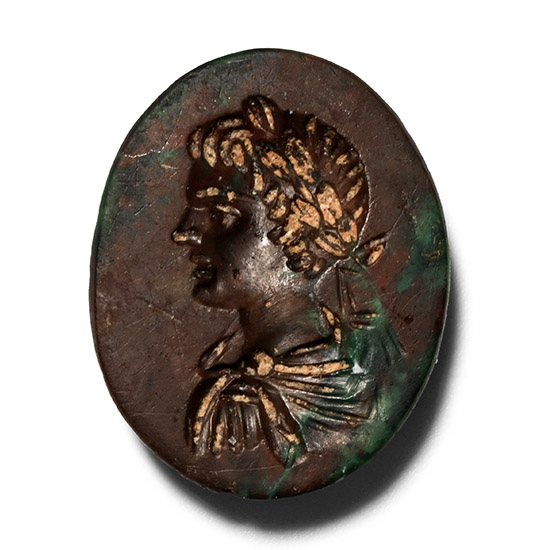
Roman Green Jasper Gemstone of Young Emperor Caracalla
Circa 198-217 A.D.Sold for (Inc. bp): £3,380
Incuse profile bust of a youth wearing a mantle secured at his chest, with a wreath in his tousled hair; probably Caracalla or Geta; supplied with a museum-quality impression. 0.63 grams, 14 mm
Private English collection, formed between the late 1970s and early 1990s. Private collection, London, UK. -
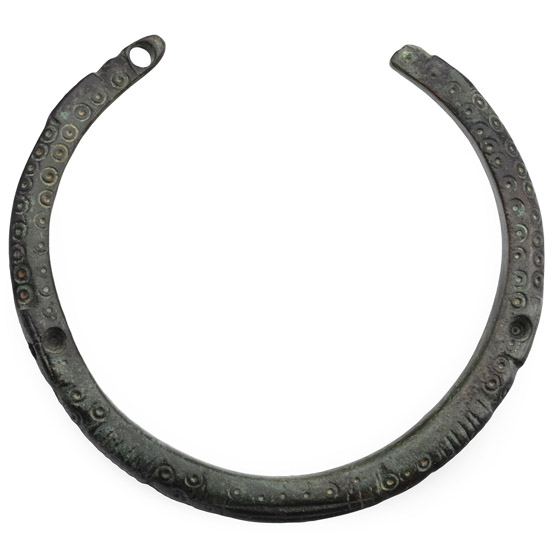
Roman Bronze Decorated Military Bracelet
1st-4th century A.D.Sold for (Inc. bp): £91
Thick and D-shaped in section with a median baluster, bands of ribbed and punched detailing, one end pierced. 37.9 grams, 70 mm
Ex German art market, 2000s. Acquired from an EU collector living in London. From the collection of a Surrey, UK, gentleman.
