
Loading, please wait...

LOT 0177
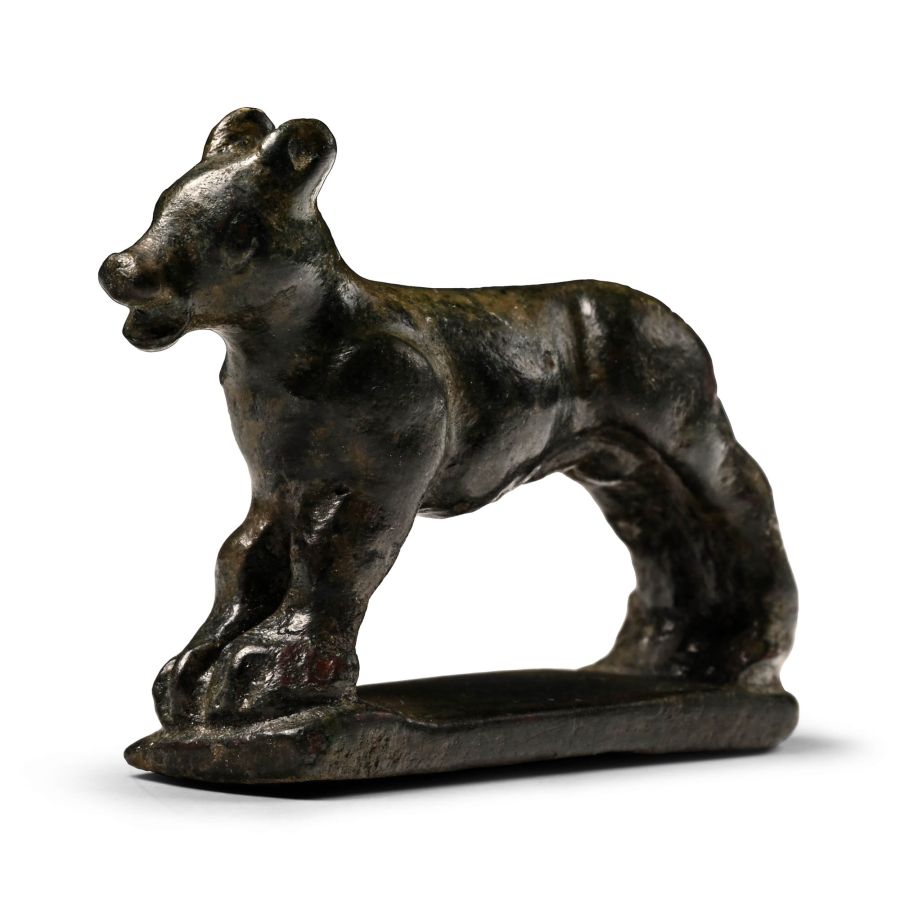
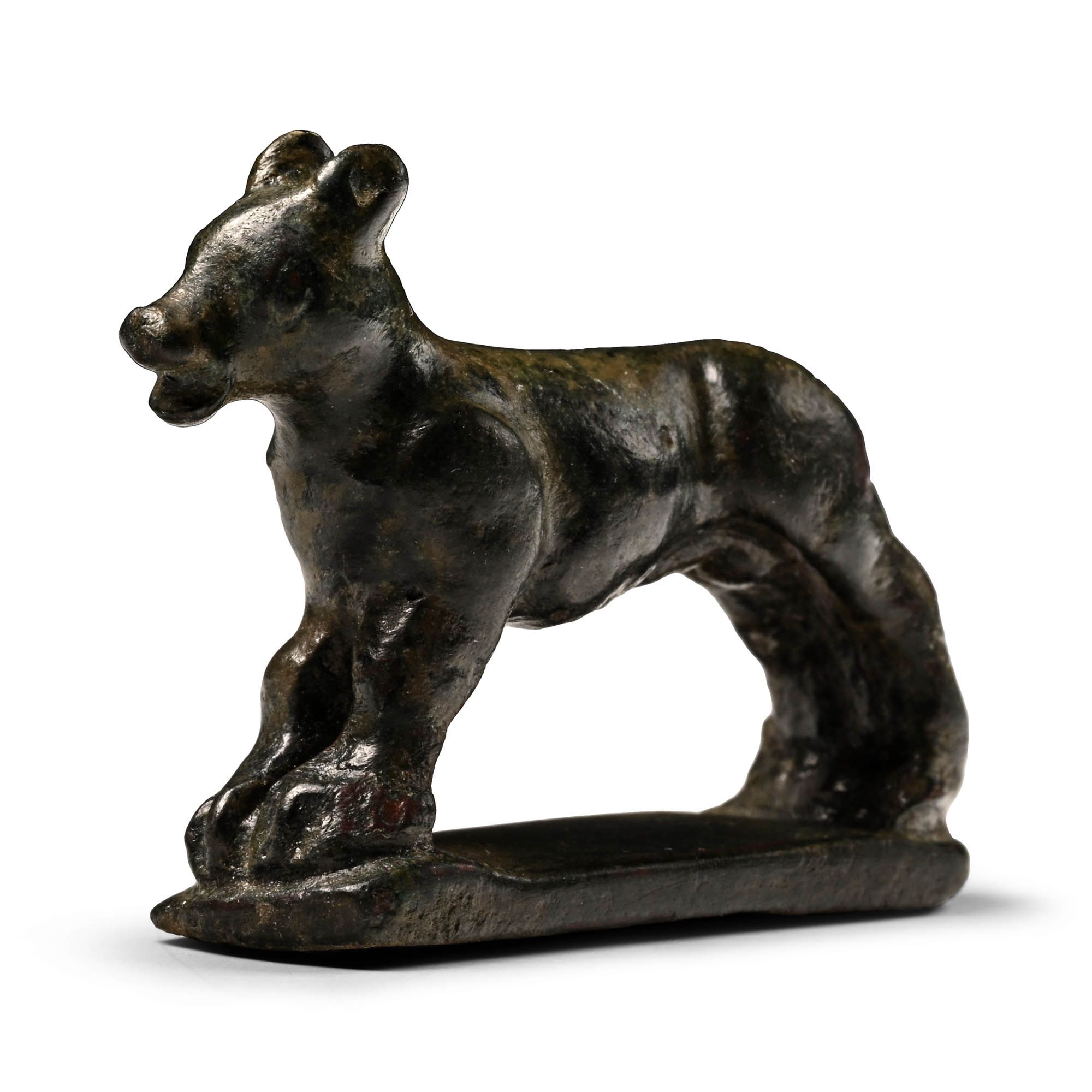
Roman Bronze Figure of a Hunting Dog
1ST-2ND CENTURY A.D.
1 5/8 in. (42.7 grams, 41 mm).
Modelled in the round on a tongue-shaped base with ears pricked and mouth open.
ProvenanceLeo Mildenbury collection, Zurich, Switzerland.
From the private collection of Mr K.A., acquired in the 1990s-early 2000s.
TimeLine Auctions follows a vetting process to ensure the authenticity and legality of all items, reinforcing our commitment to integrity and responsible trading. Each antiquity, antique, and coin lot undergoes thorough examination by a vetting committee of at least ten external specialists, professional trade association members, scientists, and archaeologists: Our Vetting Process
AUCTIONS:
TimeLine is a leading auction house specialising in antiquities, ancient art, collectables, natural history, coins, medals, and books. Our auctions offer museums, collectors, historians, and enthusiasts the opportunity to acquire unique and historically significant pieces.
-
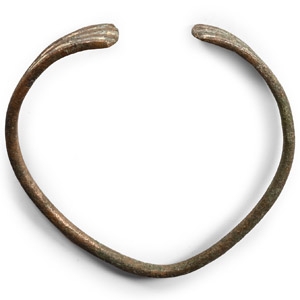
Roman Bronze Armilla Bracelet
1st-4th century A.D.Sold for (Inc. bp): £46
With flared triangular finials and divergent ribbing. 9.5 grams, 58 mm
UK private collection before 2000. Acquired on the UK art market. Property of a London gentleman. -
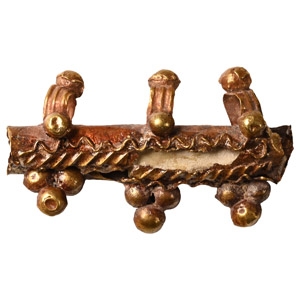
Roman Gold Amuletic Case
3rd-5th century A.D.Estimate: £150 - 200 (+bp*)
Opening Bid: £80
Hollow-formed sheet gold sleeve with three ribbed suspension loop with applied granules, granule clusters to the lower edge, corrugated surface and applied filigree trails. 2.34 grams, 33 mm
Collected from 1970-1999. From the collection of the late Mr S.M., London, UK. -
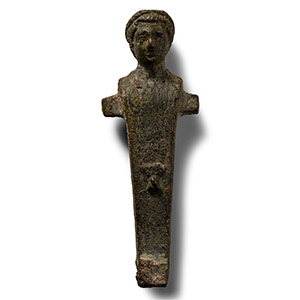
Roman Bronze Herm Statuette
1st-4th century A.D.Sold for (Inc. bp): £390
The shank square in section and tapering with youthful male head, stub arms, clavii to the chest and male genitals. 116 grams, 92 mm
From the collection of a gentleman, acquired on the London art market in the 1990s.
