
Loading, please wait...
LOT 0863
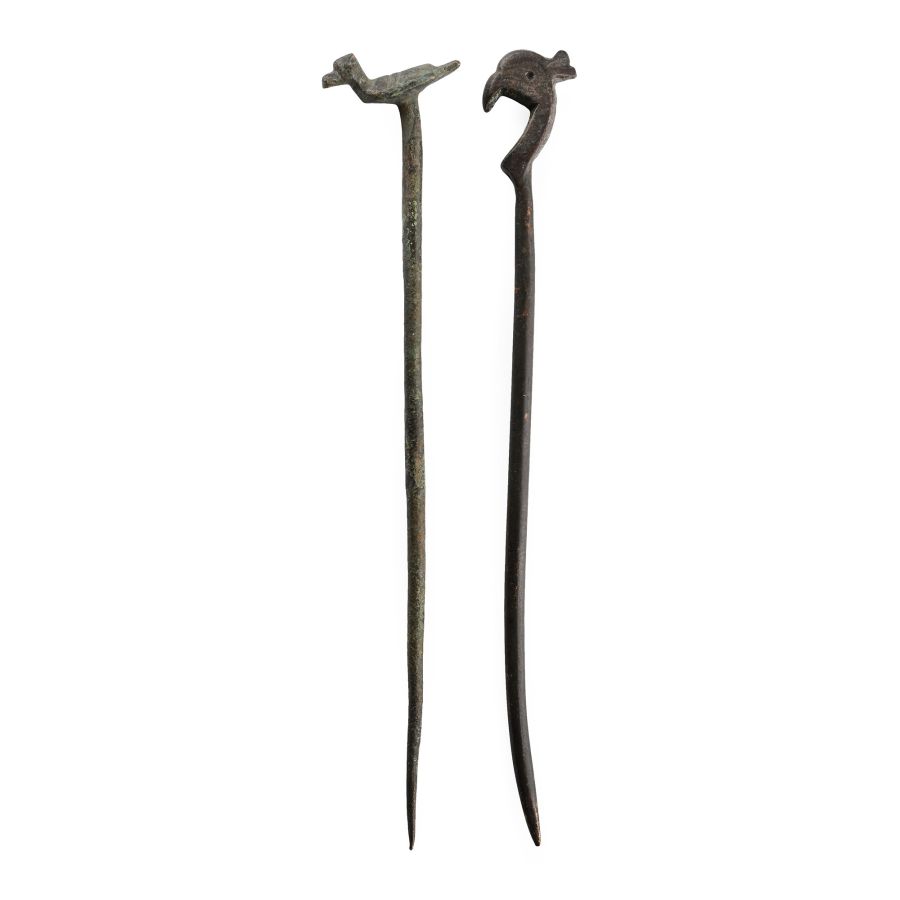
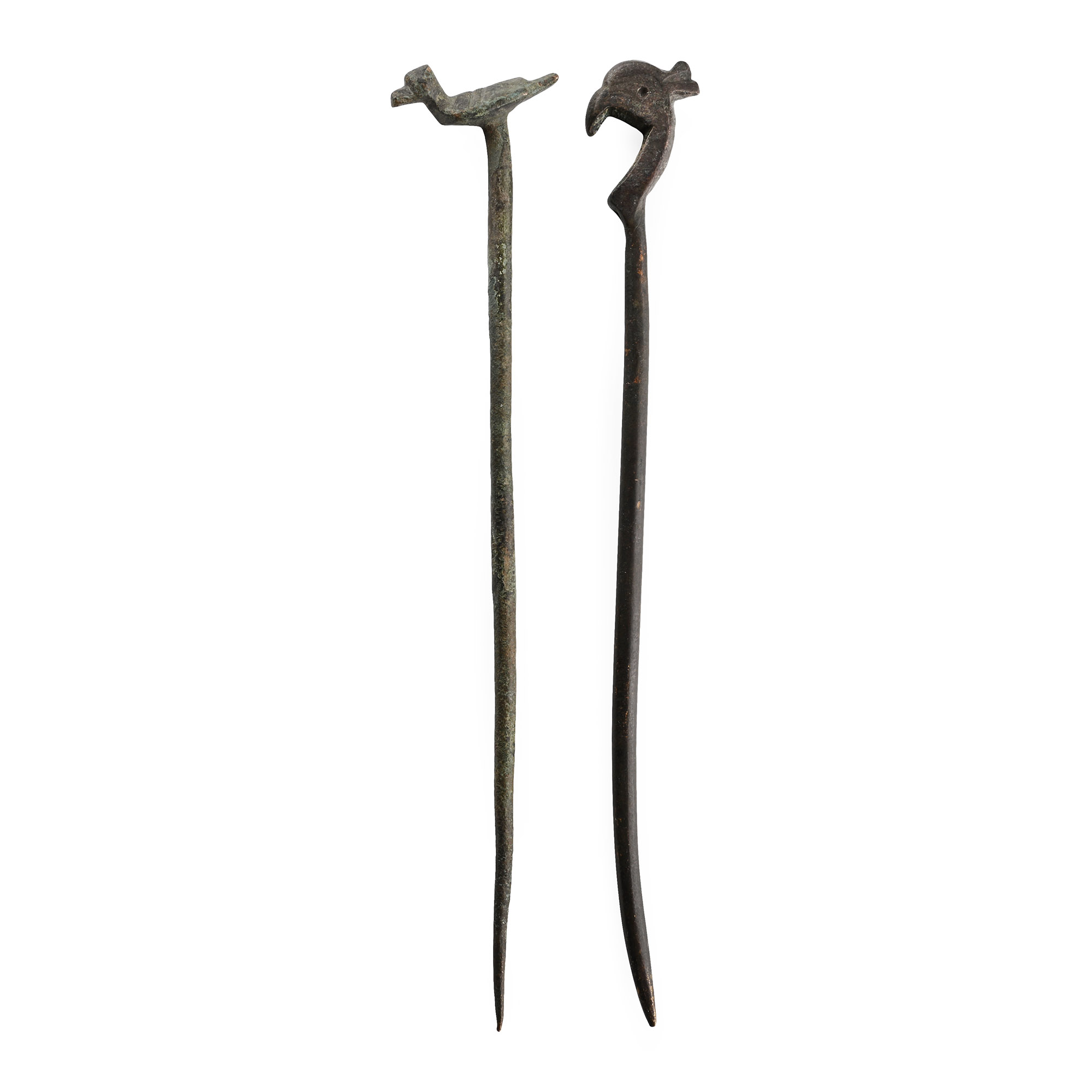
Roman Bronze Dress Pin Collection
1ST-4TH CENTURY A.D.
4 1/4 - 4 3/4 in. (29.6 grams total, 10.8-12 cm).
Each comprising of round-section tapering body with zoomorphic head; one with profile of a peacock's head, one formed as a water bird with folded wings and ribbed tail. [2, No Reserve]
ProvenanceEx property of an Essex, UK, gentleman collector.
From the private collection of a Colchester, UK, gentleman.
TimeLine Auctions follows a vetting process to ensure the authenticity and legality of all items, reinforcing our commitment to integrity and responsible trading. Each antiquity, antique, and coin lot undergoes thorough examination by a vetting committee of at least ten external specialists, professional trade association members, scientists, and archaeologists: Our Vetting Process
AUCTIONS:
TimeLine is a leading auction house specialising in antiquities, ancient art, collectables, natural history, coins, medals, and books. Our auctions offer museums, collectors, historians, and enthusiasts the opportunity to acquire unique and historically significant pieces.
-
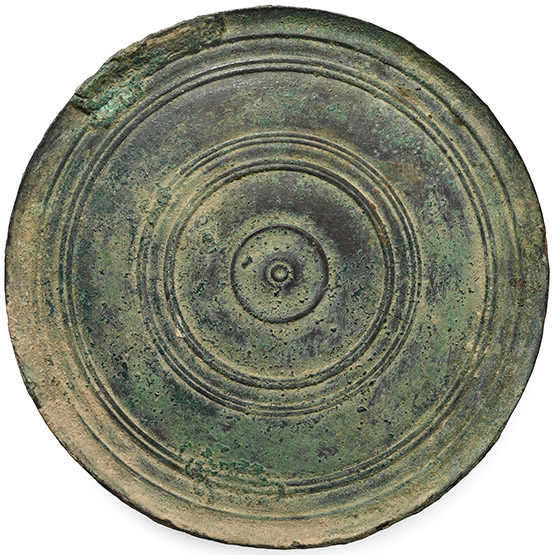
Roman Bronze Mirror
1st-3rd century A.D.Sold for (Inc. bp): £130
Discoid with raised rim and bands of concentric ribs; plain underside. 125 grams, 10 cm
Ex collection Mr K.H., Germany. Private collection, acquired in 2012. -

Roman and Byzantine Bronze Artefact Collection
3rd-6th century A.D.Sold for (Inc. bp): £85
Comprising of a large bow brooch, small brooch formed as a bird with folded wings and wide expanding tail, two buckle plates with stylized zoomorphic creature. 43 grams total, 32-91 mm
From the stock of a former UK antiquarian, acquired at trade fairs and from private collection formed in the 1980s-1990s. Private collection, Europe. -
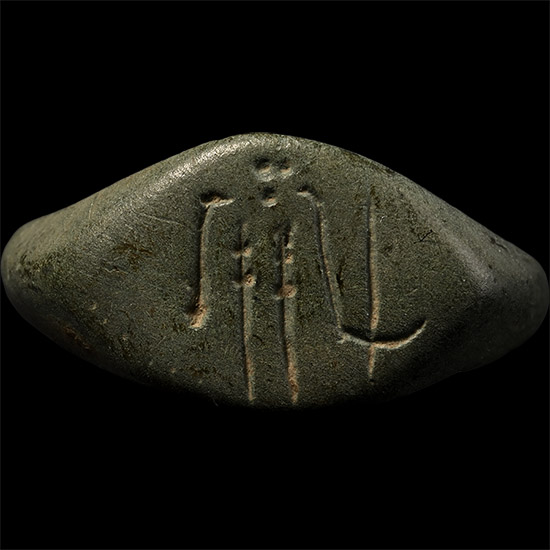
Late Roman Ring with Warrior
3rd century A.D.Sold for (Inc. bp): £338
With a slender D-section hoop and a lentoid bezel with a stylised figure holding a spear. 5.19 grams, 24.17 mm overall, 19.97 mm internal diameter (approximate size British U, USA 10, Europe 22.52, Japan 21)
Acquired on the UK and EU art market before 2000. From the private collection of a Surrey, UK, gentleman.
This ring belongs to a particular category of Late Roman rings which have a thin and flat sectioned shank with variously decorated bezels, in this case, probably a reference to the iconography of the god Mars.
