
Loading, please wait...
LOT 0667
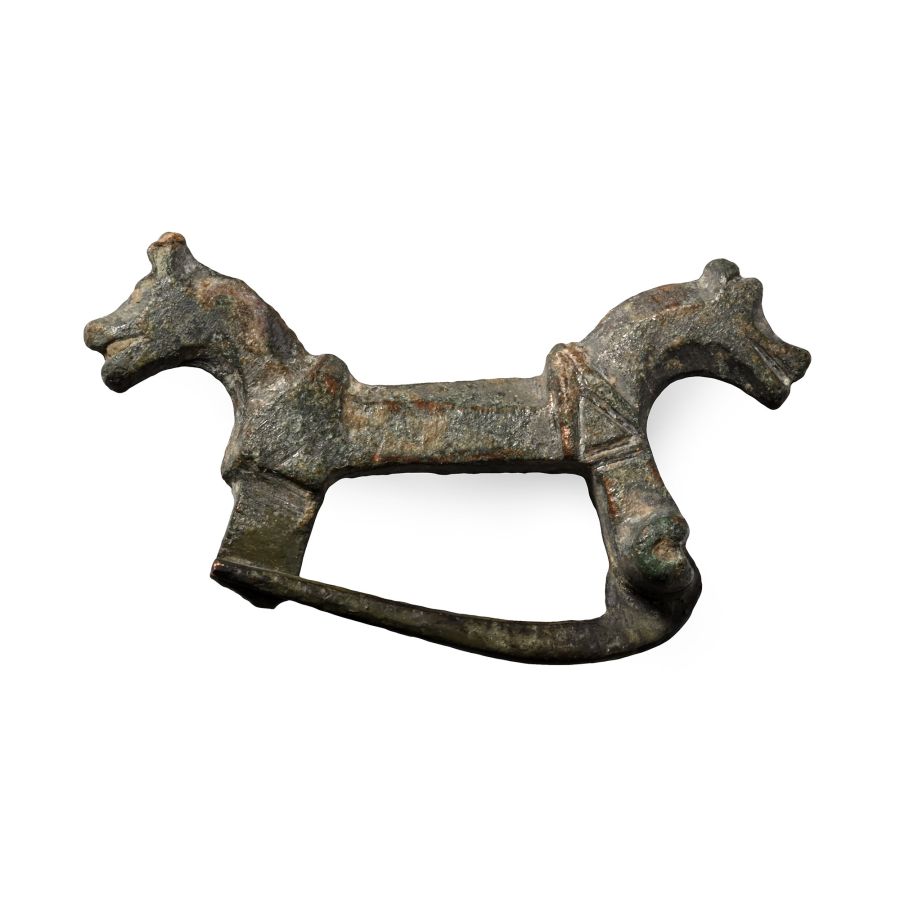
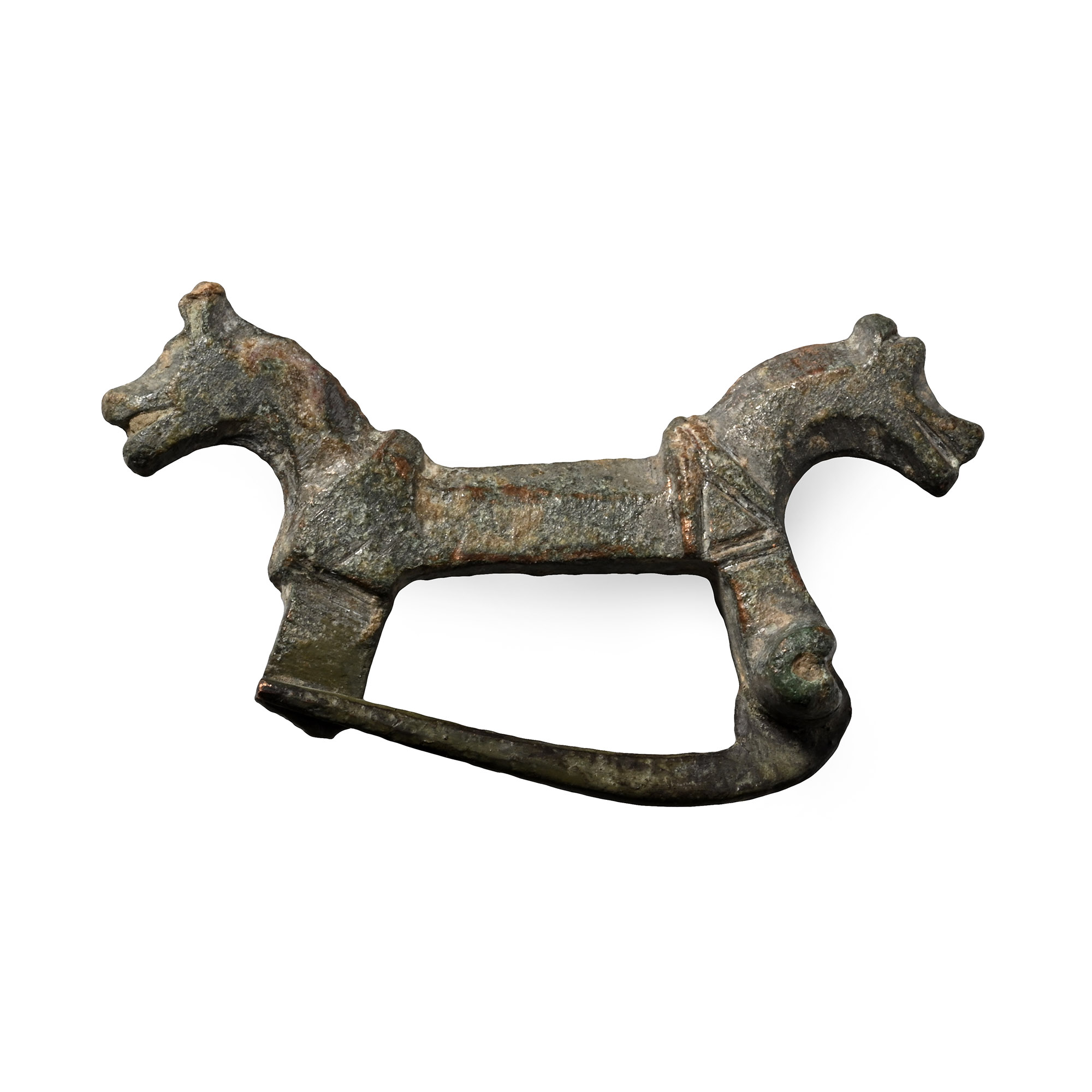
Roman Bronze Double-Horse Brooch
4TH-5TH CENTURY A.D.
1 5/8 in. (9.68 grams, 41 mm).
Bow brooch formed as an arch with addorsed horse-heads with notched detailing, pin and catchplate below. [No Reserve]
ProvenanceFrom the private coin collection of a West London, UK, gentleman, formed since the mid 1980s.
CONDITIONTimeLine Auctions follows a vetting process to ensure the authenticity and legality of all items, reinforcing our commitment to integrity and responsible trading. Each antiquity, antique, and coin lot undergoes thorough examination by a vetting committee of at least ten external specialists, professional trade association members, scientists, and archaeologists: Our Vetting Process
AUCTIONS:
TimeLine is a leading auction house specialising in antiquities, ancient art, collectables, natural history, coins, medals, and books. Our auctions offer museums, collectors, historians, and enthusiasts the opportunity to acquire unique and historically significant pieces.
-
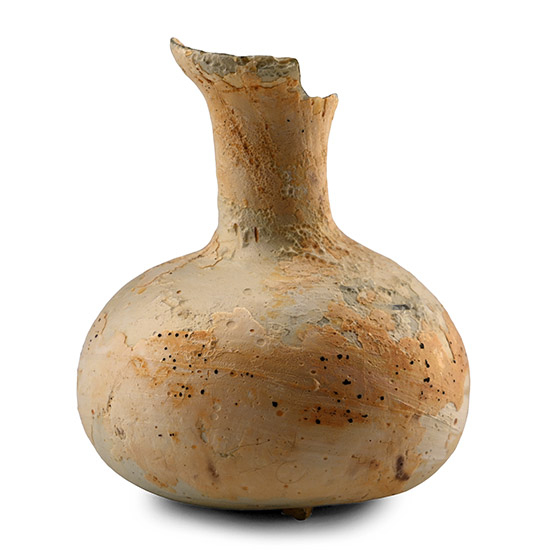
Roman Opaque White Glass Unguentarium
1st-4th century A.D.Estimate: £120 - 170 (+bp*)
Opening Bid: £67
Squat in profile with tall, trumpet-style neck and everted rim. 10.4 grams, 41 mm
From a specialist collection of glass, acquired from dealerships during the 1990s. -
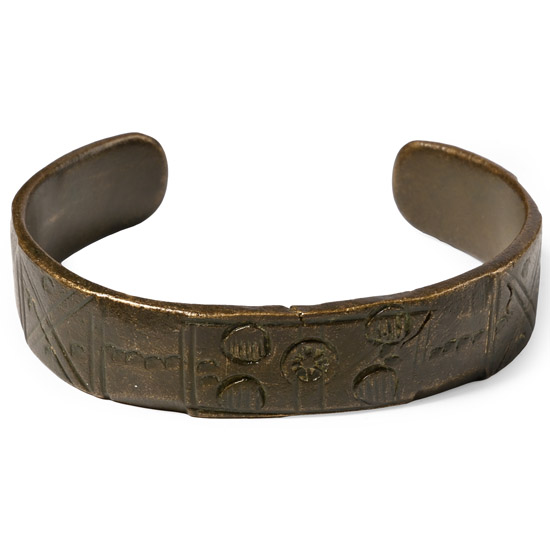
Late Roman Bronze Decorated Bracelet
5th-6th century A.D.Sold for (Inc. bp): £85
Penannular bracelet with rounded terminals, the upper face decorated with annulets and X-motifs, five large circlets with hatching at the centre. 30.2 grams, 57 mm
Ex German art market, 2000s. Acquired from an EU collector living in London. From the collection of a Surrey, UK, gentleman. -
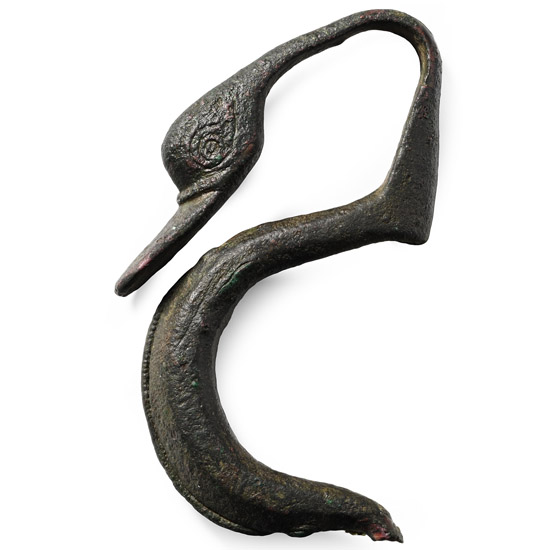
Romano-Celtic Bronze Swan-Necked Bow Brooch
1st-2nd century A.D.Sold for (Inc. bp): £117
Comprising a deep bow with a raised ridge, an integral catchplate extending to a curving swan-neck, the head with detailed eyes and a ribbed raised band at the junction of the head and beak. 32.6 grams, 65 mm
From the private coin collection of a West London, UK, gentleman, formed since the mid 1980s.
