
Loading, please wait...

LOT 0891
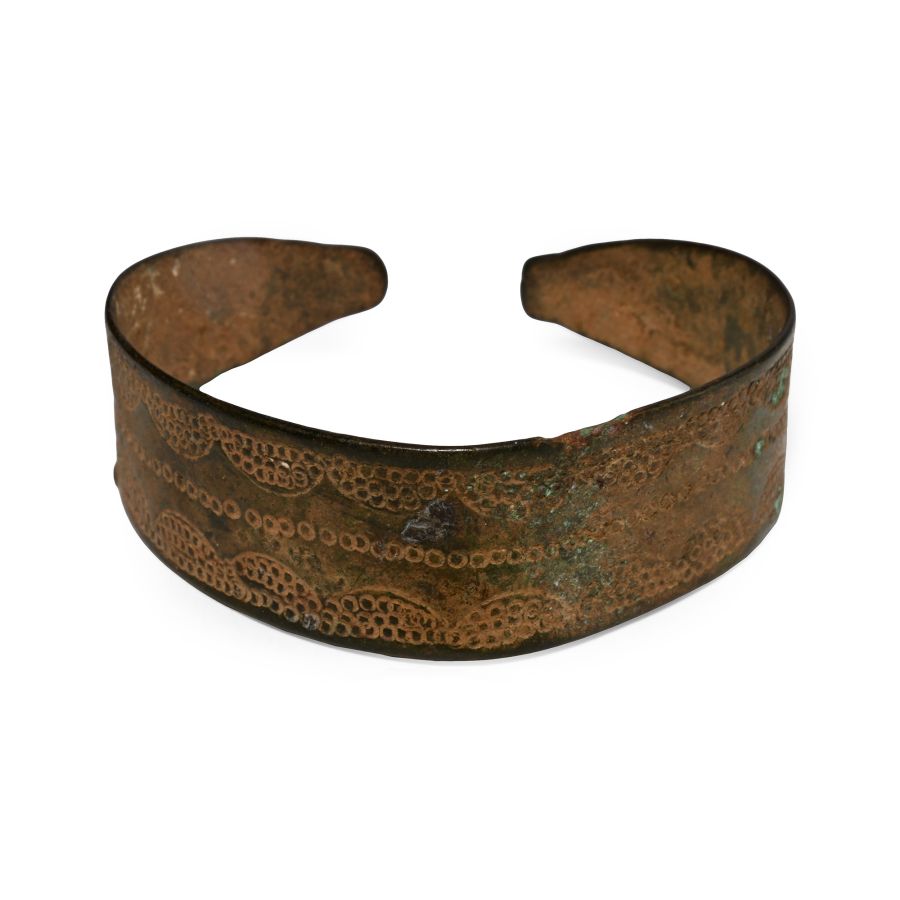
Roman Bronze Decorated Bracelet
1ST-4TH CENTURY A.D.
2 1/8 in. (19.97 grams, 55 mm).
Flat in section with tapering rounded opposed ends; scalloped median band on a pounced field with median punched-pellet centreline. [No Reserve]
ProvenanceFrom the private collection of Mr Brian Edwards, New Malden, Surrey, UK, formed from the late 1970s-early 1980s; thence by descent.
Accompanied by the original collector's data sheet(s) with reference no.A88.
TimeLine Auctions follows a vetting process to ensure the authenticity and legality of all items, reinforcing our commitment to integrity and responsible trading. Each antiquity, antique, and coin lot undergoes thorough examination by a vetting committee of at least ten external specialists, professional trade association members, scientists, and archaeologists: Our Vetting Process
AUCTIONS:
TimeLine is a leading auction house specialising in antiquities, ancient art, collectables, natural history, coins, medals, and books. Our auctions offer museums, collectors, historians, and enthusiasts the opportunity to acquire unique and historically significant pieces.
-
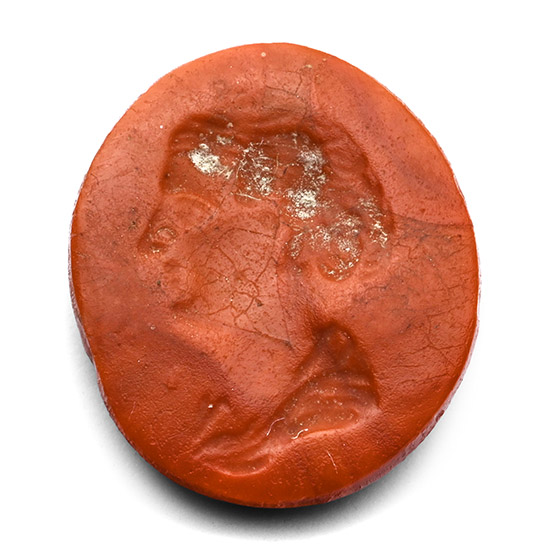
Roman Jasper Gemstone with Female Bust
2nd century A.D.Sold for (Inc. bp): £46
Ellipsoid in plan with an incuse female profile bust. 1.03 grams, 15 mm
Property of a European gentleman, acquired from the estate of a London collector (formed before 2000). -
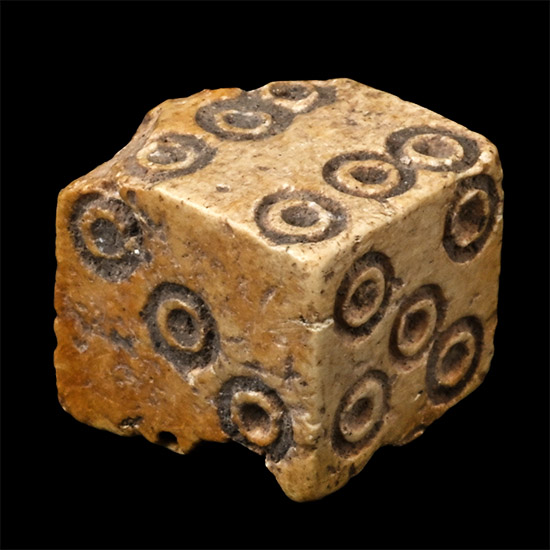
Roman Bone Gaming Die
Circa 1st-4th century A.D.Sold for (Inc. bp): £143
Cuboid dice with ring-and-dot markings disposed 1:6, 2:5, 3:4. 2.2 grams, 12 mm
Ex Cambridgeshire, UK, collection, 1990s. -
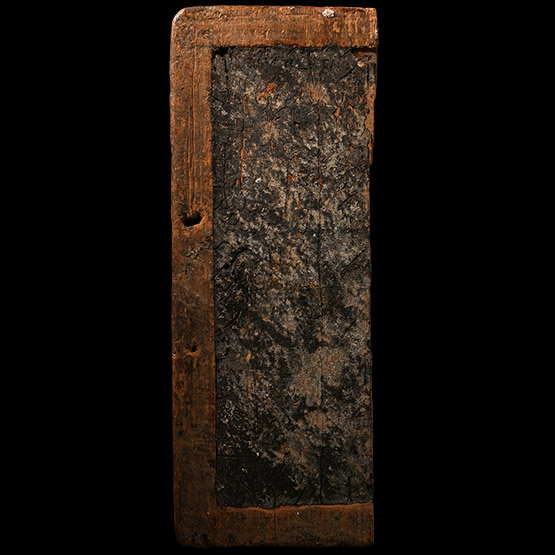
Roman Wooden Wax Tablet Fragment Written in Greek
Circa 3rd-4th century A.D.Sold for (Inc. bp): £1,430
Part of a wax tablet with two holes in the frame for fastening, Greek writing. 45.45 grams, 18.6 x 7.2 cm
Property of a North London gentleman; previously in the Dean family collection since 1975.
Wax tablets written in Greek or Latin, were used by Romans as account registers (codices accepti et expensi); for transactions (for example, the tablets of the banker Lucius Caecilius Iucundus found in Pompeii); for lists of goods, inventories, and notes to be kept and archived; for Roman magistrates to annotate the salient events of their bureaucratic activities; for writing letters; for drawing up legal texts of various kinds: legacies, declarations of births and citizenship, reports of trials and diplomata militaria.
