
Loading, please wait...
LOT 0649
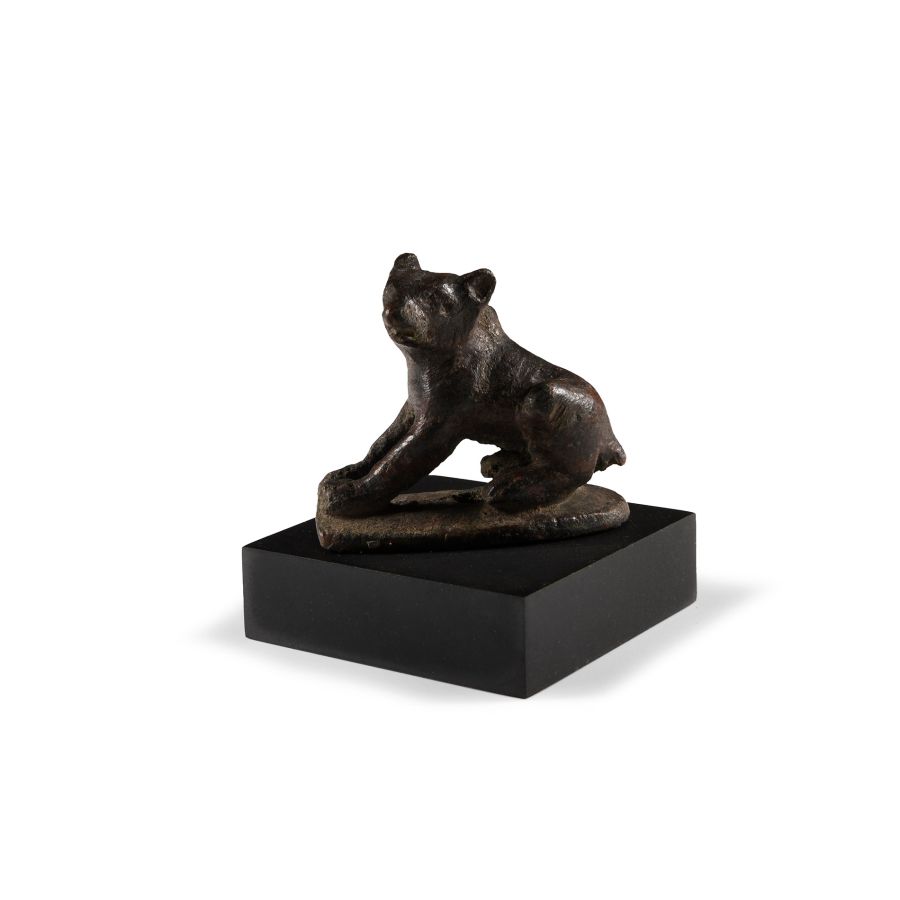
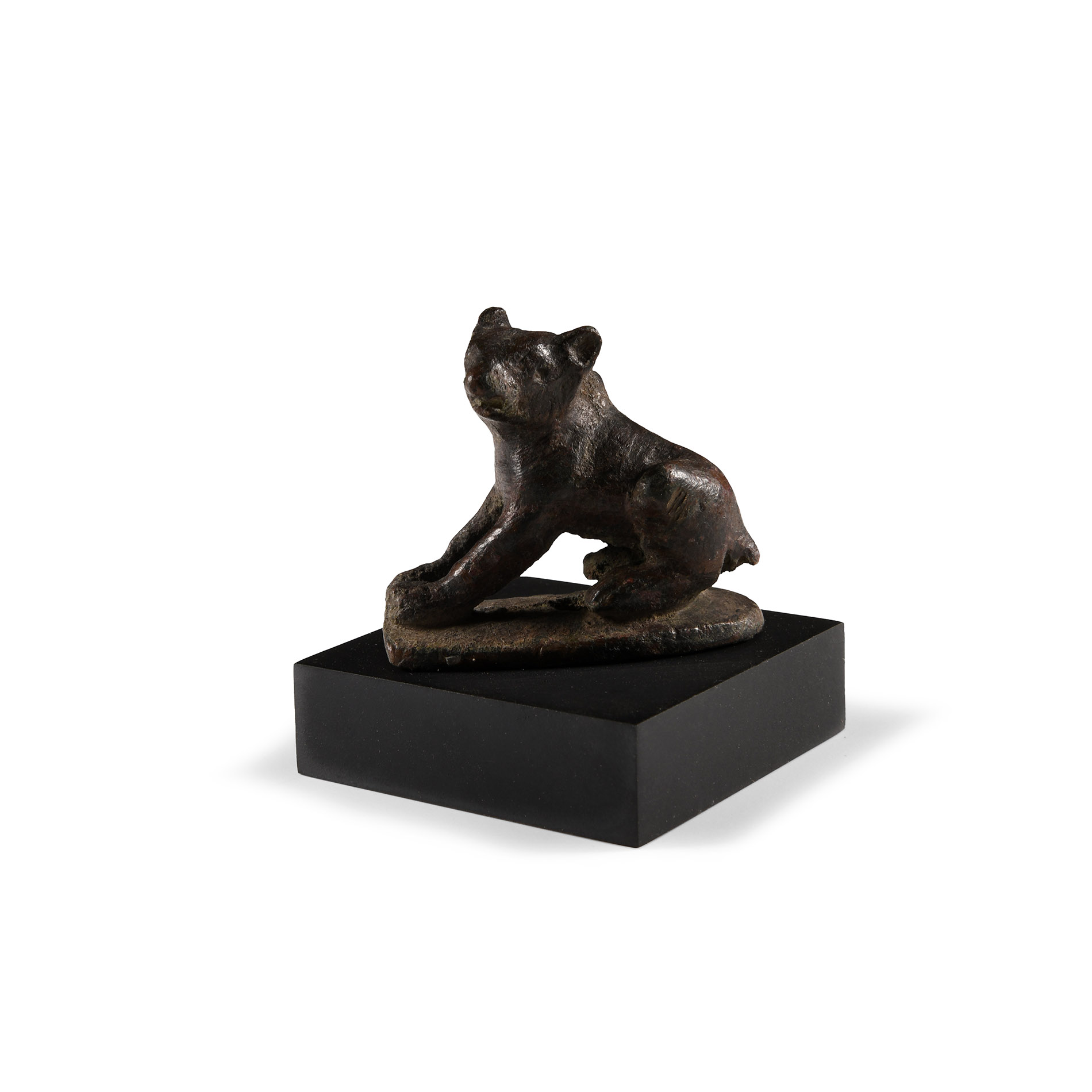
Roman Bronze Crouching Bear Mascot Figure
1ST-4TH CENTURY A.D.
1 7/8 in. (65 grams, 47 mm).
Formed in the round on a curved base, semi-naturalistic anatomical and facial detailing; circular socket to base of neck and base for insertion of a banner rod.
Provenance‘The Ancient Menagerie Collection’ formerly the property of a Cambridgeshire lady, collected since the 1990s and acquired from auctions and dealers throughout Europe and the USA, now ex London collection.
CONDITIONTimeLine Auctions follows a vetting process to ensure the authenticity and legality of all items, reinforcing our commitment to integrity and responsible trading. Each antiquity, antique, and coin lot undergoes thorough examination by a vetting committee of at least ten external specialists, professional trade association members, scientists, and archaeologists: Our Vetting Process
AUCTIONS:
TimeLine is a leading auction house specialising in antiquities, ancient art, collectables, natural history, coins, medals, and books. Our auctions offer museums, collectors, historians, and enthusiasts the opportunity to acquire unique and historically significant pieces.
LOT 0649
Roman Bronze Crouching Bear Mascot Figure
Estimate £600 - 800€700 - 930 (for guidance only)$810 - 1,080 (for guidance only)
-
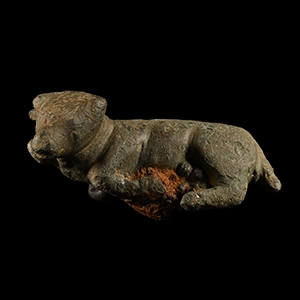
Roman Bronze Statuette of a Reclining Bull
1st-2nd century A.D.Sold for (Inc. bp): £72
Modelled in the round with semi-naturalistic anatomical and coat detailing, remains of an iron fixing to the underside; held in a plastic museum services box. 62 grams, 49 mm
Found Berkshire, UK. -
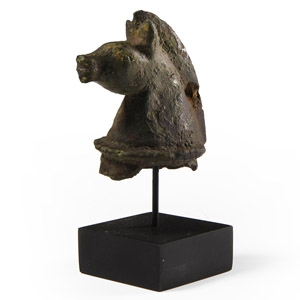
Roman Bronze Horse Head Protome
1st-4th century A.D.Estimate: £200 - 300 (+bp*)
Opening Bid: £111
Modelled with naturalistic detailing with signs of attachment. 102 grams, 46 mm
‘The Ancient Menagerie Collection’ formerly the property of a Cambridgeshire lady, collected since the 1990s and acquired from auctions and dealers throughout Europe and the USA, now ex London collection. -
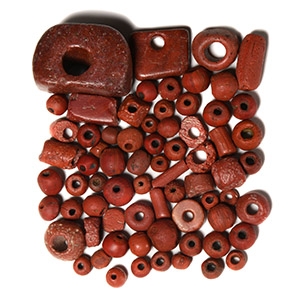
Roman Red Glass and Jasper Bead Collection
1st century A.D. or laterSold for (Inc. bp): £98
Comprising mostly small round red beads, with a few larger examples and other shapes; all pierced for stringing. 55 grams total, 6-28 mm
UK gallery, early 2000s.
