
Loading, please wait...
LOT 1082
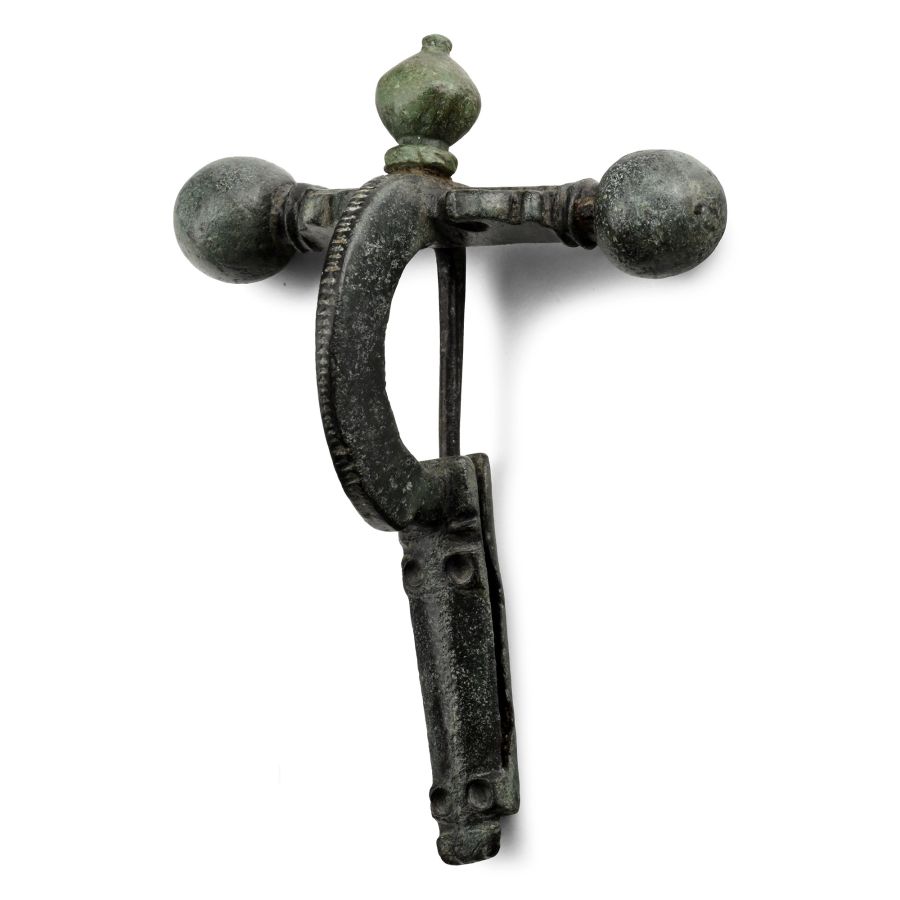
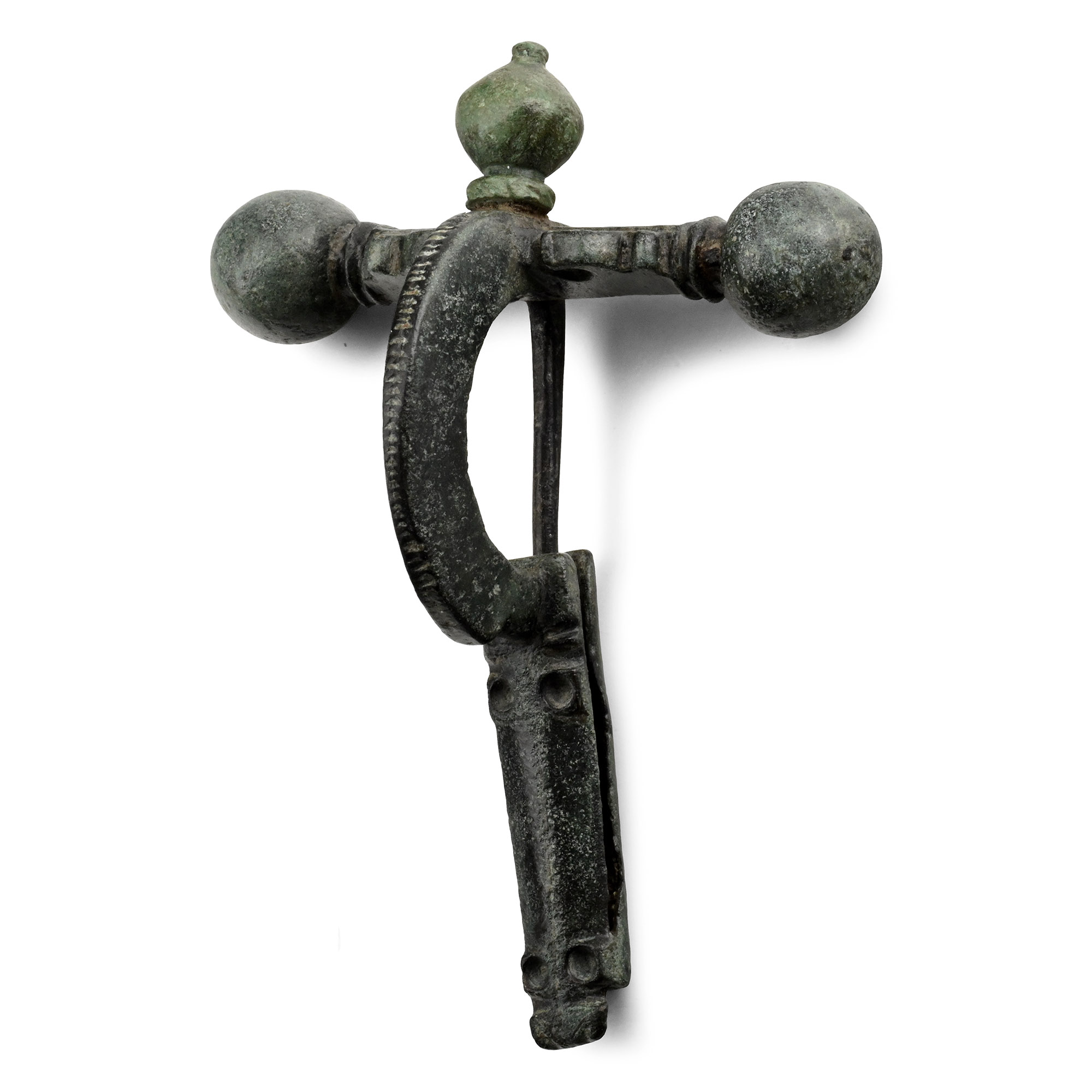
Roman Bronze Crossbow Brooch
4TH CENTURY A.D.
3 in. (50.8 grams, 76 mm).
With onion-knop apex finial and bulb-knops on either side, gusset to the bow, chamfered sections to the foot, hinged pin to the reverse. [No Reserve]
ProvenanceEx German art market, 2000s.
Acquired from an EU collector living in London.
From the collection of a Surrey, UK, gentleman.
Cf. Beck, H. et al., Fibel und Fibeltracht, Berlin, 2000, fig.119(7), for type.
CONDITIONTimeLine Auctions follows a vetting process to ensure the authenticity and legality of all items, reinforcing our commitment to integrity and responsible trading. Each antiquity, antique, and coin lot undergoes thorough examination by a vetting committee of at least ten external specialists, professional trade association members, scientists, and archaeologists: Our Vetting Process
AUCTIONS:
TimeLine is a leading auction house specialising in antiquities, ancient art, collectables, natural history, coins, medals, and books. Our auctions offer museums, collectors, historians, and enthusiasts the opportunity to acquire unique and historically significant pieces.
-
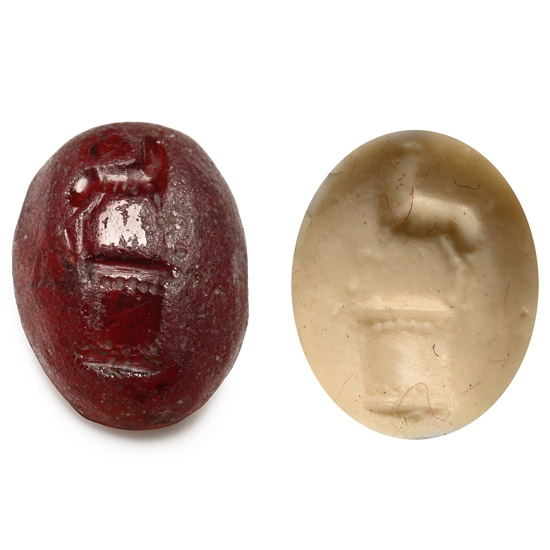
Roman Glass Gem with She-Wolf
2nd-3rd century A.D.Sold for (Inc. bp): £72
With intaglio lupa she-wolf on a pedestal; supplied with a museum-quality impression. 0.76 grams, 12.01 mm
From the private collection of a European gentleman (1942-2024), formed since the 1970s. -
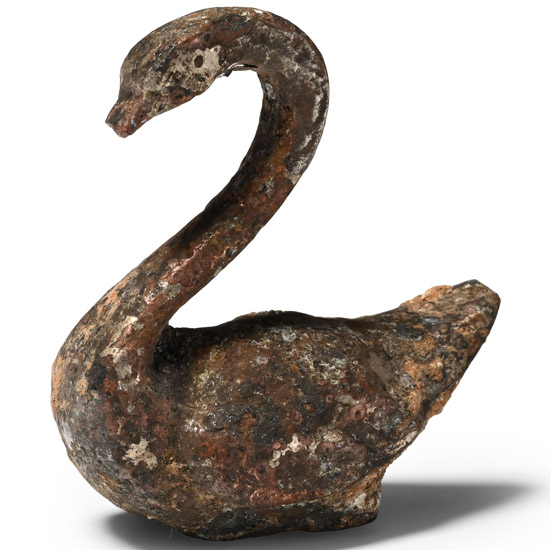
Roman Silvered Bronze Statuette of a Swan
1st-4th century A.D.Sold for (Inc. bp): £176
Modelled in the round with extended arched neck, flat underside. 38.34 grams, 38.58 mm
Ex London, UK, gentleman's collection by descent, 1980s. -
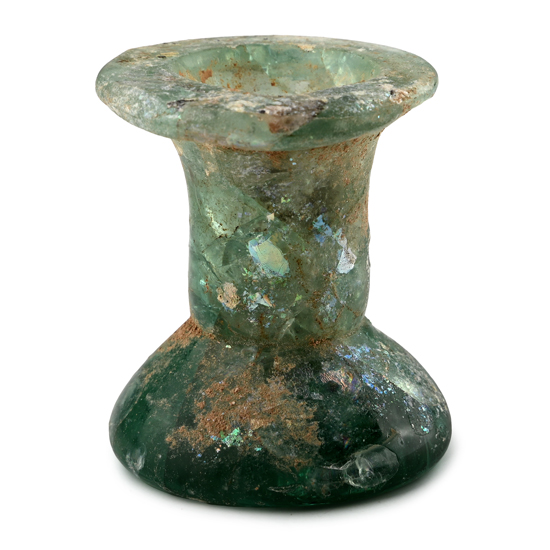
Roman Dark Green Glass Cotton-Reel Jar
1st-2nd century A.D.Sold for (Inc. bp): £117
Squat in profile with flared body and broad base, short neck and flared mouth with rolled rim. 71.5 grams, 51 mm
Ex London, UK, art market 1990s.
