
Loading, please wait...
LOT 0979
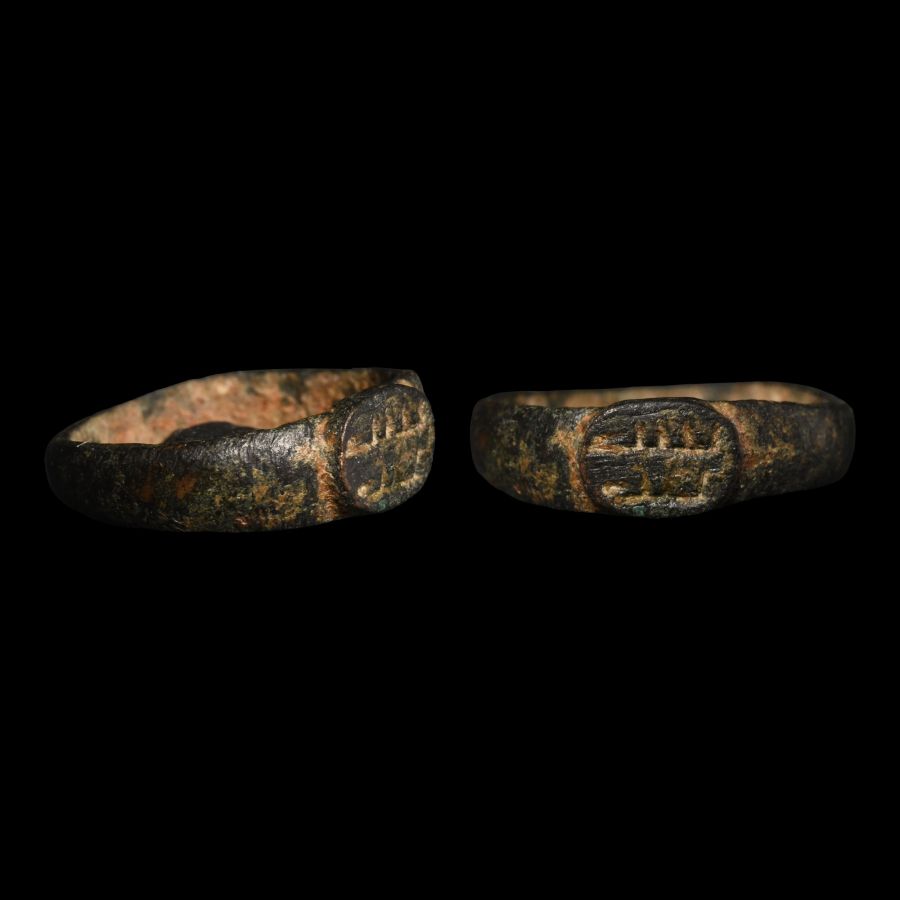
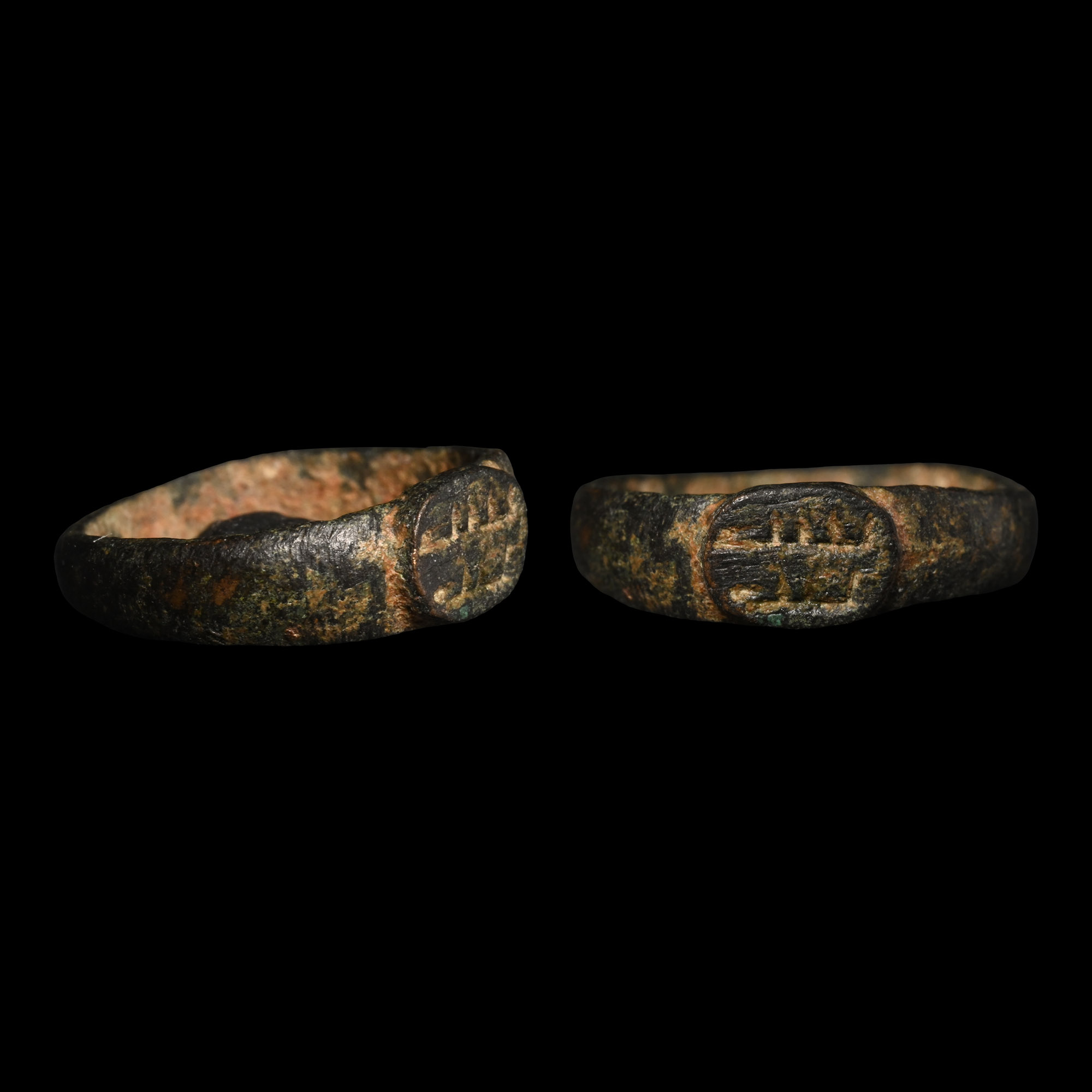
Roman Bronze Child's Ring
1ST-4TH CENTURY A.D.
1/2 in. (1.21 grams, 14.74 mm overall, 11.80 mm internal diameter).
Featuring a D-section hoop and an oval bezel with a pseudo-inscription(?). [No Reserve]
ProvenanceFrom the private collection of a European gentleman (1942-2024), formed since the 1970s.
CONDITIONTimeLine Auctions follows a vetting process to ensure the authenticity and legality of all items, reinforcing our commitment to integrity and responsible trading. Each antiquity, antique, and coin lot undergoes thorough examination by a vetting committee of at least ten external specialists, professional trade association members, scientists, and archaeologists: Our Vetting Process
AUCTIONS:
TimeLine is a leading auction house specialising in antiquities, ancient art, collectables, natural history, coins, medals, and books. Our auctions offer museums, collectors, historians, and enthusiasts the opportunity to acquire unique and historically significant pieces.
-
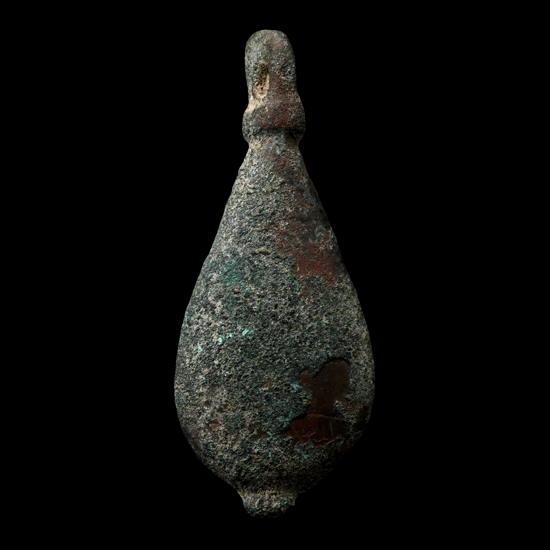
Roman Bronze Teardrop-Shaped Pendant
1st-4th century A.D.Sold for (Inc. bp): £46
D-shaped in section with pierced lug at one end. 17.87 grams, 49.21 mm
From the private collection of a European gentleman (1942-2024), formed since the 1970s. -
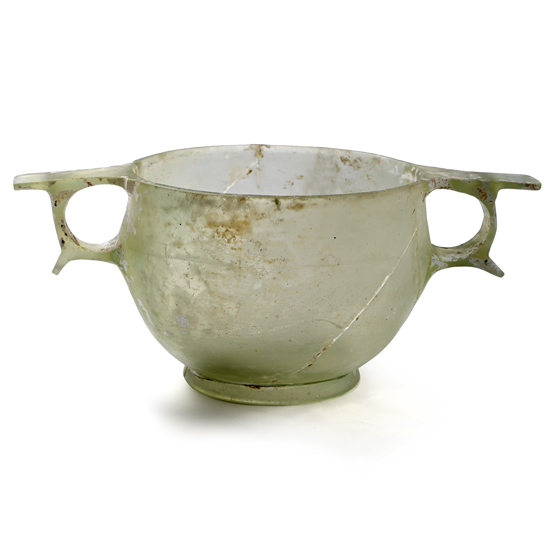
Roman Cut-Glass Skyphos
1st century B.C.-1st century A.D.Estimate: £4,000 - 6,000 (+bp*)
Opening Bid: £2,000
Drum-shaped frosted glass vessel on a low basal ring, lateral loop handles each with an angled spur below and fish-tail plaque above. 260 grams, 18.3 cm wide
Acquired in the 1980s. with Christopher Sheppard, London, UK. Acquired from the above in 2007. Accompanied by an academic report by Dr Raffaele D’Amato. This lot has been checked against the Interpol Database of stolen works of art and is accompanied by search certificate number no.13248-252970.
The classic shape of this skyphos, a two-handled drinking cup from the 1st century, reflects the metal prototypes of the period. The most famous are the silver cups from Boscoreale and the House of the Menander at Pompeii (Hilgers, 1969, pl.2, nos.5-6 and pl.4, nos.1-4; Pappalardo, 1986, pp.206-207, nos.1-4). -
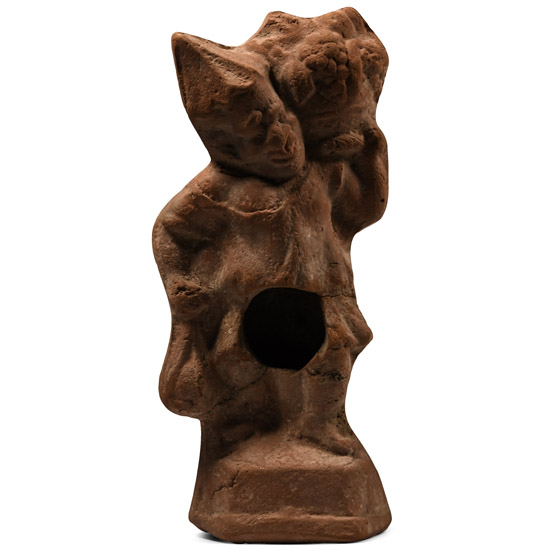
Romano-Egyptian Terracotta Figure of a Slave with Fruit Basket
1st century A.D.Sold for (Inc. bp): £221
Hollow-formed figure of a servant with grotesque facial features, pointed cap and a short tunic, carrying a pouch in the right hand and shoulders an overflowing fruit basket on the left; a large recess between his legs may be for the insertion of an oversized model phallus; pierced lug to rear of neck for suspension. 286 grams, 17.5 cm
Acquired from Galerie Puhze, Freiburg, between 2002 and 2010. From the collection of R. L., Lower Saxony. Ex Gorny & Mosch, auction 300, Munich, no.75. Accompanied by a certificate from Galerie Günter Puhze and a German export licence.
Grotesque and exaggerated figurines were produced in late Hellenistic times, especially in Alexandria. The artisans, fascinated with realism, started to reproduce scenes and figures from daily life, and seemed to have a preference for emphasis on ill and deformed persons. The characters with caricature features are usually referred to as grotesques.
