
Loading, please wait...
LOT 0642
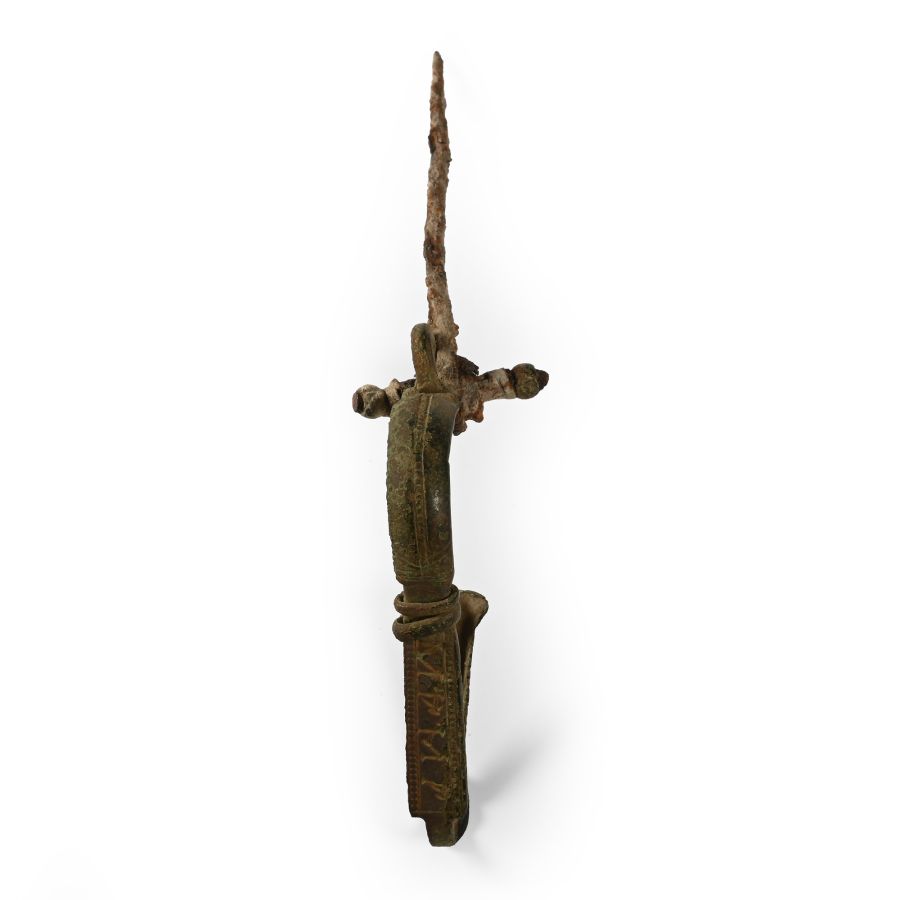
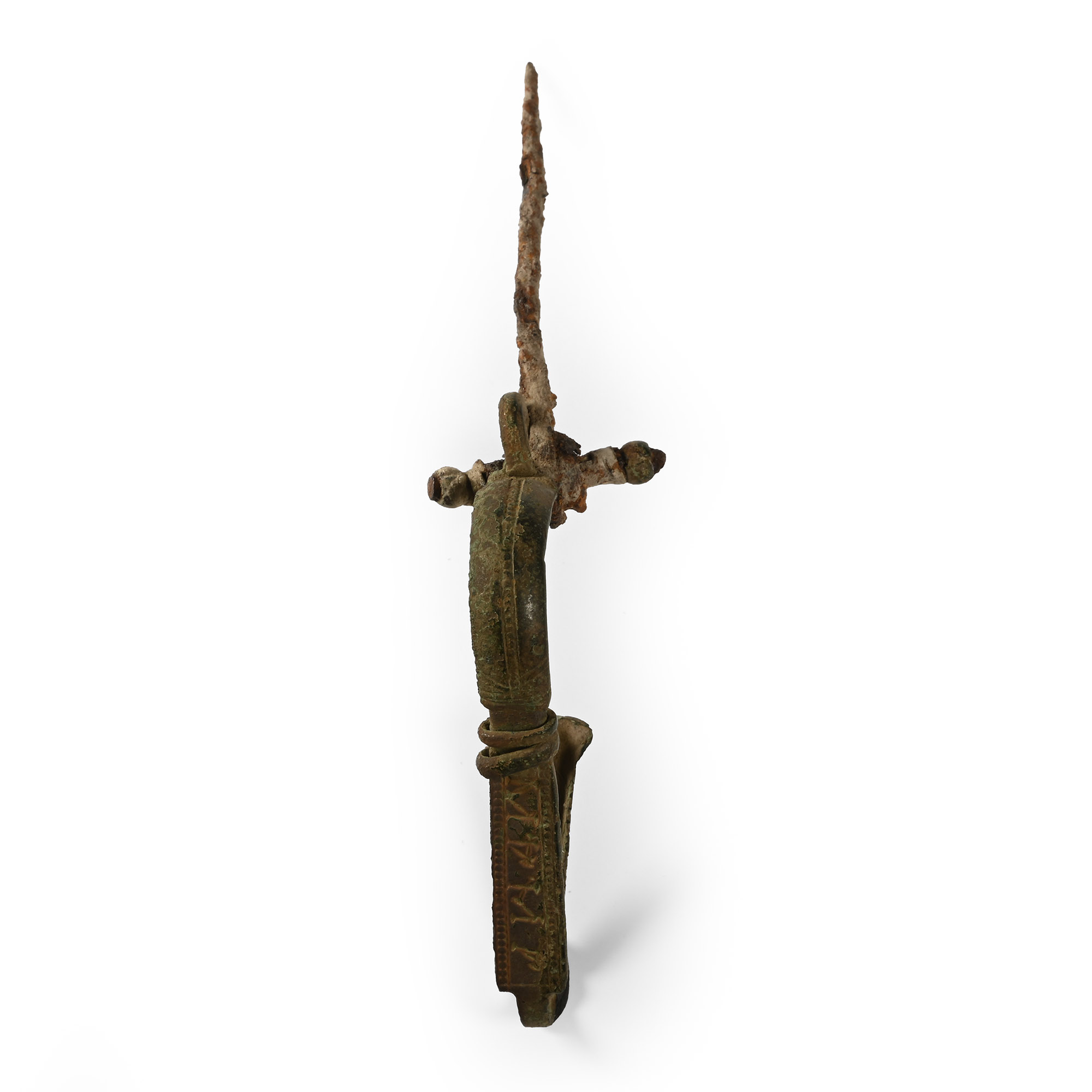
Roman Bronze Bow Brooch with Inscription
2ND-3RD CENTURY A.D.
4 3/4 in. (16.5 grams, 12 cm).
P-shaped bow brooch with returned foot and end of the catchplate wound around the shank; hinged pin with lateral knops; beaded median line to the bow, foot with beaded borders and 'MVMI' legend. [No Reserve]
ProvenanceEx German collection, 1990s.
This lot is accompanied by an illustrated lot declaration signed by the Head of the Antiquities Department, Dr Raffaele D’Amato.
Cf. Hattatt, R., Brooches of Antiquity, Oxford, 1987, item 1244, for type.
CONDITIONTimeLine Auctions follows a vetting process to ensure the authenticity and legality of all items, reinforcing our commitment to integrity and responsible trading. Each antiquity, antique, and coin lot undergoes thorough examination by a vetting committee of at least ten external specialists, professional trade association members, scientists, and archaeologists: Our Vetting Process
AUCTIONS:
TimeLine is a leading auction house specialising in antiquities, ancient art, collectables, natural history, coins, medals, and books. Our auctions offer museums, collectors, historians, and enthusiasts the opportunity to acquire unique and historically significant pieces.
-
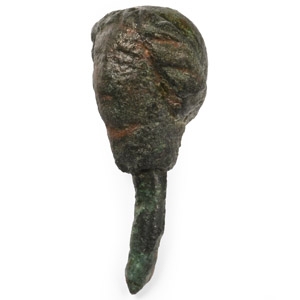
Roman Bronze Pin Head with Bust
3rd-4th century A.D.Sold for (Inc. bp): £33
Modelled in the round as a female head with the hair braided around the brow. 15.7 grams, 34 mm
Previously in an old Yorkshire UK, collection. Property of a private collector, West London, UK. This lot is accompanied by an illustrated lot declaration signed by the Head of the Antiquities Department, Dr Raffaele D’Amato. -
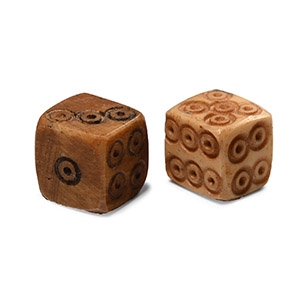
Roman Bone Dice Pair
1st-4th century A.D.Sold for (Inc. bp): £286
Each cuboid with ring-and-dot markings disposed 1:6, 2:4, 3:5. 1.92 grams total, 8 mm each
From an English collection formed before 2000. This lot is accompanied by an illustrated lot declaration signed by the Head of the Antiquities Department, Dr Raffaele D’Amato. -
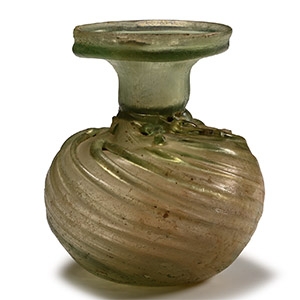
Roman Glass Sprinkler Flask
3rd-4th century A.D.Sold for (Inc. bp): £286
Globular, thick-walled body with spiral ribs; short neck constricted at the bottom leaving only a narrow opening allowing the controlled release of precious oils drop by drop; broad mouth with folded and everted rim; old label to base 'N-14295'. 49.7 grams, 69 mm
Ex Dr F.J.U.M.E, Wehr, acquired 1980 from Galerie am Museum, Freiburg, Germany. This lot is accompanied by an illustrated lot declaration signed by the Head of the Antiquities Department, Dr Raffaele D’Amato.
