
Loading, please wait...
LOT 1031
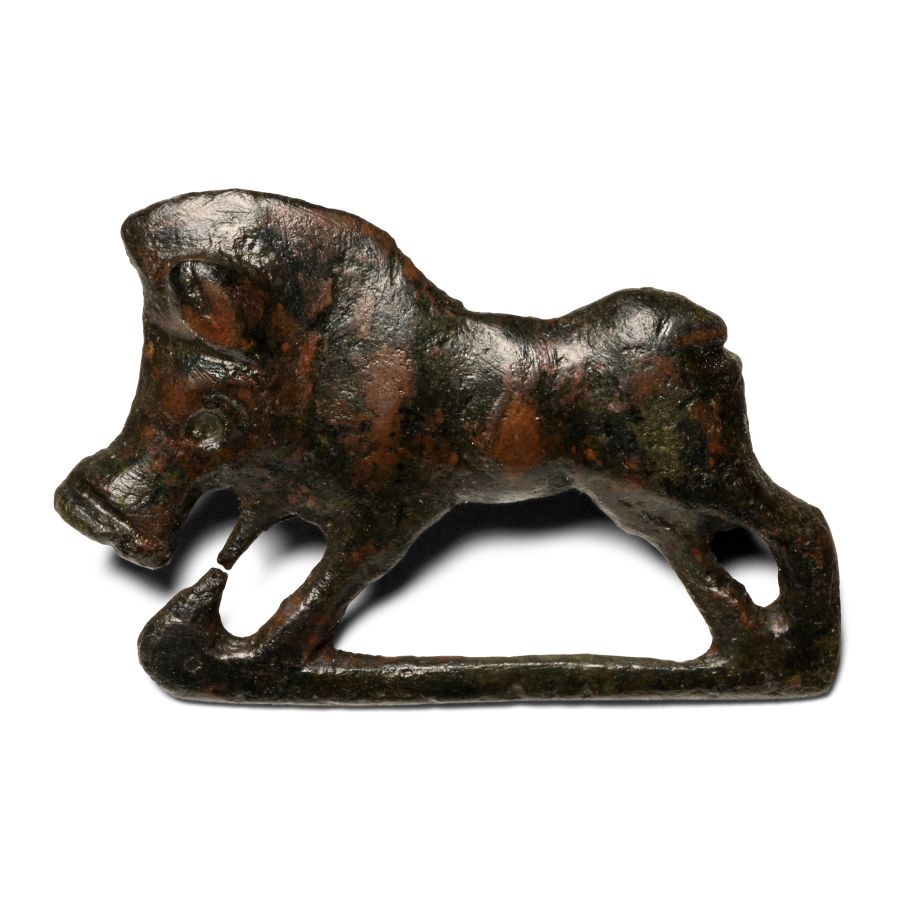
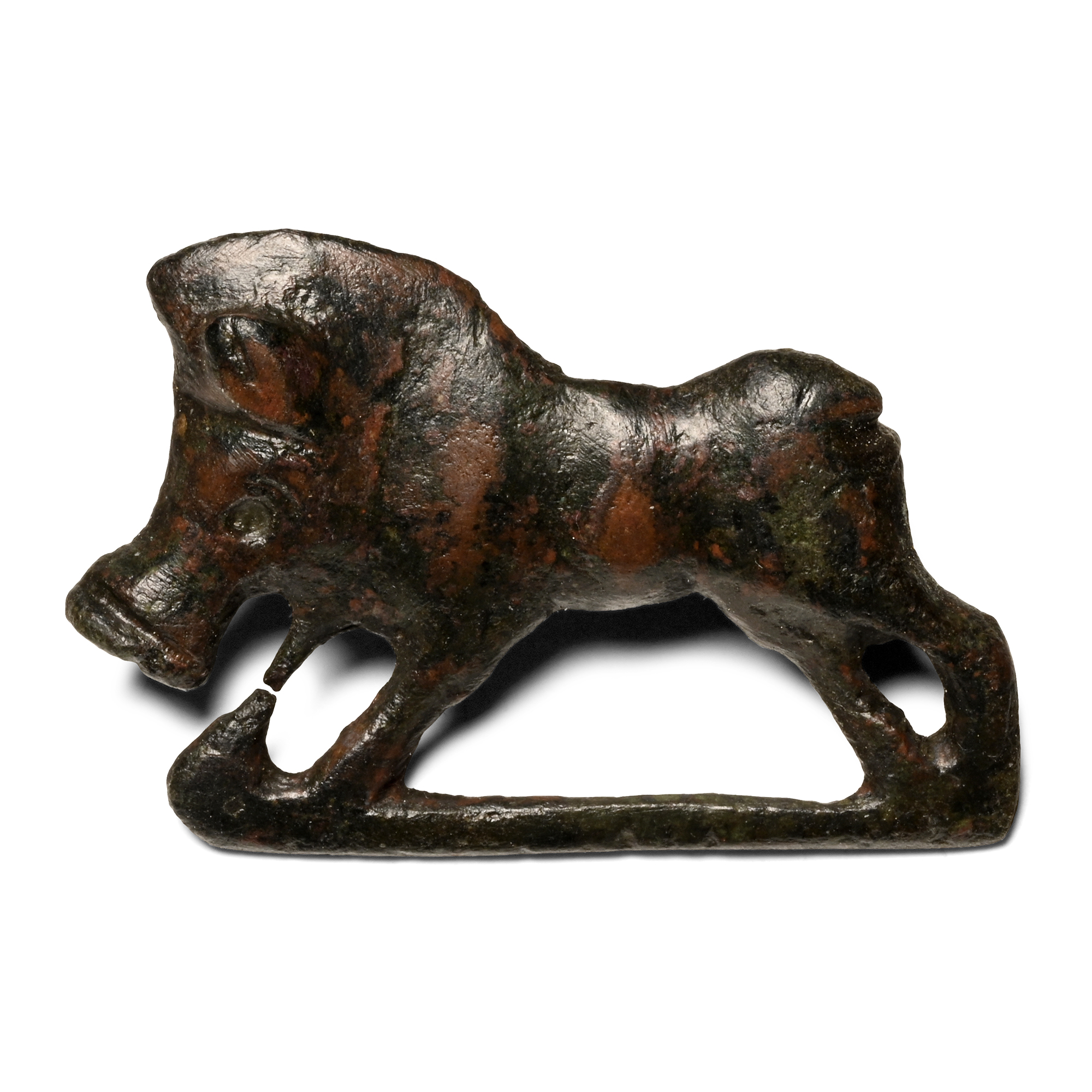
Roman Bronze Boar Plate Brooch
CIRCA 3RD-4TH CENTURY A.D.
1 1/2 in. (11.3 grams, 38 mm).
Modelled as a running boar on a baseline, catchplate and pinlugs on the reverse.
ProvenanceEx Wiltshire, UK, collection, 1990s.
CONDITIONTimeLine Auctions follows a vetting process to ensure the authenticity and legality of all items, reinforcing our commitment to integrity and responsible trading. Each antiquity, antique, and coin lot undergoes thorough examination by a vetting committee of at least ten external specialists, professional trade association members, scientists, and archaeologists: Our Vetting Process
AUCTIONS:
TimeLine is a leading auction house specialising in antiquities, ancient art, collectables, natural history, coins, medals, and books. Our auctions offer museums, collectors, historians, and enthusiasts the opportunity to acquire unique and historically significant pieces.
-
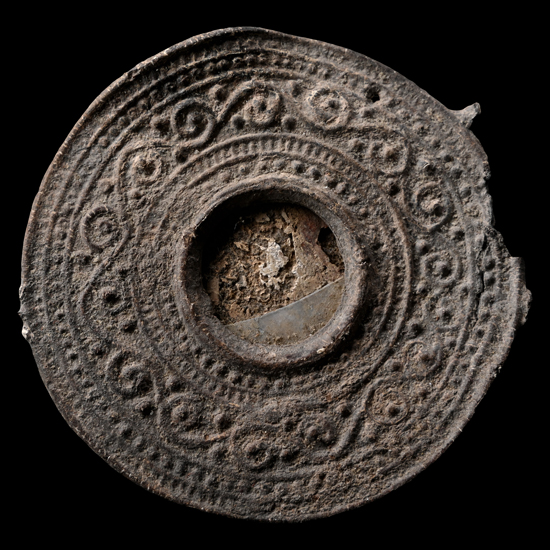
Roman Lead Votive Mirror
2nd-4th century A.D.Sold for (Inc. bp): £59
Discoid in plan, obverse with concentric rings. scrolls and pellets; reverse with a central rosette. 35 grams, 60.8 mm
From the private collection of a European gentleman (1942-2024), formed since the 1970s. -
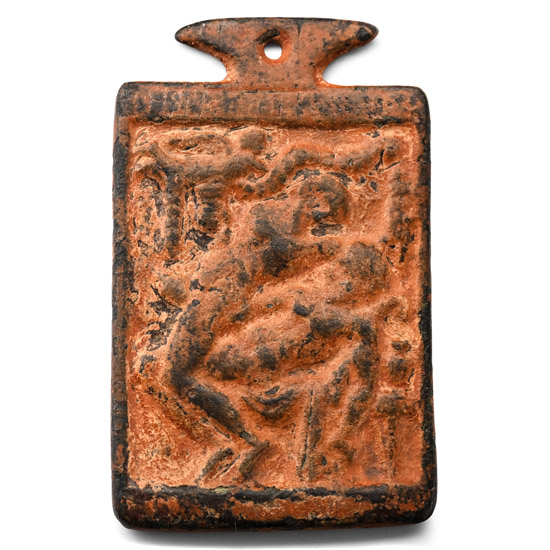
Roman Bronze Erotic Plaque
Circa 3rd century A.D.Estimate: £200 - 300 (+bp*)
Opening Bid: £100
Rectangular plaque with pierced trapezoidal lug to the upper edge; central panel with reserved orgiastic scene. 26.7 grams, 51 mm
From the collection of a gentleman, acquired on the London art market in the 1990s. -
.jpg)
'The Thetford' Roman Bronze Putto Statuette
1st-2nd century A.D.Sold for (Inc. bp): £312
Modelled in the round with back arched, legs extended, right arm reaching upwards; old collector's label marked 'Thetford'. 26.2 grams, 43 mm
Found Thetford, Norfolk, UK.
