
Loading, please wait...
LOT 0687
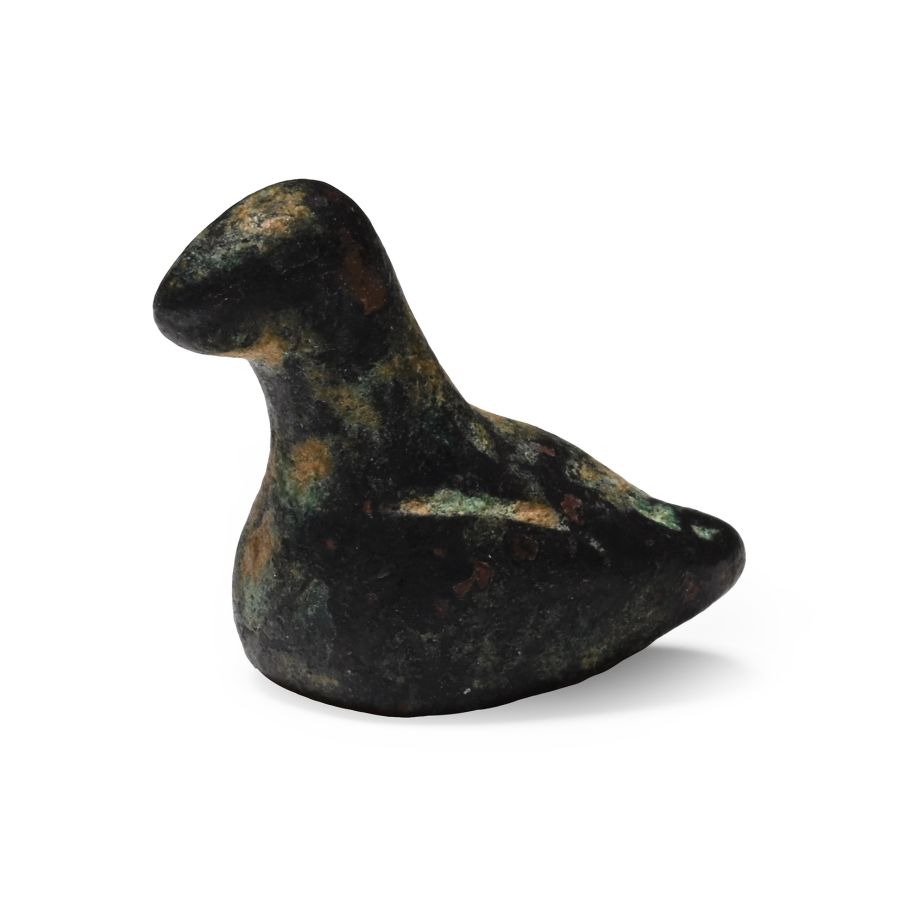
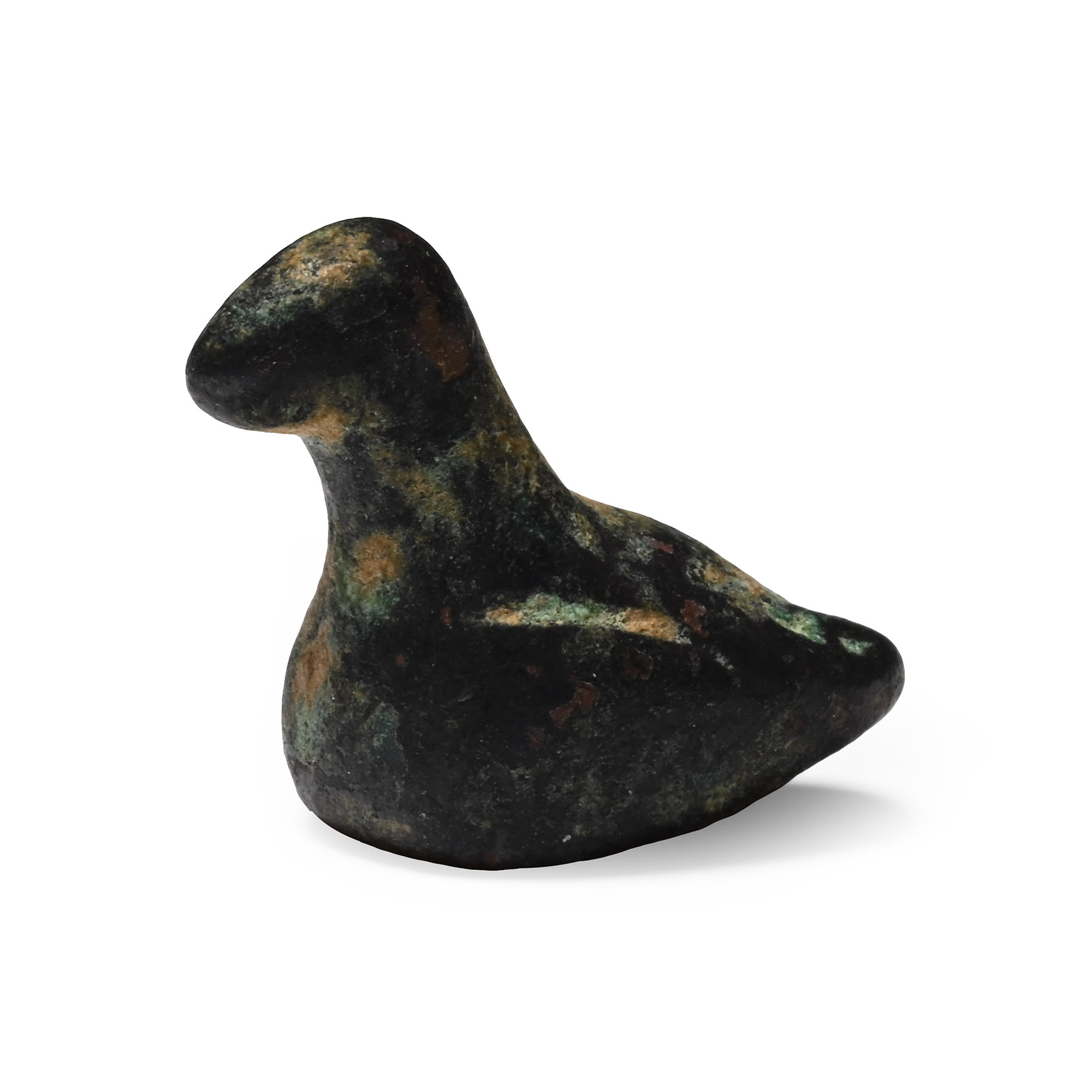
Roman Bronze Bird Weight
1ST-4TH CENTURY A.D.
3/4 in. (5.7 grams, 19 mm wide).
Modelled in the round with slot to the underside. [No Reserve]
ProvenanceFrom the collection of a gentleman, acquired on the London art market in the 1990s.
CONDITIONTimeLine Auctions follows a vetting process to ensure the authenticity and legality of all items, reinforcing our commitment to integrity and responsible trading. Each antiquity, antique, and coin lot undergoes thorough examination by a vetting committee of at least ten external specialists, professional trade association members, scientists, and archaeologists: Our Vetting Process
AUCTIONS:
TimeLine is a leading auction house specialising in antiquities, ancient art, collectables, natural history, coins, medals, and books. Our auctions offer museums, collectors, historians, and enthusiasts the opportunity to acquire unique and historically significant pieces.
-
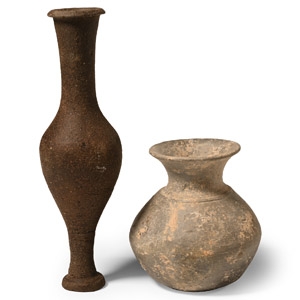
Roman Glass Vessel Group
1st-3rd century A.D.Sold for (Inc. bp): £65
Dark amber-glass unguentarium with rolled rim, squat blue glass jar with trumpet-shaped mouth. 120 grams total, 6.5-12.7 cm
From a family collection mostly formed in the 1940s-1950s, thence by descent. -
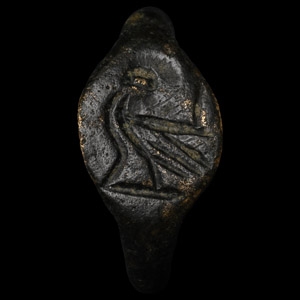
Roman Bronze Ring with Bird
1st century B.C.-1st century A.D.Sold for (Inc. bp): £52
Ellipsoid bezel with incuse figure of a perching bird in profile. 2.45 grams, 22.07 mm overall, 18.10 mm internal diameter (approximate size British M, USA 6, Europe 12.46, Japan 12)
UK private collection before 2000. Acquired on the UK art market. Property of a London gentleman. -
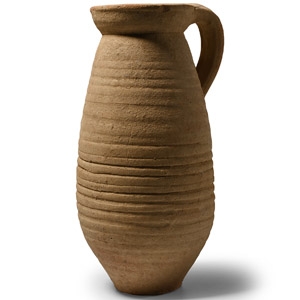
Roman Buff Ware Jug
North African, 2nd-3rd century A.D.Sold for (Inc. bp): £72
A pitcher with short footed base and ribbed sides that taper to the neck; topped by a wide, flared spout and thick strap handle; to the base 'from Tunisia - - (?) 1951'. 347 grams, 16.5 cm
Acquired London art market, 1960s-1980s. Ex property of an Essex, UK, collector.
