
Loading, please wait...
LOT 0591
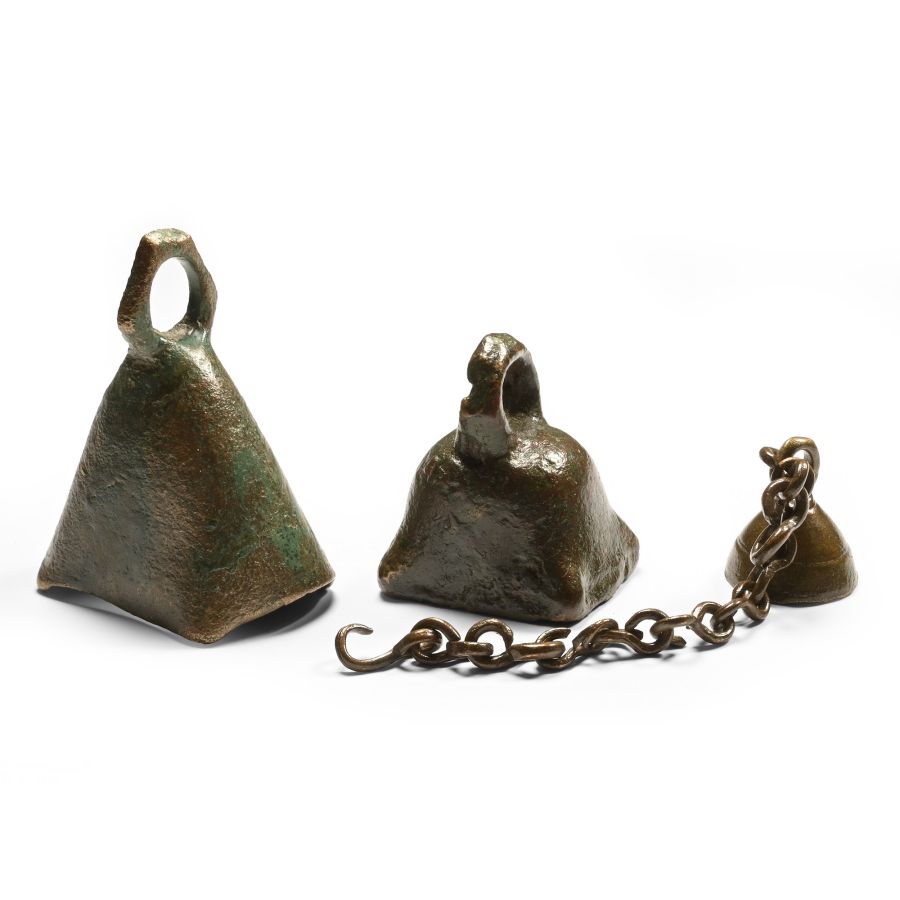
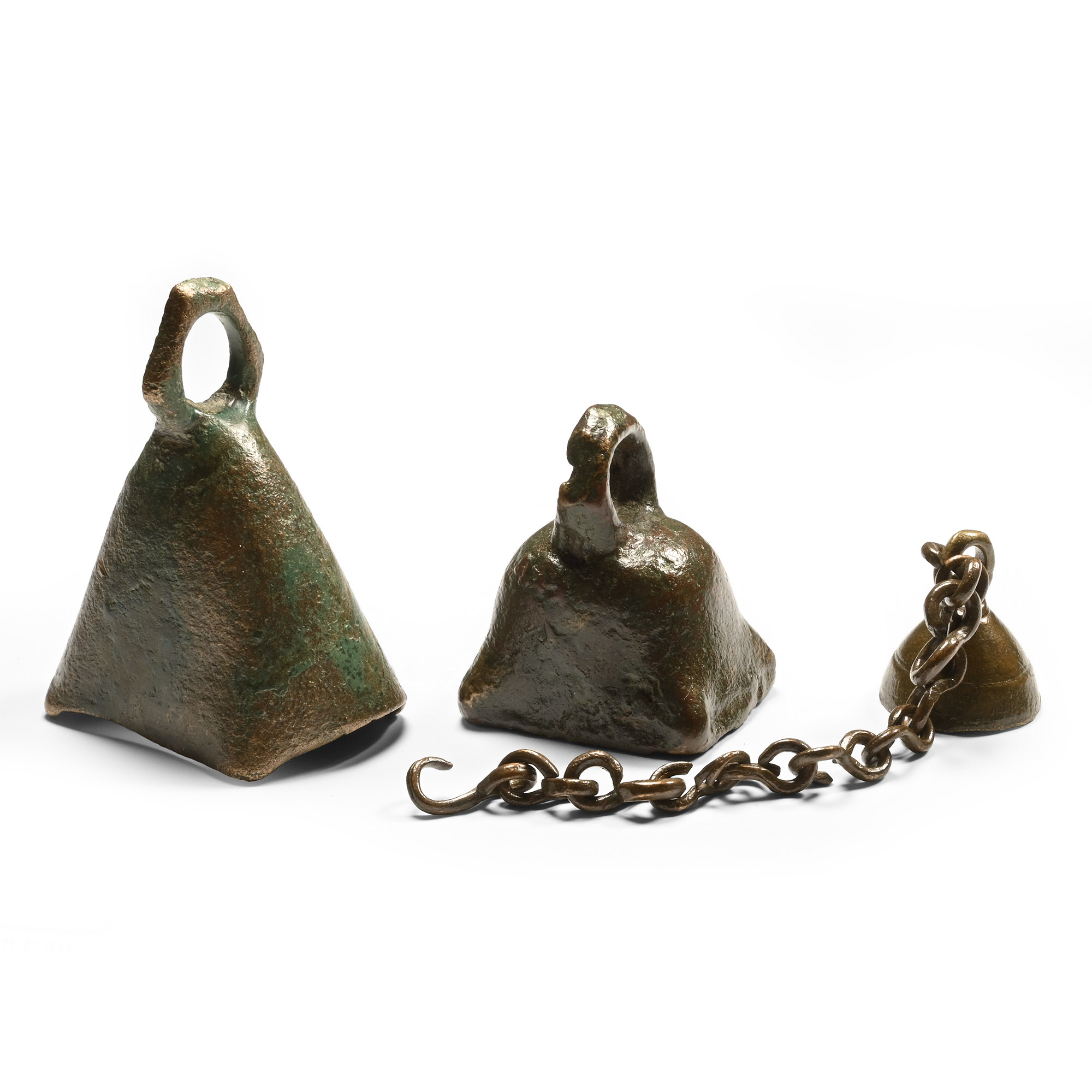
Roman Bronze Bell Group
1ST-4TH CENTURY A.D.
1 - 2 1/2 in. (108 grams total, 24-63 mm).
Each rectangular in plan, one with short length of suspension chain. [3]
ProvenanceEx German art market, 2000s.
Acquired from an EU collector living in London.
From the collection of Surrey, UK, gentleman.
This lot is accompanied by an illustrated lot declaration signed by the Head of the Antiquities Department, Dr Raffaele D’Amato.
TimeLine Auctions follows a vetting process to ensure the authenticity and legality of all items, reinforcing our commitment to integrity and responsible trading. Each antiquity, antique, and coin lot undergoes thorough examination by a vetting committee of at least ten external specialists, professional trade association members, scientists, and archaeologists: Our Vetting Process
AUCTIONS:
TimeLine is a leading auction house specialising in antiquities, ancient art, collectables, natural history, coins, medals, and books. Our auctions offer museums, collectors, historians, and enthusiasts the opportunity to acquire unique and historically significant pieces.
-
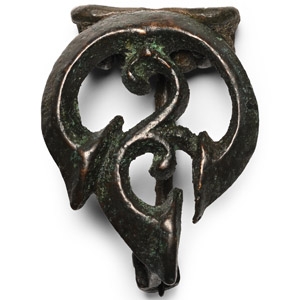
Roman Bronze Plate Brooch
2nd-3rd century A.D.Sold for (Inc. bp): £169
Comprising a chord and integral spring above a scrolled openwork plate with la Tène comma-trumpet ornament, long catch to reverse. 18 grams, 37 mm
Ex important German collection, 1990s. This lot is accompanied by an illustrated lot declaration signed by the Head of the Antiquities Department, Dr Raffaele D’Amato. -
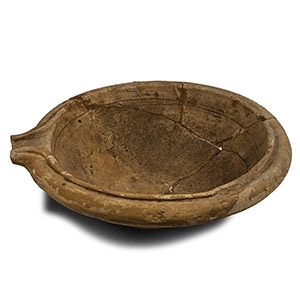
Romano-British Buffware Mortaria from Nene Valley
2nd-3rd century A.D.Sold for (Inc. bp): £780
With broad squat body, lip inside the curved rim, ribbed pouring lip; repaired. 2.41 kg, 34.5 cm wide
Found Nene Valley, Peterborough, UK. From an old English collection. Acquired from Helios Gallery in 2011. Ian Wilkinson collection, Nottinghamshire, UK, formed since 1985. This lot is accompanied by an illustrated lot declaration signed by the Head of the Antiquities Department, Dr Raffaele D’Amato. -
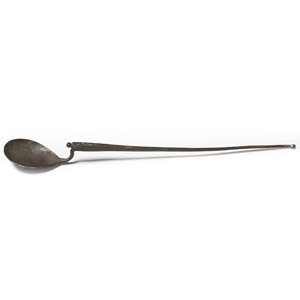
Roman Silver Swan-Necked Ligula Spoon
1st-2nd century A.D.Sold for (Inc. bp): £442
With shallow bowl, knop finial at each end of the square-section shank. 10.5 grams, 14.2 cm
Ex German art market, 2000s. Acquired from an EU collector living in London. From the collection of Surrey, UK, gentleman. This lot is accompanied by an illustrated lot declaration signed by the Head of the Antiquities Department, Dr Raffaele D’Amato.
