
Loading, please wait...
LOT 0173
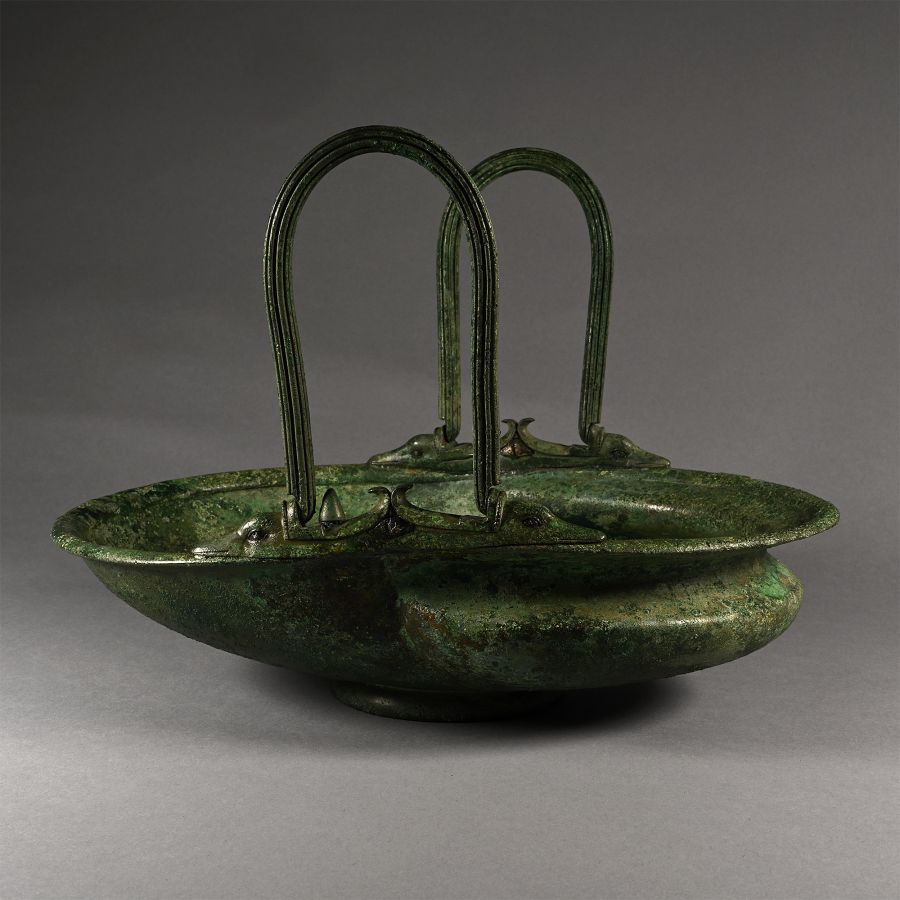
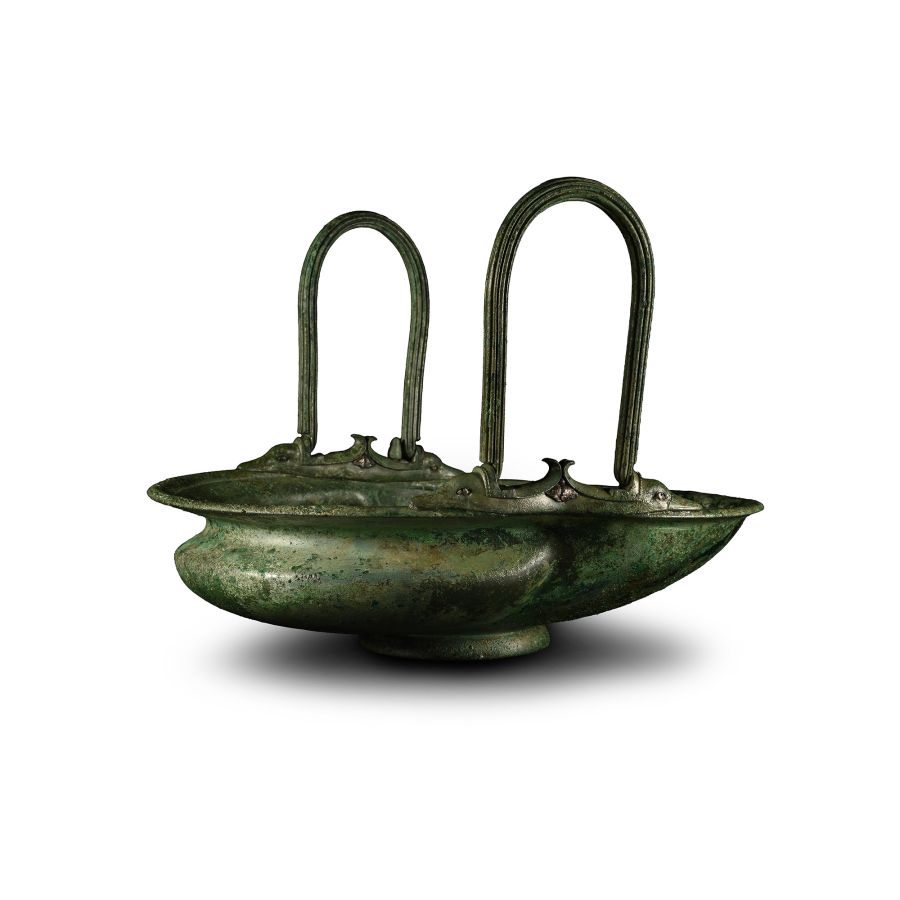
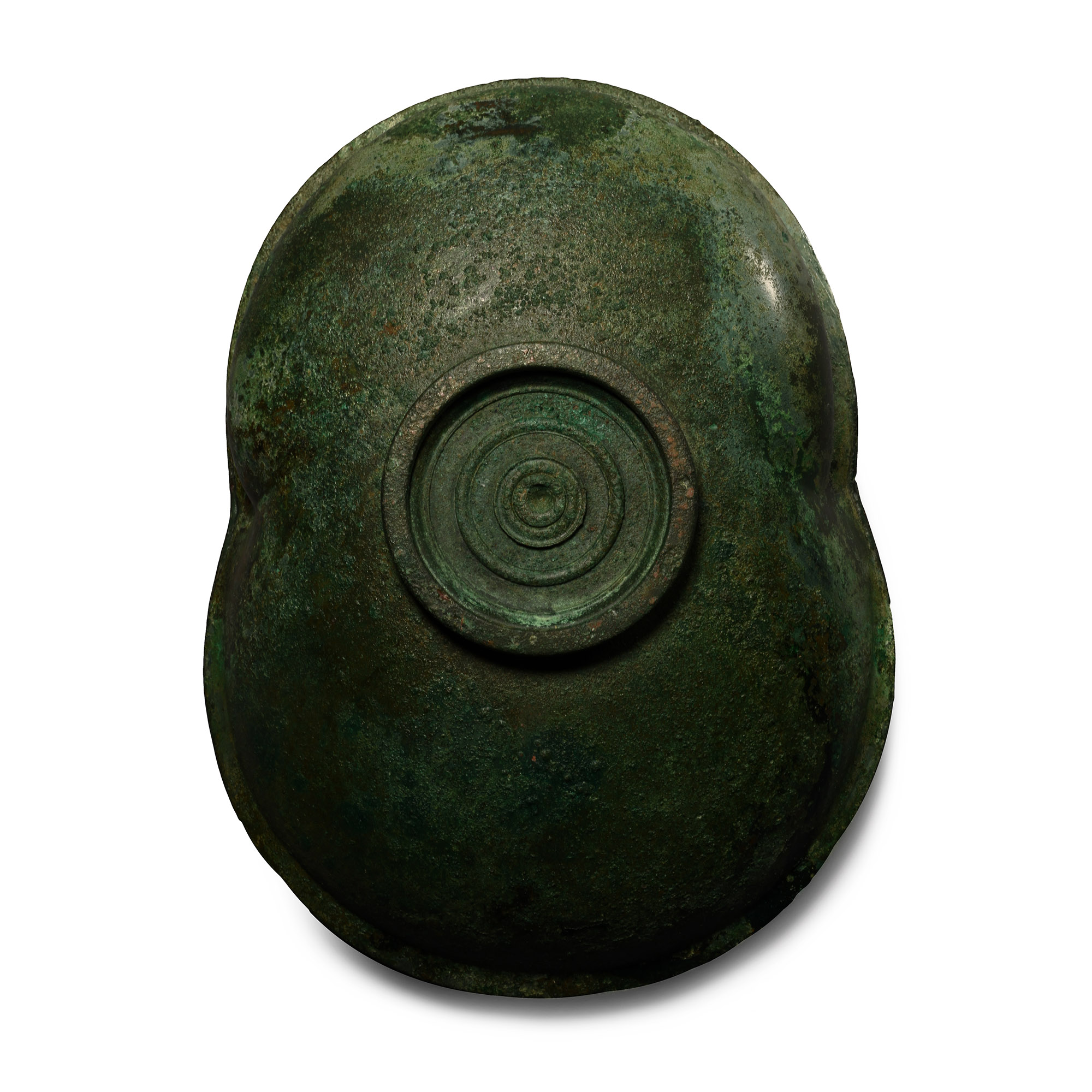
Roman Bronze Basket-Vase
1ST-2ND CENTURY A.D.
11 in. (1.68 kg, 28 cm).
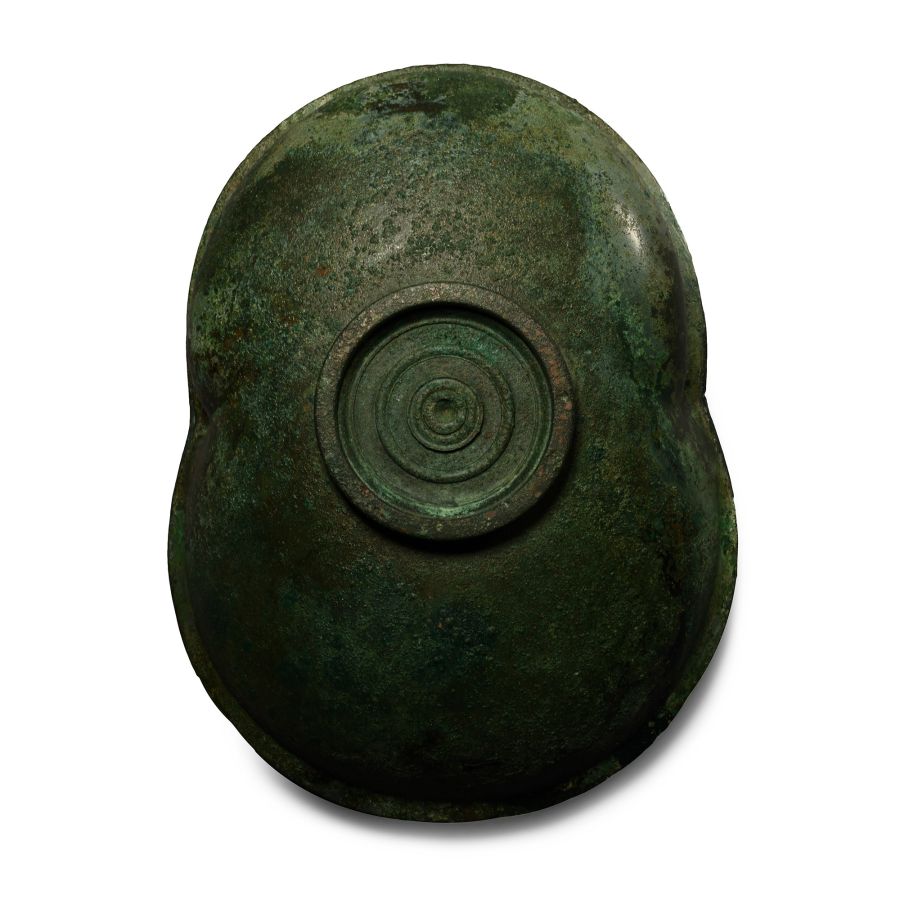
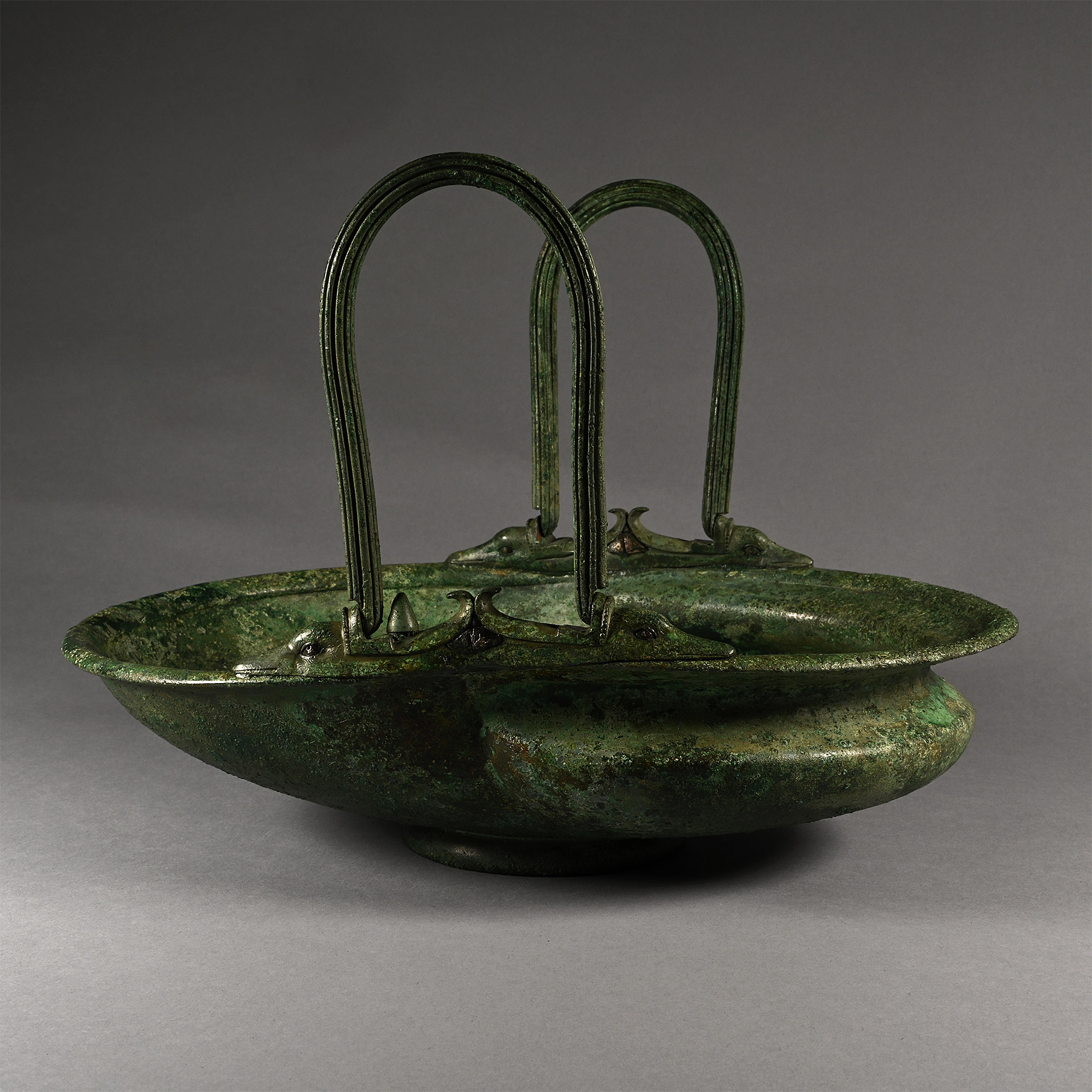
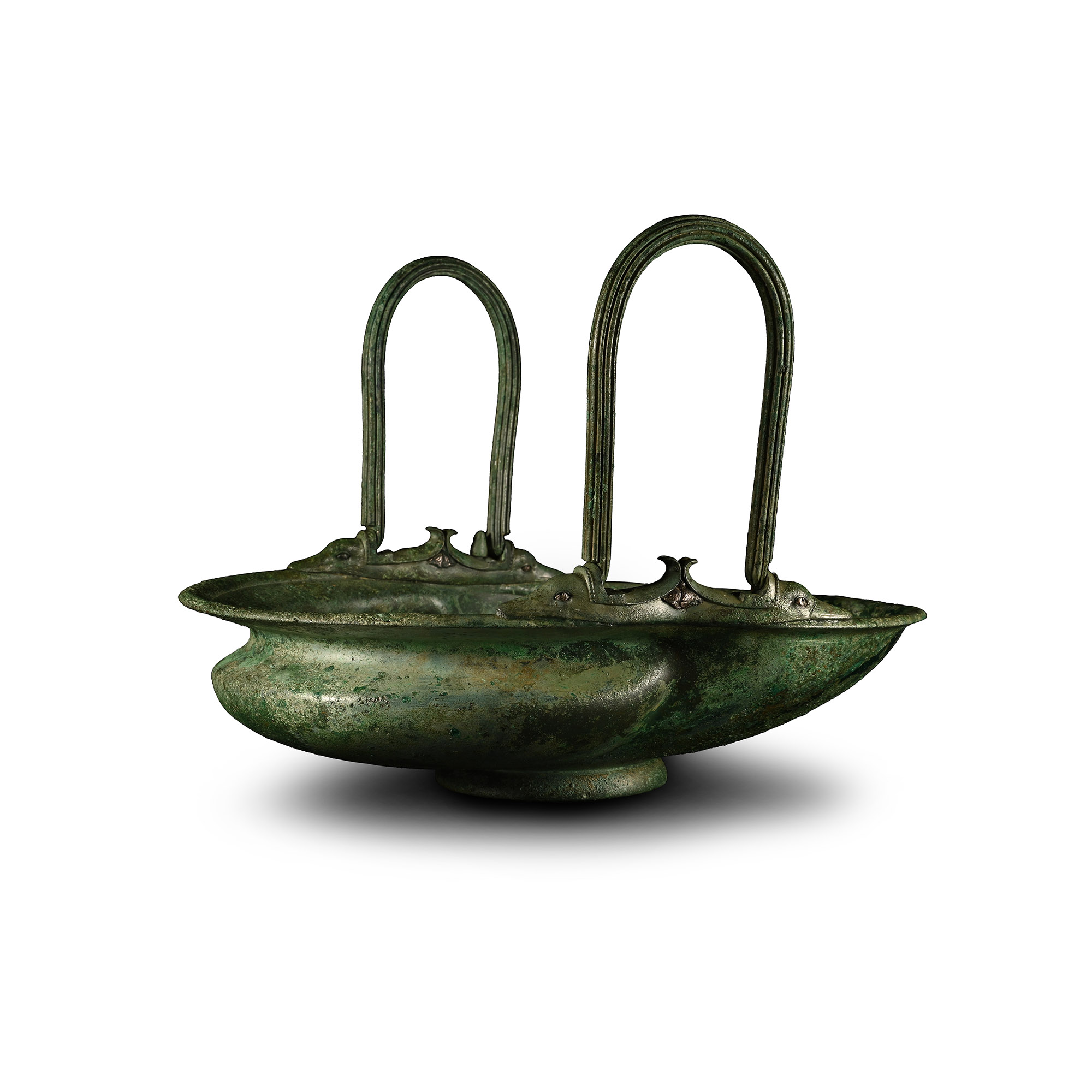
Ellipsoid in plan with low basal ring and thick convex rim, carination to the forward end; hinges to each lateral rim, the knuckles formed as addorsed duck-heads each with scrolled panel to the rear retaining the pivot of the ribbed D-shaped handles.
ProvenanceAcquired in Switzerland, 1996.
Private collection, Europe.
Accompanied by an academic report by Dr Raffaele D'Amato.
Accompanied by a copy of an Art Loss Register certificate dated 30th April 2004.
This lot has been checked against the Interpol Database of stolen works of art and is accompanied by search certificate number no.12363-226688.
Cf. a similar model from the House of Menander in Pompei is preserved in the Pompei Archaeological Museum; see Tassinari, S., La Vaisselle de bronze, Romaine et provincial, au muse des Antiquités Nationales, Paris, 1975, no.104, for examples of Roman trays.
FootnotesThis vessel (lanx) was part of Roman and provincial bronze instrumentum domesticum, i.e. culinary or domestic utility ware. The form of the bowl resembles a type of helmet with carination to the front, the handles placed as hinged cheek-protectors.
CONDITIONTimeLine Auctions follows a vetting process to ensure the authenticity and legality of all items, reinforcing our commitment to integrity and responsible trading. Each antiquity, antique, and coin lot undergoes thorough examination by a vetting committee of at least ten external specialists, professional trade association members, scientists, and archaeologists: Our Vetting Process
AUCTIONS:
TimeLine is a leading auction house specialising in antiquities, ancient art, collectables, natural history, coins, medals, and books. Our auctions offer museums, collectors, historians, and enthusiasts the opportunity to acquire unique and historically significant pieces.
LOT 0173
Roman Bronze Basket-Vase
Estimate £15,000 - 20,000€17,400 - 23,200 (for guidance only)$20,250 - 27,000 (for guidance only)
-
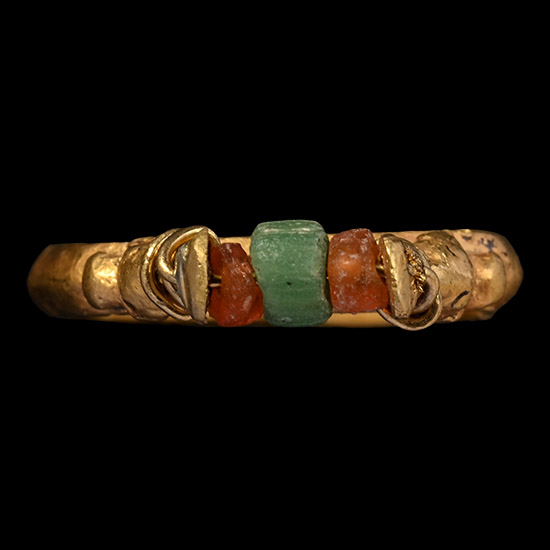
Roman Gold Ring with Dolphins Supporting Beads
1st century A.D.Estimate: £1,000 - 1,400 (+bp*)
Opening Bid: £500
D-section hoop with shoulders formed as addorsed dolphins, the tails pierced to accept a wire with three glass seed beads. 4.24 grams, 26.14 mm overall, 15.47 x 16.96 mm internal diameter (approximate size British J, USA 4 3/4, Europe 8.69, Japan 8)
Ex Cambridgeshire, UK, gentleman's collection, 1980-1990s. -
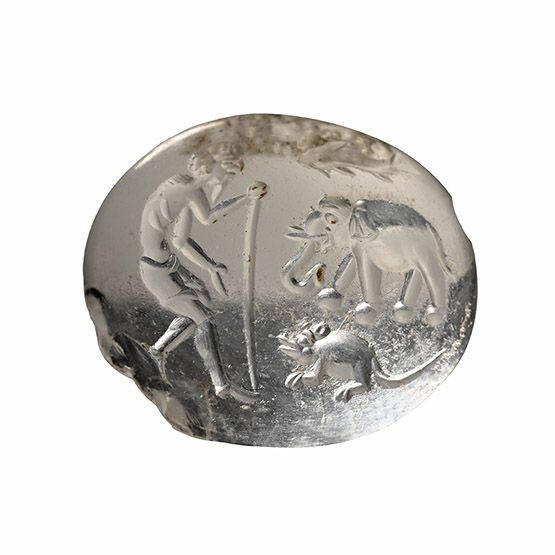
Kushan or Indo-Greek Rock Crystal Gemstone with Mature Man and Animals
1st-3rd century A.D.Sold for (Inc. bp): £3,120
Plano-convex in section with incuse image of an advancing elderly man with a staff facing three beasts: dolphin, elephant and rat; possibly Kushan workmanship; supplied with a museum-quality impression. 2.44 grams, 18 mm
Private English collection, formed between the late 1970s and early 1990s. Private collection, London, UK. -
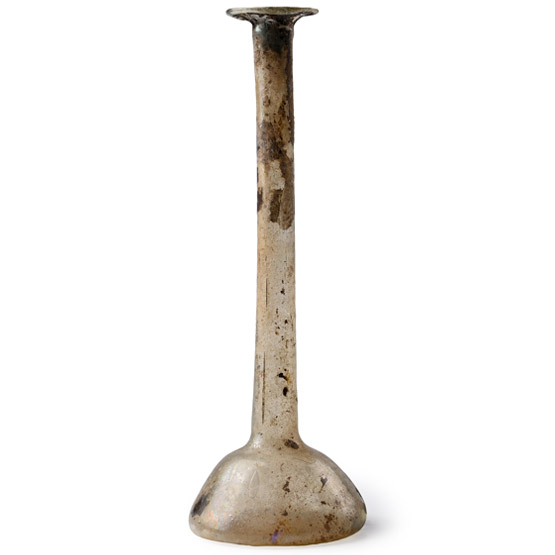
Roman Tall Glass Flask
Circa 1st-4th century A.D.Sold for (Inc. bp): £140
Comprising a squat conical body and long tubular neck with wide rim. 19.2 grams, 16 cm
From a London, UK, collection of glass, 1970-2000s.
