
Loading, please wait...
LOT 0716
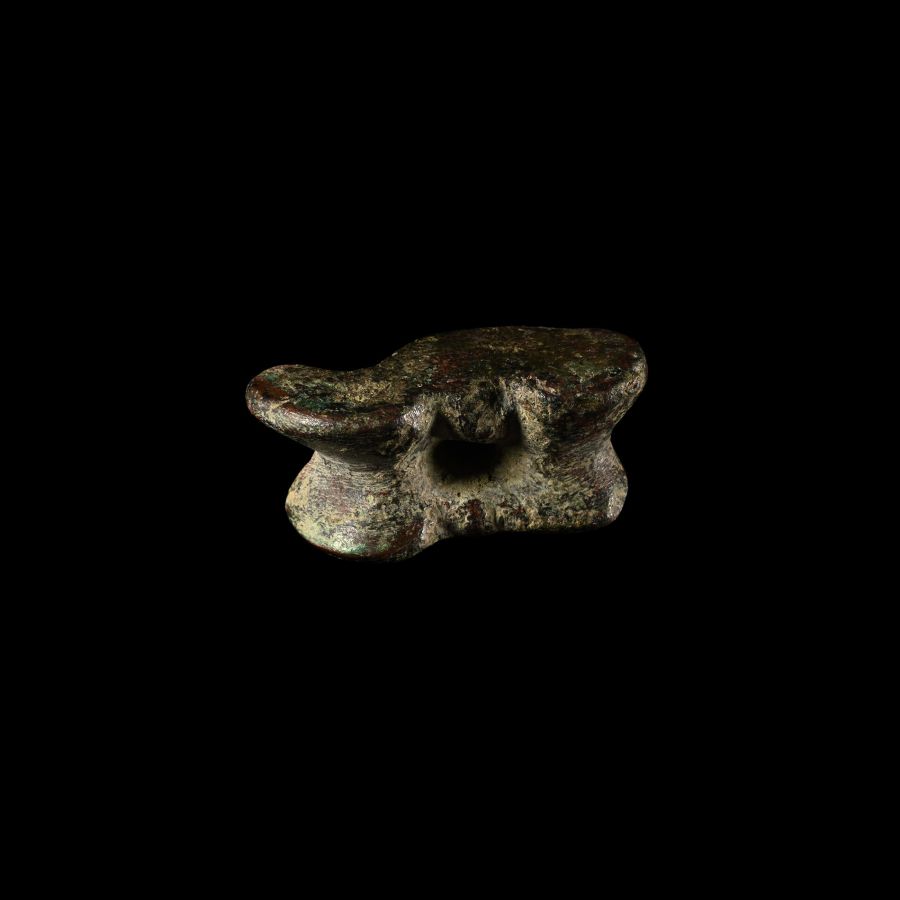
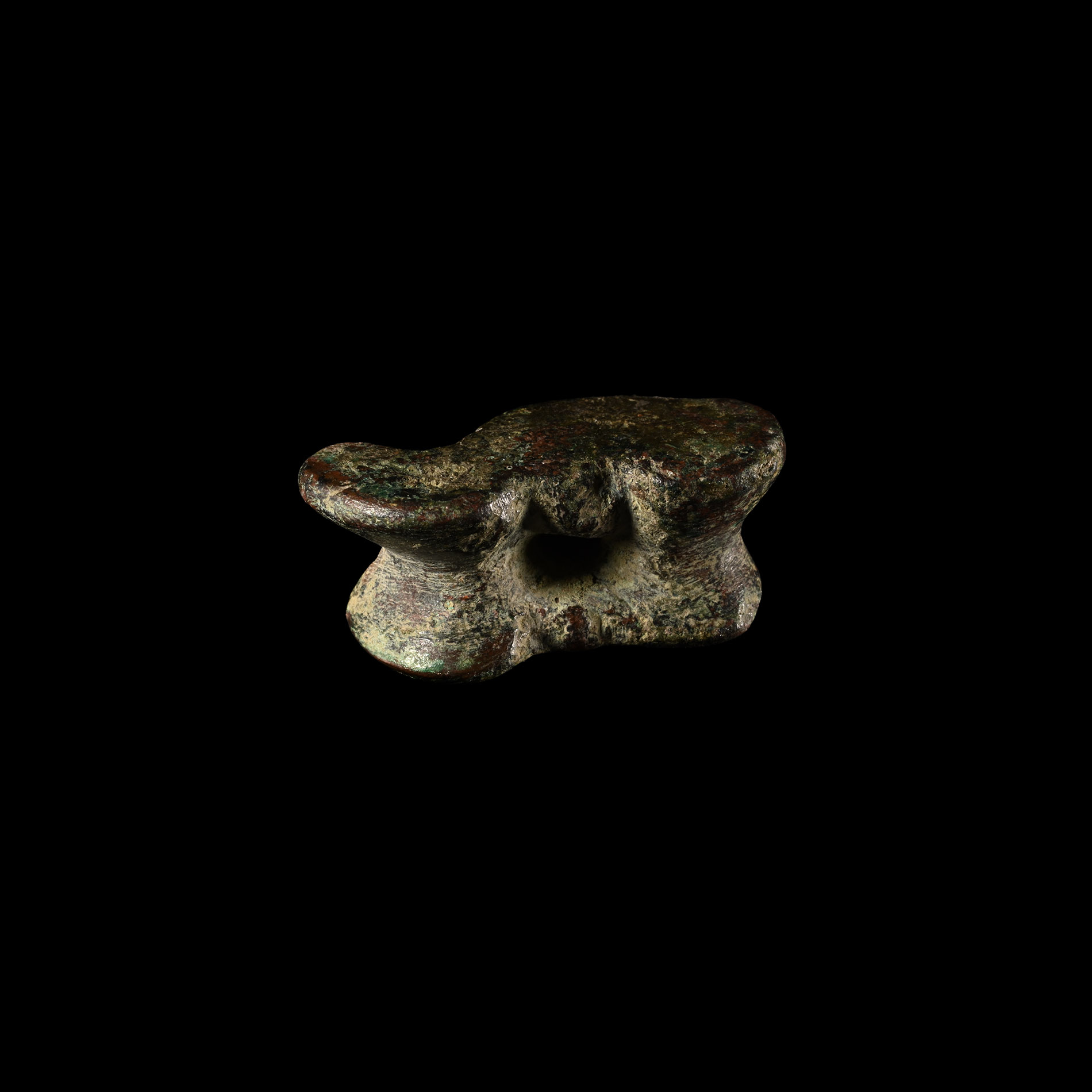
Roman Bronze 'Astragalus' Knuckle Bone Gaming Piece
1ST-4TH CENTURY A.D.
1 1/8 in. (16.8 grams, 28 mm).
Formed in three dimensions with a central piercing. [No Reserve]
ProvenanceEx Simmons Gallery, London E11, UK, in the 1990s.
From a North London collection.
TimeLine Auctions follows a vetting process to ensure the authenticity and legality of all items, reinforcing our commitment to integrity and responsible trading. Each antiquity, antique, and coin lot undergoes thorough examination by a vetting committee of at least ten external specialists, professional trade association members, scientists, and archaeologists: Our Vetting Process
AUCTIONS:
TimeLine is a leading auction house specialising in antiquities, ancient art, collectables, natural history, coins, medals, and books. Our auctions offer museums, collectors, historians, and enthusiasts the opportunity to acquire unique and historically significant pieces.
-
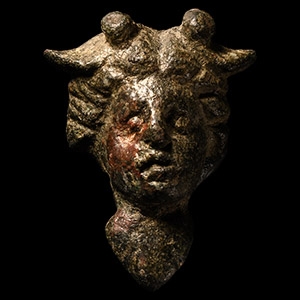
Roman Bronze Bust Mount of Mercury
1st-3rd century A.D.Sold for (Inc. bp): £111
Modelled in the half round with winged head; hollow reverse. 17.6 grams, 31 mm
Acquired on the UK market, 1990s. Property of a retired academic. -
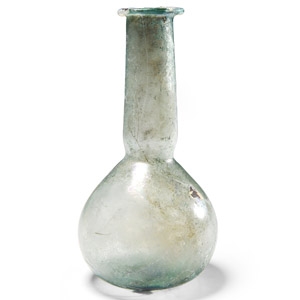
Roman Translucent Glass Flask
1st-2nd century A.D.Estimate: £100 - 140 (+bp*)
Opening Bid: £40
Bulbous body, cylindrical neck and everted rim. 39.3 grams, 12 cm high
Acquired 1980-2015. Ex Abelita family collection. -
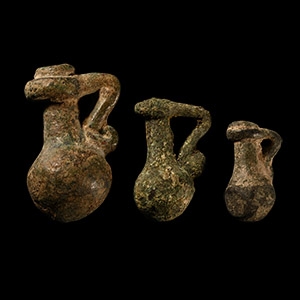
Roman Bronze Jug Weight Collection
1st-4th century A.D.Sold for (Inc. bp): £91
Three graduated jug-shaped weights, each with a globular body, cylindrical neck and handle with scrolling base. 30.1 grams total, 17-26 mm
Ex Simmons Gallery, London E11, UK, in the 1990s. From a North London collection.
