
Loading, please wait...
LOT 0569
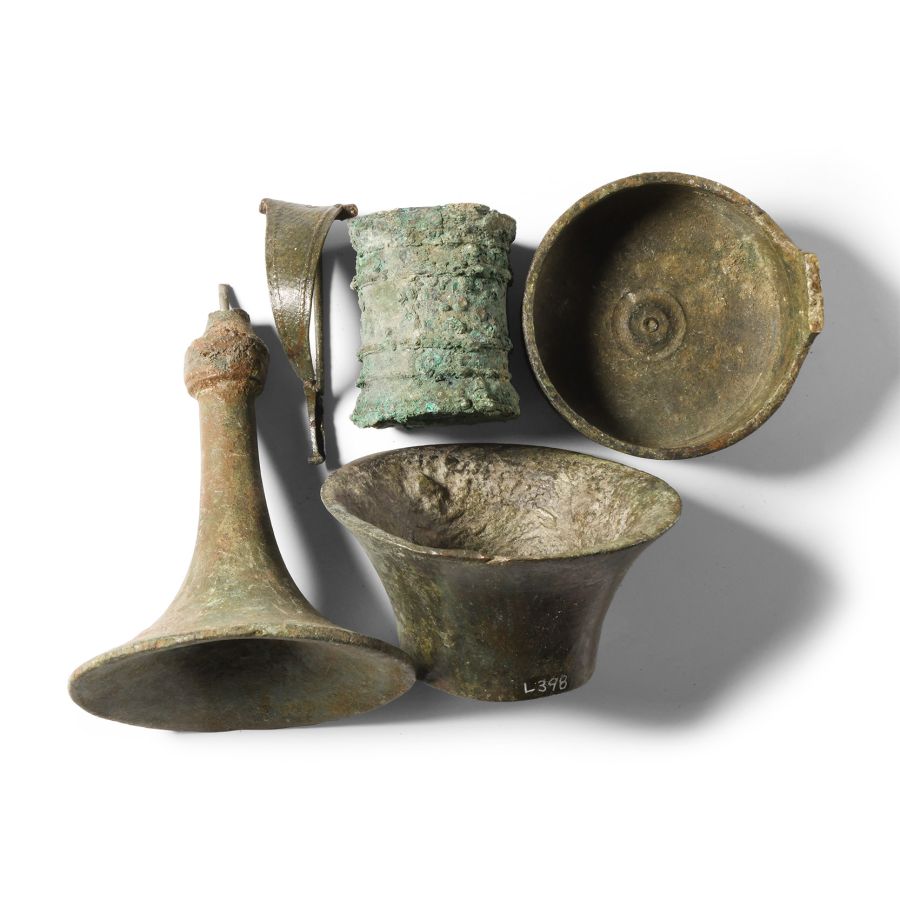
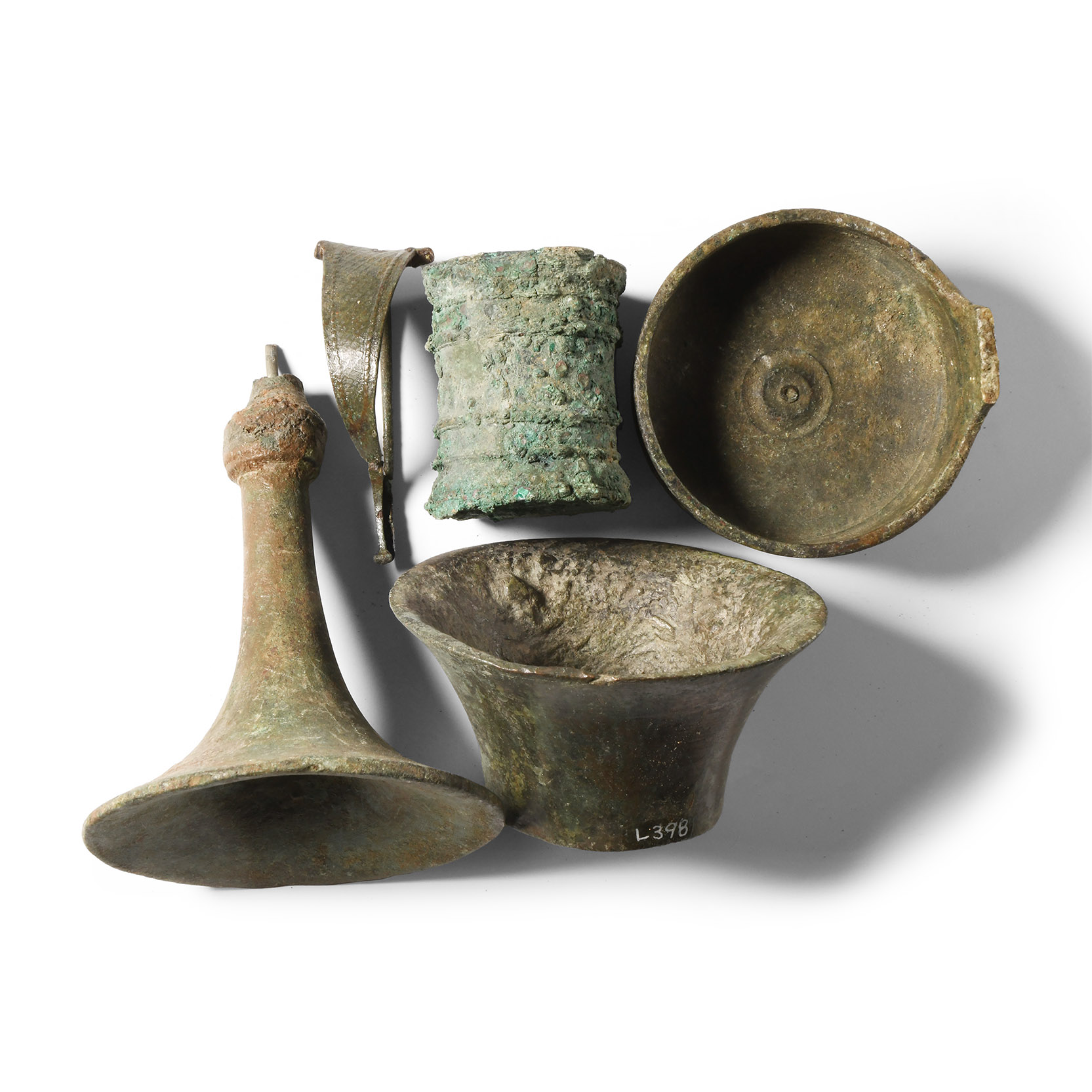
Roman Bronze Artefact Group
1ST-4TH CENTURY A.D.
1 3/4 - 3 3/4 in. (552 grams total, 44-93 mm).
Including a drum-shaped pyxide, trumpet-shaped stand, P-shaped bow brooch and other items. [4, No Reserve]
ProvenanceFrom a UK private collection, before 1980.
CONDITIONTimeLine Auctions follows a vetting process to ensure the authenticity and legality of all items, reinforcing our commitment to integrity and responsible trading. Each antiquity, antique, and coin lot undergoes thorough examination by a vetting committee of at least ten external specialists, professional trade association members, scientists, and archaeologists: Our Vetting Process
AUCTIONS:
TimeLine is a leading auction house specialising in antiquities, ancient art, collectables, natural history, coins, medals, and books. Our auctions offer museums, collectors, historians, and enthusiasts the opportunity to acquire unique and historically significant pieces.
-
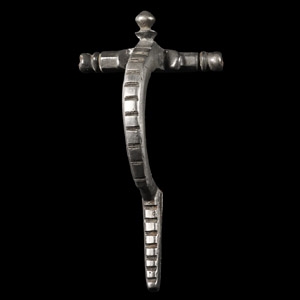
Roman Silver Crossbow Brooch
Circa 4th century A.D.Sold for (Inc. bp): £130
With balustered arms ending in knops and third knop above the bow, remains of hinged pin; deep bow with hatched outer face extending to the tapering footplate with catch to the reverse. 6.48 grams, 48 mm
Acquired at a London Coin Fair in the 1980s. Property of an Essex collector. -
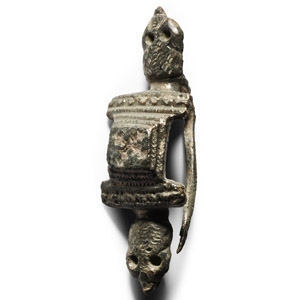
Roman Bronze Plate Brooch with Animal Heads
Circa 2nd-3rd century A.D.Sold for (Inc. bp): £104
With stepped profile to the rectangular vow, pelletted bars and beast-head finials; pin, pin-lugs and pierced catchplate to the underside. 10.5 grams, 45 mm
From the collection of a High Wycombe, Buckinghamshire, UK, gentleman, circa 2000. -
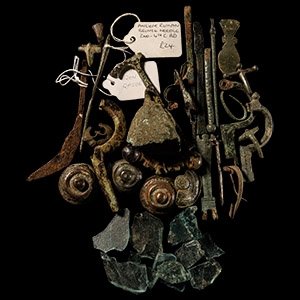
Roman Bronze and Other Artefact Group
1st-4th century A.D.Sold for (Inc. bp): £104
Comprising mixed artefacts including: bronze brooches, mounts, implements, a bell, a stylus, and others, most fragmentary; an iron razor and a group of glass fragments. 450 grams total, 1.5-12.4 cm
Acquired in the 1980s-1990s. Property of a Nottinghamshire gentleman.
