
Loading, please wait...

LOT 0608
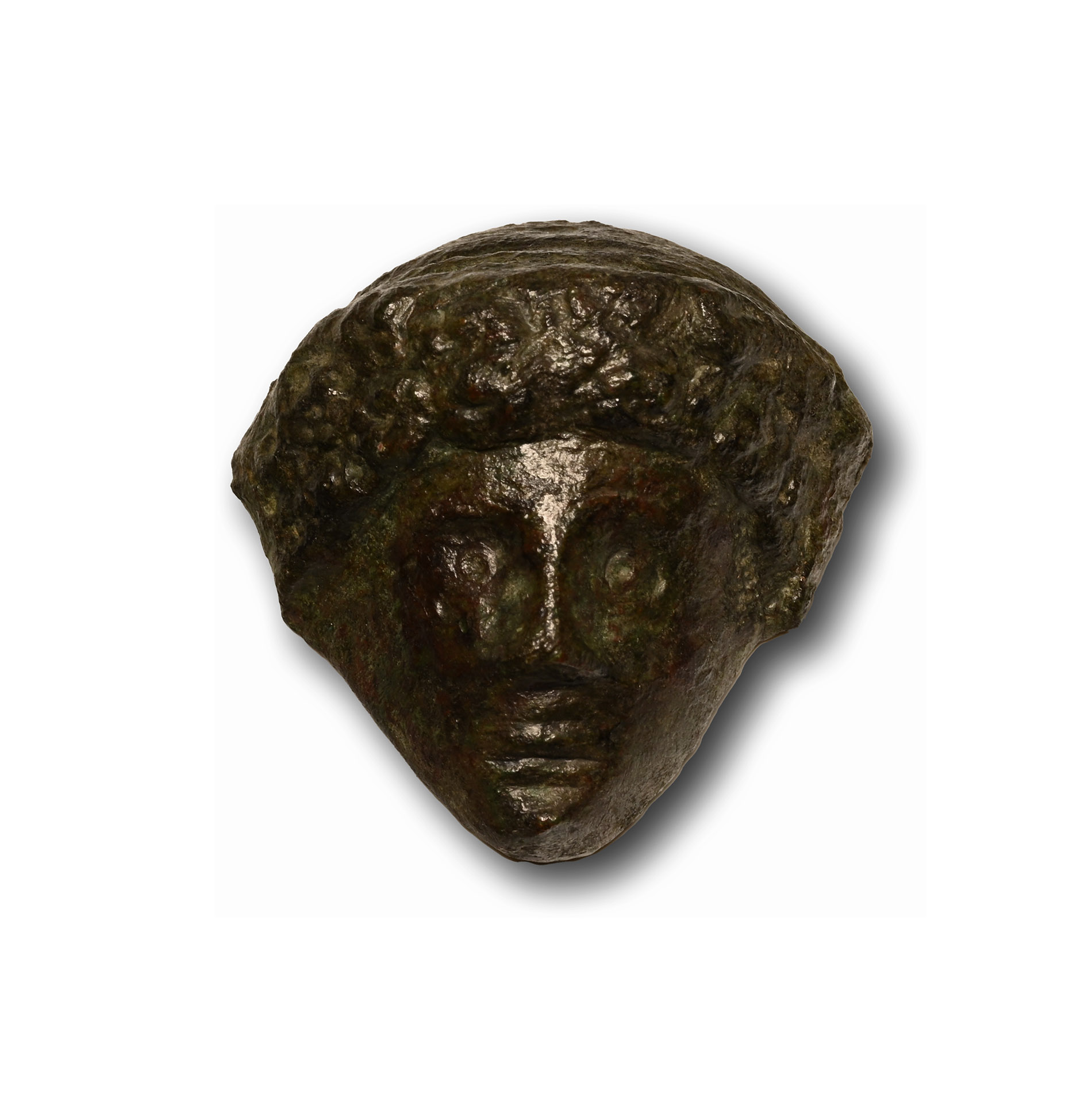
Roman Bronze Applique of the God Apollo
2ND-3RD CENTURY A.D.
1 1/8 in. (16.9 grams, 30 mm).
D-shaped in section with hollow reverse, wreath to the brow; the eyes modelled shallow to accept silver appliqués. [No Reserve]
ProvenanceEx property of a late Japanese collector, 1970s-2000s.
CONDITIONTimeLine Auctions follows a vetting process to ensure the authenticity and legality of all items, reinforcing our commitment to integrity and responsible trading. Each antiquity, antique, and coin lot undergoes thorough examination by a vetting committee of at least ten external specialists, professional trade association members, scientists, and archaeologists: Our Vetting Process
AUCTIONS:
TimeLine is a leading auction house specialising in antiquities, ancient art, collectables, natural history, coins, medals, and books. Our auctions offer museums, collectors, historians, and enthusiasts the opportunity to acquire unique and historically significant pieces.
-
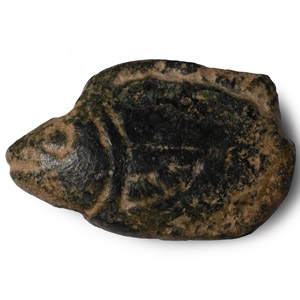
Roman Bronze Fish Weight
1st-4th century A.D.Sold for (Inc. bp): £59
Modelled in the round with fin and gill detailing, slot to the underside. 9.9 grams, 23 mm
From the collection of a gentleman, acquired on the London art market in the 1990s. -
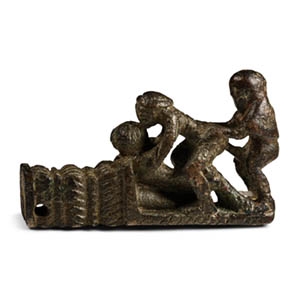
Roman Bronze Knife Handle with Erotic Scene
1st-2nd century A.D.Sold for (Inc. bp): £1,300
Modelled in the round scene composed of three lovers, rectangular base, square-section pierced baluster with hatched panels. 59 grams, 57 mm
Shlomo Moussaieff collection, London, UK. Ex Galerie Dominique Thirion, Brussels, Belgium. From the private collection of Mr K.A. -
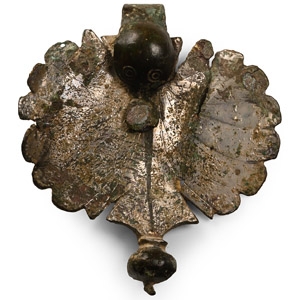
Roman Silvered Bronze Military Horse Harness Pendant
2nd-3rd century A.D.Sold for (Inc. bp): £117
A discoid pendant with scalloped edges and onion-knop finial, recurving loop with beast-head finial. 8.57 grams, 50 mm
Ex German art market, 2000s. Acquired from an EU collector living in London. From the collection of Surrey, UK, gentleman.
