
Loading, please wait...
LOT 0808
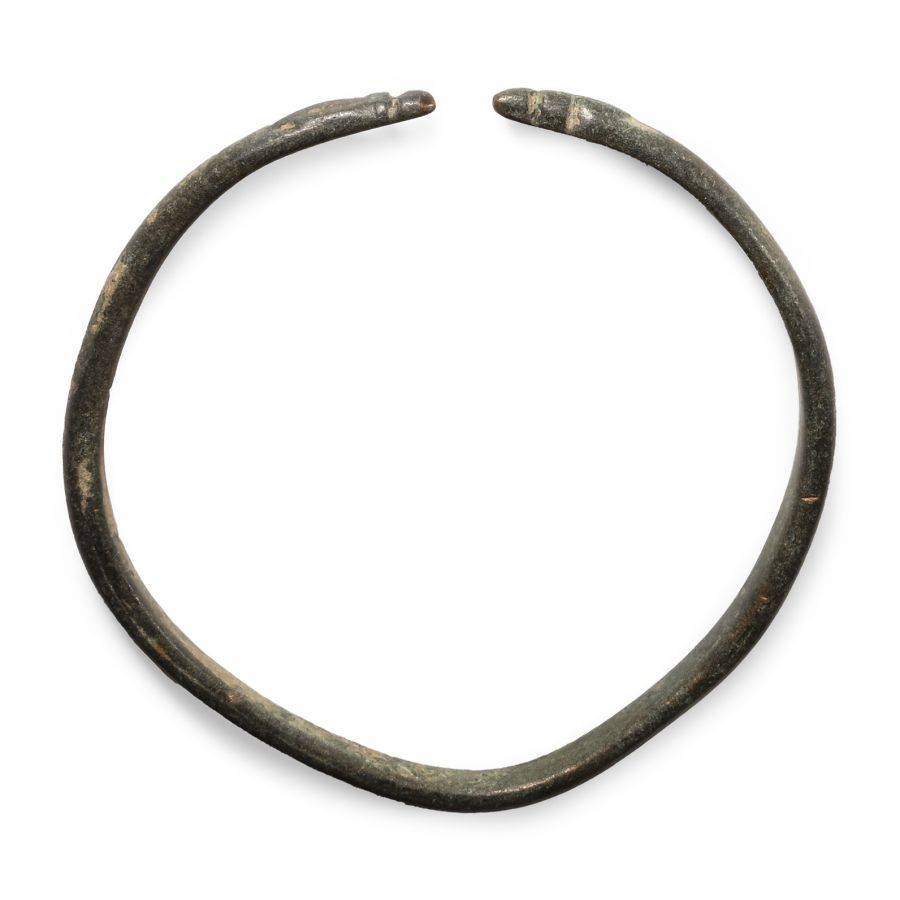
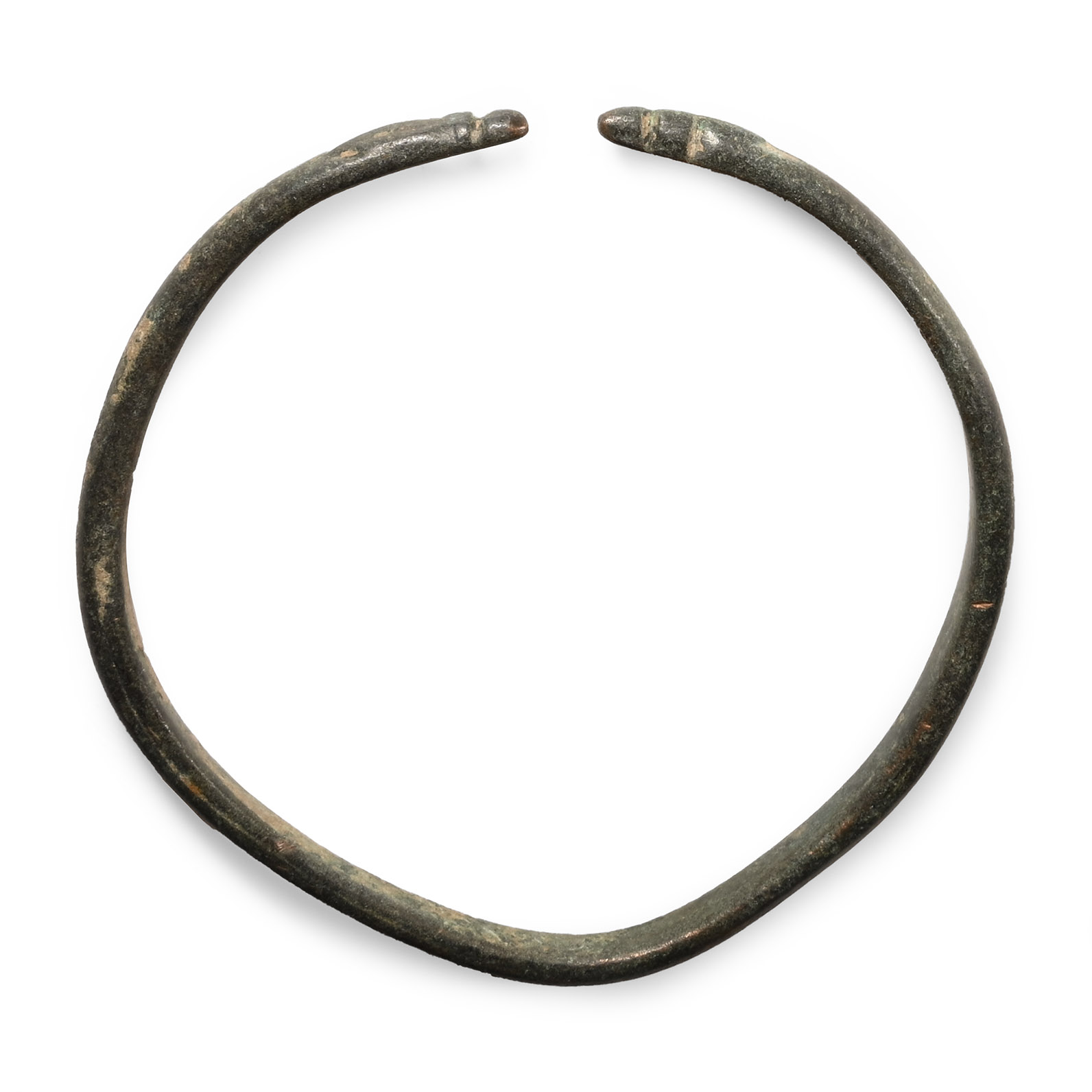
Roman Bronze Animal-Headed Bracelet
1ST-4TH CENTURY A.D.
2 1/2 in. (21.48 grams, 66 mm).
With flat-section shank, tapering to beast-head finials. [No Reserve]
ProvenanceUK private collection before 2000.
Acquired on the UK art market.
Property of a London gentleman.
TimeLine Auctions follows a vetting process to ensure the authenticity and legality of all items, reinforcing our commitment to integrity and responsible trading. Each antiquity, antique, and coin lot undergoes thorough examination by a vetting committee of at least ten external specialists, professional trade association members, scientists, and archaeologists: Our Vetting Process
AUCTIONS:
TimeLine is a leading auction house specialising in antiquities, ancient art, collectables, natural history, coins, medals, and books. Our auctions offer museums, collectors, historians, and enthusiasts the opportunity to acquire unique and historically significant pieces.
-
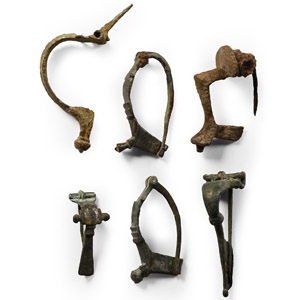
Roman Bronze Bow Brooch Collection
1st-3rd century A.D.Sold for (Inc. bp): £39
Comprising six bow brooches of different types, one with tinned decoration; four with pins in situ, two with remains of pin. 70 grams total, 36-67 mm
Ex German art market, 2000s. Acquired from an EU collector living in London. From the collection of Surrey, UK, gentleman. -
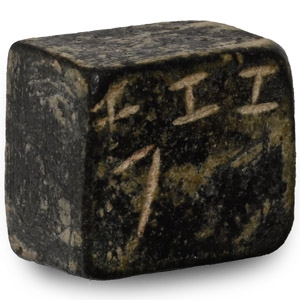
Eastern Levant AE Shekel Weight
Bronze to Iron II Age, circa 12th-6th centuries B.C.Sold for (Inc. bp): £650
In the form of a cube engraved on one side in Paleo-Hebrew or Phoenician: ʾZZ G in two lines. 8.1 grams, 12 mm
From the collection of a gentleman, acquired on the London art market in the 1990s. -
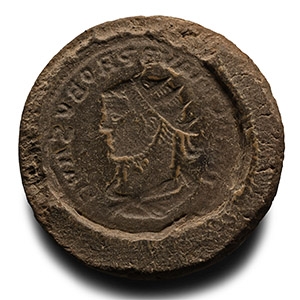
Roman Bifacial Terracotta Forger's Coin Mould
1st-4th century A.D.Sold for (Inc. bp): £546
Discoid in plan, both sides with a radiate profile bust of an emperor, legend surrounding. 4.88 grams, 26 mm
From the collection of a gentleman, acquired on the London art market in the 1990s.
