
Loading, please wait...
LOT 0741
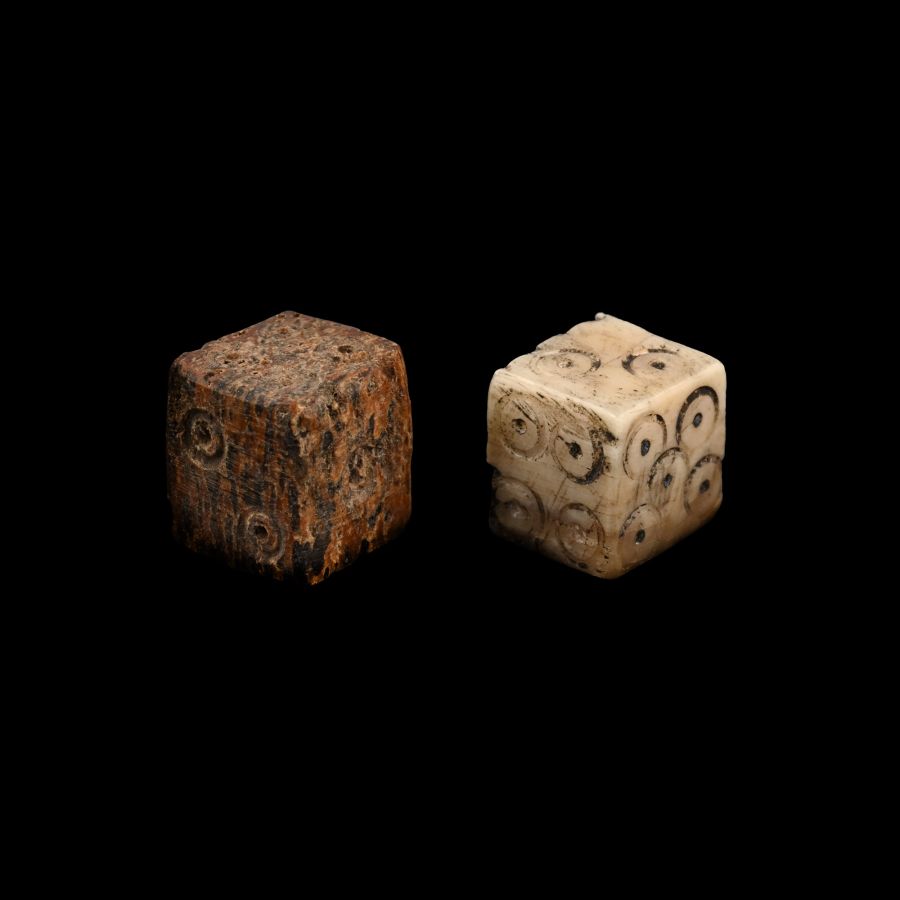
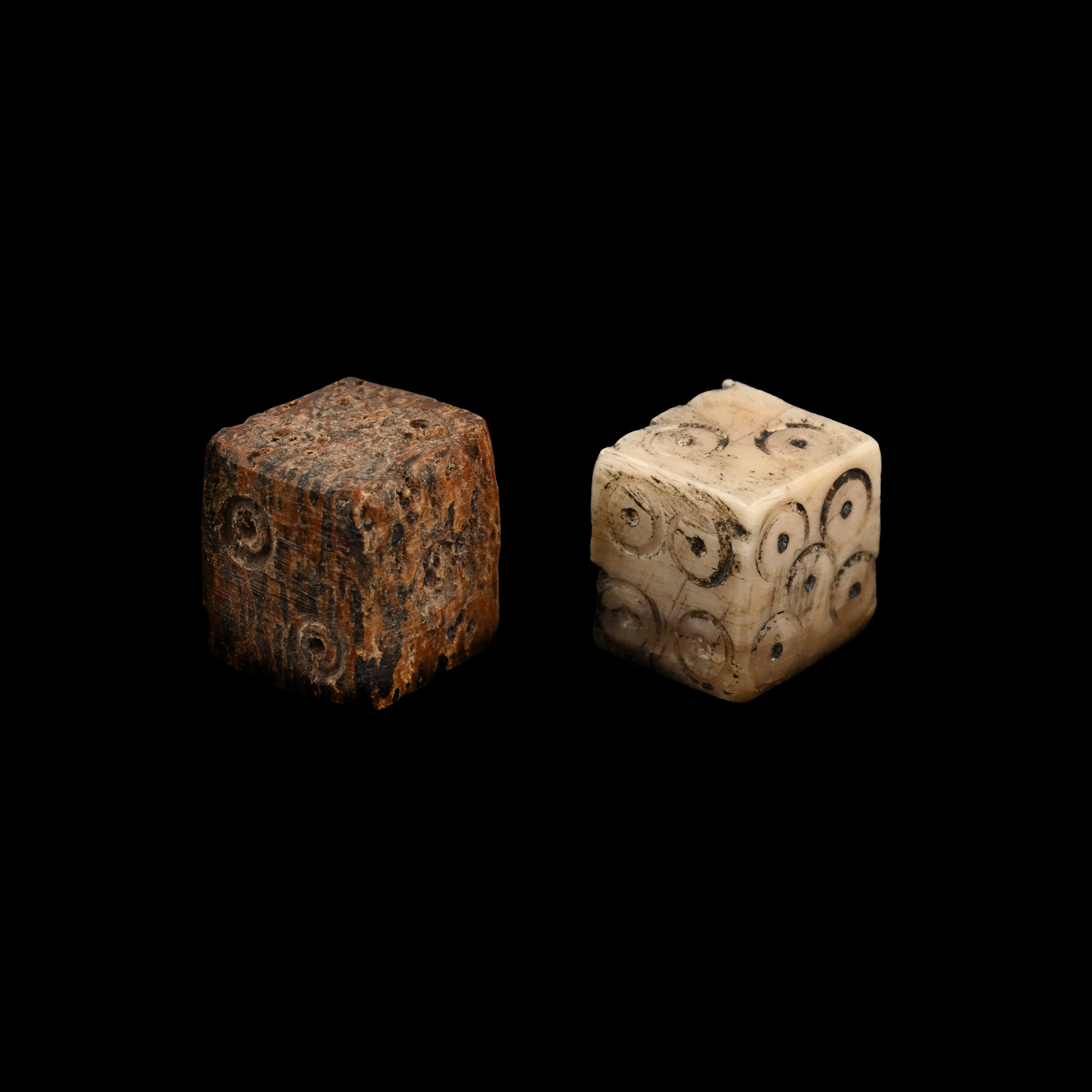
Roman Bone Gaming Dice Pair
1ST-4TH CENTURY A.D.
3/8 in. (2.36 grams, 8-9 mm).
Cuboid with ring-and-dot markings disposed 1:6, 2:5, 3:4. [2, No Reserve]
ProvenanceEx German art market, 2000s.
Acquired from an EU collector living in London.
From the collection of a Surrey, UK, gentleman.
This lot is accompanied by an illustrated lot declaration signed by the Head of the Antiquities Department, Dr Raffaele D'Amato.
TimeLine Auctions follows a vetting process to ensure the authenticity and legality of all items, reinforcing our commitment to integrity and responsible trading. Each antiquity, antique, and coin lot undergoes thorough examination by a vetting committee of at least ten external specialists, professional trade association members, scientists, and archaeologists: Our Vetting Process
AUCTIONS:
TimeLine is a leading auction house specialising in antiquities, ancient art, collectables, natural history, coins, medals, and books. Our auctions offer museums, collectors, historians, and enthusiasts the opportunity to acquire unique and historically significant pieces.
-
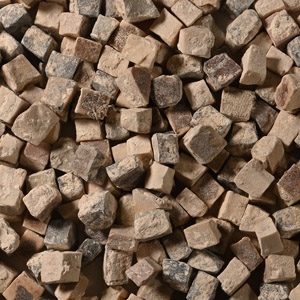
Roman Mosaic Stone Tesserae Group
1st-4th century A.D.Sold for (Inc. bp): £195
A mixed group of two hundred and fifty single tesserae of various colours and sizes, mostly cuboid. 340 grams total, 7-14 mm
From a collection acquired on the UK art market from various auction houses and collections mostly before 2000. From an important Cambridgeshire estate; thence by descent. This lot is accompanied by an illustrated lot declaration signed by the Head of the Antiquities Department, Dr Raffaele D'Amato.
Roman mosaics were made from small cubes of natural stone and terracotta possibly cut from tile or brick. Each of these small cubes was called a tessera (plural tesserae) from the Latin word for dice. -
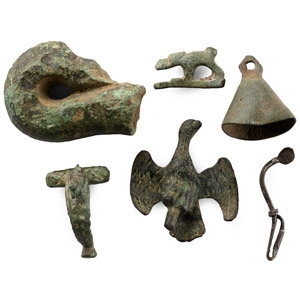
Roman Bronze Artefact Collection
1st-4th century A.D.Sold for (Inc. bp): £59
Comprising: an eagle statuette; a bell; a dog-shaped knife pommel; two brooch fragments; a furniture mount in the shape of a swan head. 161 grams total, 25-48 mm
Acquired on the UK art market. Property of an East Anglia, UK, gentleman. This lot is accompanied by an illustrated lot declaration signed by the Head of the Antiquities Department, Dr Raffaele D'Amato. -
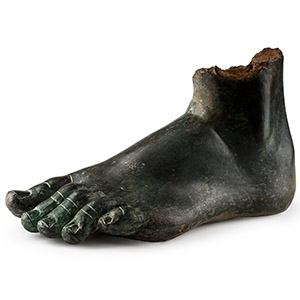
Life-Size Roman Statue Foot of a Young Athlete
1st century B.C.-2nd century A.D.Sold for (Inc. bp): £13,000
Comprising the left foot and ankle with finely modelled anatomical detailing, filled with lead and originally attached to a base from the sole of the foot. 5.73 kg, 22 cm
From a London, UK, collection that was formed the 1980s. Acquired from Alan Darer, Mayfair, London, UK, 2016. From the private collection of a Beckenham, UK, lady. Accompanied by an academic report by Dr Raffaele D’Amato. This lot has been checked against the Interpol Database of stolen works of art and is accompanied by search certificate number no.12783-240373. This lot has been cleared against the Art Loss Register database, and is accompanied by an illustrated lot declaration signed by the Head of the Antiquities Department, Dr Raffaele D'Amato.
The small proportions of the foot could suggest that it originally belonged to a statue of a boy, young god or athlete. One of the possible candidates can be Apollo or Narcissus: many of their statues show a similar position of the left foot (Reinach, 1930, pp.100-104).
