
Loading, please wait...

LOT 0711
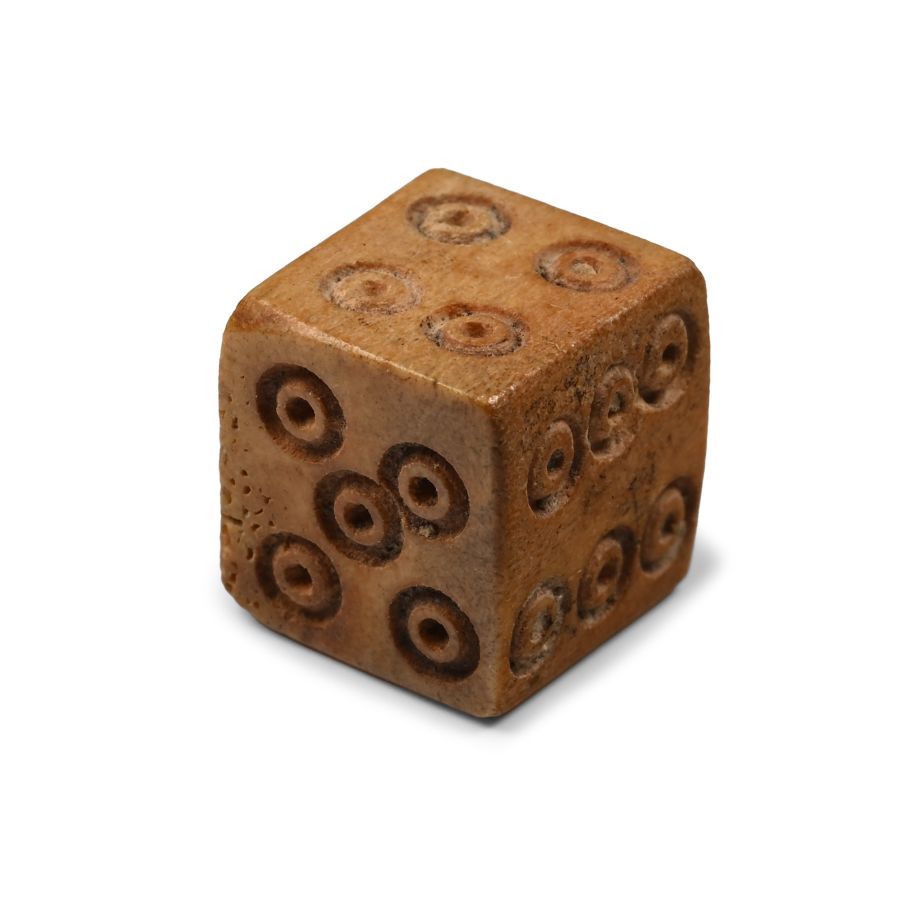
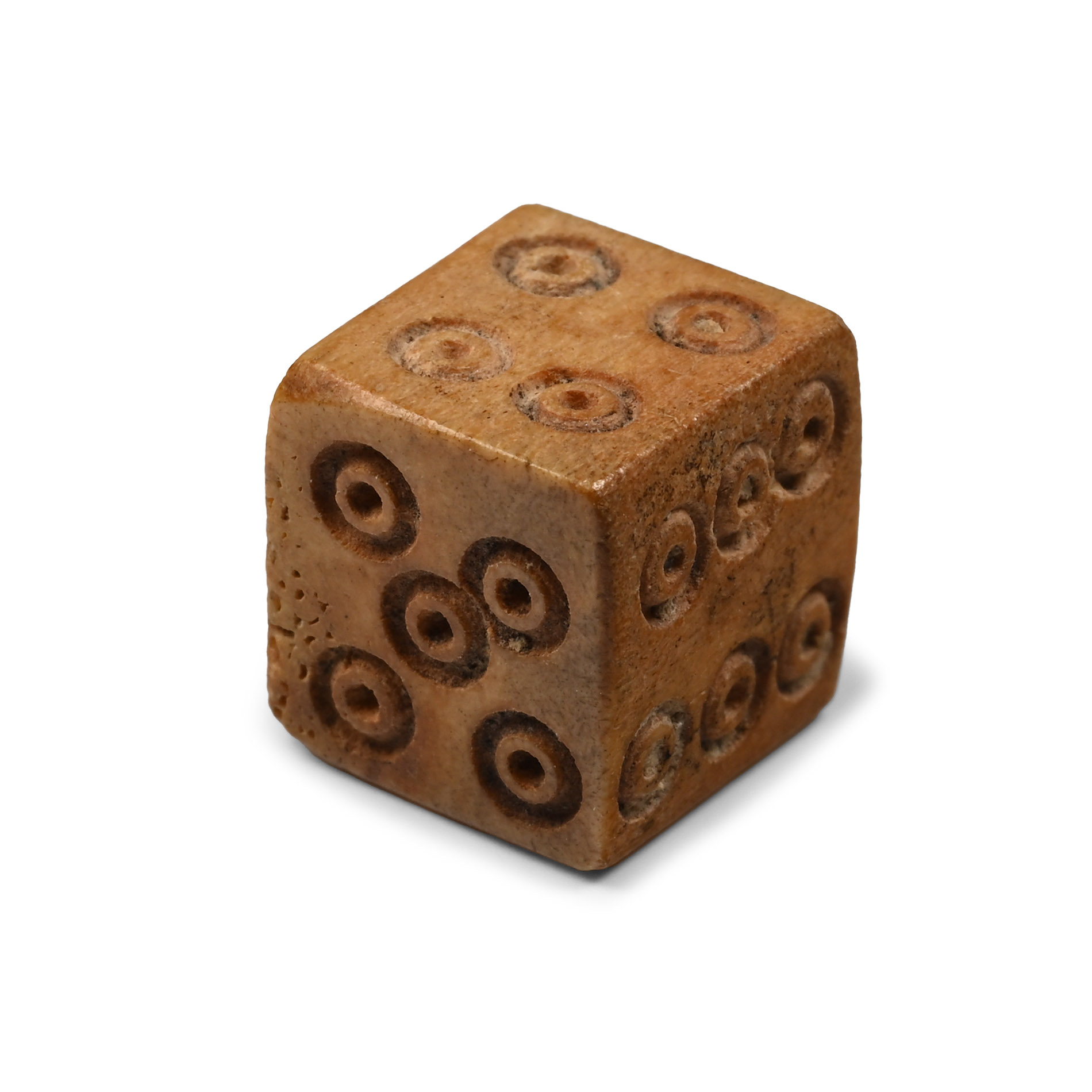
Roman Bone Dice
1ST-2ND CENTURY A.D.
3/8 in. (1.87 grams, 10 mm).
With incised ring-and-dot markings disposed 1:6, 2:5, 3:4. [No Reserve]
ProvenanceFrom the private collection of Colin Narbeth, UK, 1990s, with collection reference no.157.
This lot is accompanied by an illustrated lot declaration signed by the Head of the Antiquities Department, Dr Raffaele D’Amato.
Cf. Allason-Jones, L. & Miket, R., The Catalogue of Small Finds from South Shields Roman Fort, Newcastle, 1984, item 2.82.
CONDITIONTimeLine Auctions follows a vetting process to ensure the authenticity and legality of all items, reinforcing our commitment to integrity and responsible trading. Each antiquity, antique, and coin lot undergoes thorough examination by a vetting committee of at least ten external specialists, professional trade association members, scientists, and archaeologists: Our Vetting Process
AUCTIONS:
TimeLine is a leading auction house specialising in antiquities, ancient art, collectables, natural history, coins, medals, and books. Our auctions offer museums, collectors, historians, and enthusiasts the opportunity to acquire unique and historically significant pieces.
-
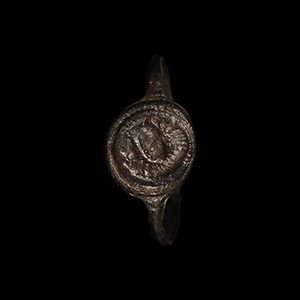
Roman Bronze Ring with Wolf
1st century A.D.Sold for (Inc. bp): £98
With slender hoop, discoid bezel with incuse image of the she-wolf suckling Romulus and Remus. 3.40 grams, 25.24 mm overall, 22.26 mm internal diameter (approximate size British X 1/2, USA 11 3/4, Europe 26.92, Japan 25)
Acquired on the London art market in the late 1980s-1990s. From the family collection of an East London, UK, gentleman. This lot is accompanied by an illustrated lot declaration signed by the Head of the Antiquities Department, Dr Raffaele D’Amato. -
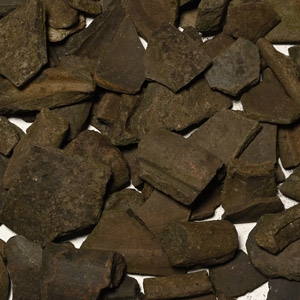
Romano-British Greyware and Other Pottery Sherd Group from Crocololana
3rd-4th century A.D.Sold for (Inc. bp): £13
Including fragments of bowl rim, sidewall and other elements. 3.81 kg total, 30-92 mm
Found whilst fieldwalking near Roman settlement of 'Crocololana', Borough, Lincolnshire, UK, 2003-2005. Ian Wilkinson collection, Nottinghamshire, UK, formed since 1985. This lot is accompanied by an illustrated lot declaration signed by the Head of the Antiquities Department, Dr Raffaele D’Amato. -
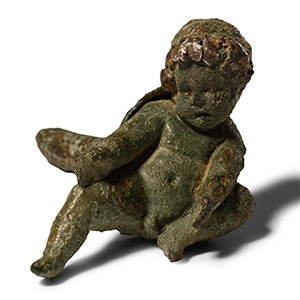
Roman Bronze Figure of Young Dionysus with Silver Inlays
1st century A.D.Estimate: £1,500 - 2,000 (‡+bp*)
Opening Bid: £833
Modelled in the round, a male infant with arms and right leg extended, left leg bent and raised; head looking downwards, with applied silver scales imitating a wreath; sturdy mounting peg to the reverse. 70.1 grams, 61 mm
Acquired on the German art market, 2002. European private collection. This lot has been checked against the Interpol Database of stolen works of art and is accompanied by search certificate no.12053-211904. This lot has been cleared against the Art Loss Register database, and is accompanied by an illustrated lot declaration signed by the Head of the Antiquities Department, Dr Raffaele D’Amato.
The model appears to form part of a figural group.
