
Loading, please wait...
LOT 0638
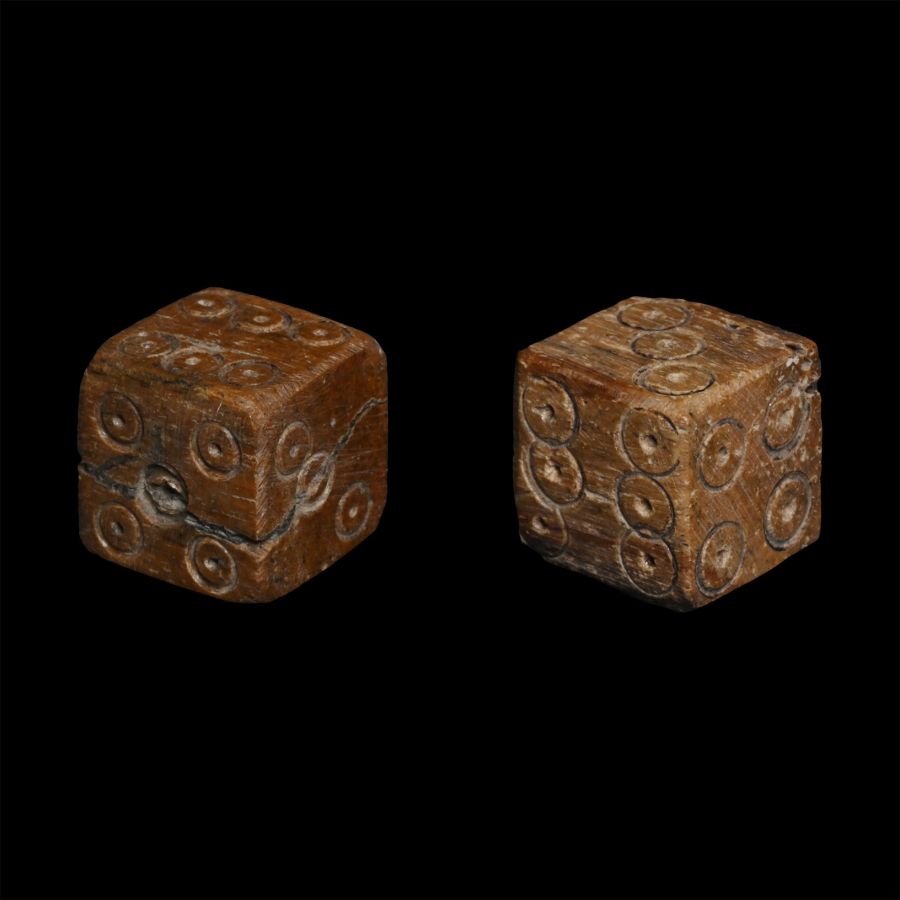
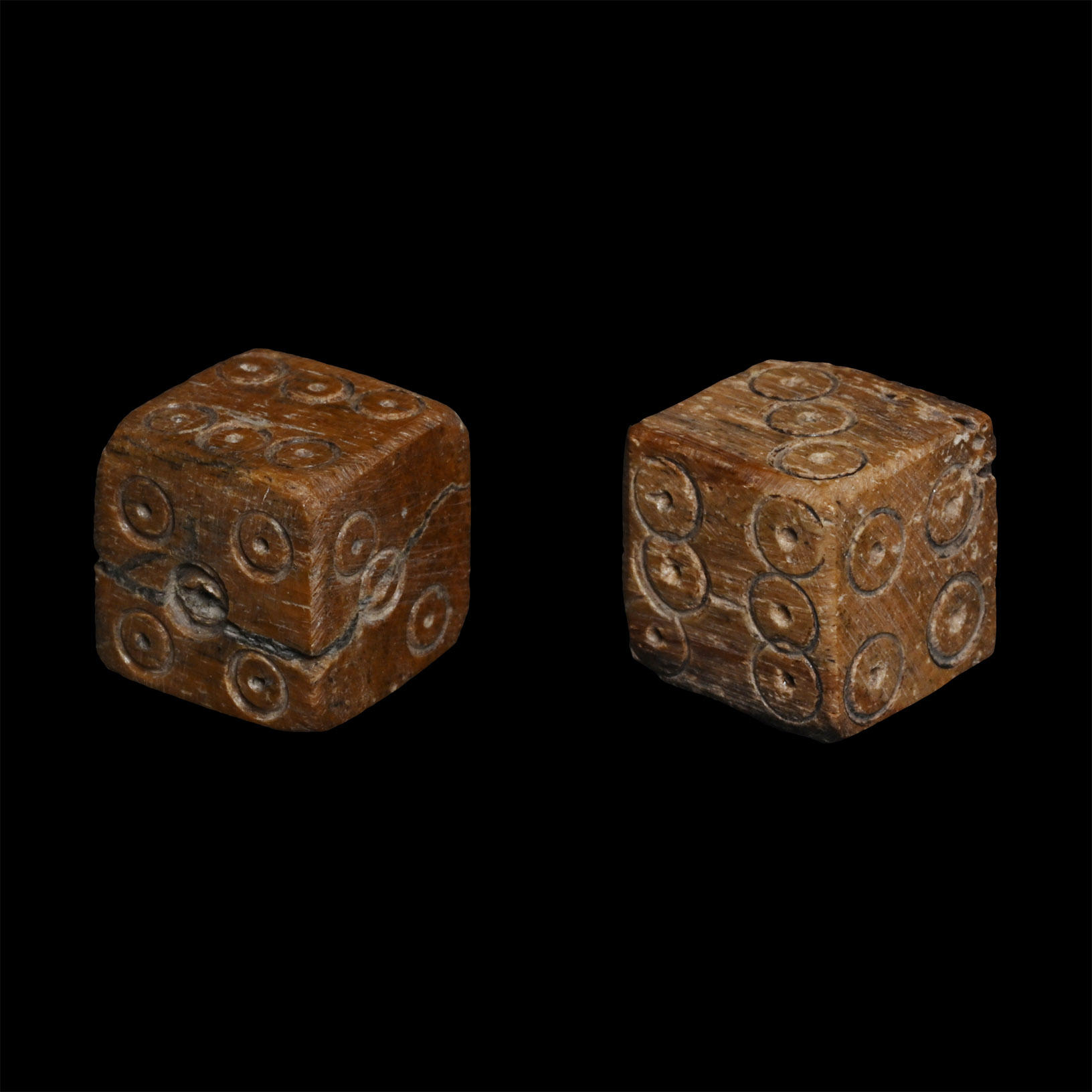
Roman Bone Dice Pair
1ST-4TH CENTURY A.D.
1/2 in. (5.2 grams total, 11 mm).
Each cuboid with ring-and-dot markings disposed 1:6, 2:3, 4:5 and 1:6, 2:5, 3:4. [2, No Reserve]
ProvenanceAcquired 1980-2015.
Ex Abelita family collection.
TimeLine Auctions follows a vetting process to ensure the authenticity and legality of all items, reinforcing our commitment to integrity and responsible trading. Each antiquity, antique, and coin lot undergoes thorough examination by a vetting committee of at least ten external specialists, professional trade association members, scientists, and archaeologists: Our Vetting Process
AUCTIONS:
TimeLine is a leading auction house specialising in antiquities, ancient art, collectables, natural history, coins, medals, and books. Our auctions offer museums, collectors, historians, and enthusiasts the opportunity to acquire unique and historically significant pieces.
-
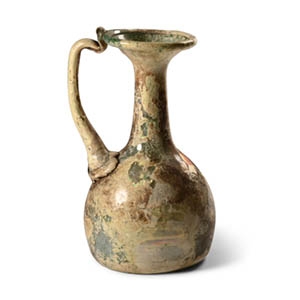
Roman Glass Juglet with Iridescent Surface
1st-3rd century A.D.Estimate: £500 - 700 (+bp*)
Opening Bid: £250
Barrel-shaped body with dimple base; applied trail to the flared mouth; tapering applied trail handle with spur to the rim. 66.7 grams, 12.5 cm
Acquired on the German art market, 1989-1995. with The Museum Gallery, 19 Bury Place, London, WC1, UK, 1998-2003. Property of a London based academic, 2003-present. -
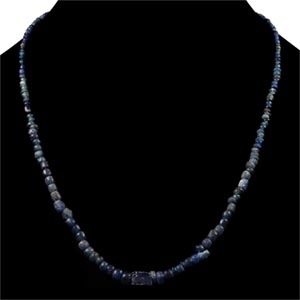
Roman Glass Bead Necklace String
1st-4th century A.D. and laterSold for (Inc. bp): £85
Composed of mainly dark blue oblate beads with a central rectangular-section bead, restrung. 14.5 grams, 46 cm
Ex property of a late Japanese collector, 1970-2000s. -
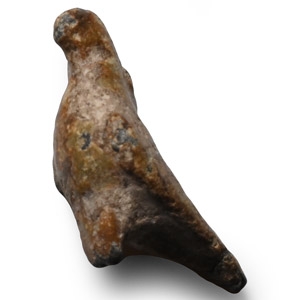
Roman Bronze Dove Amulet
4th century A.D.Sold for (Inc. bp): £20
Model dove perching with wings folded. 3.5 grams, 19 mm wide
From the collection of a gentleman, acquired on the London art market in the 1990s.
