
Loading, please wait...
LOT 0679
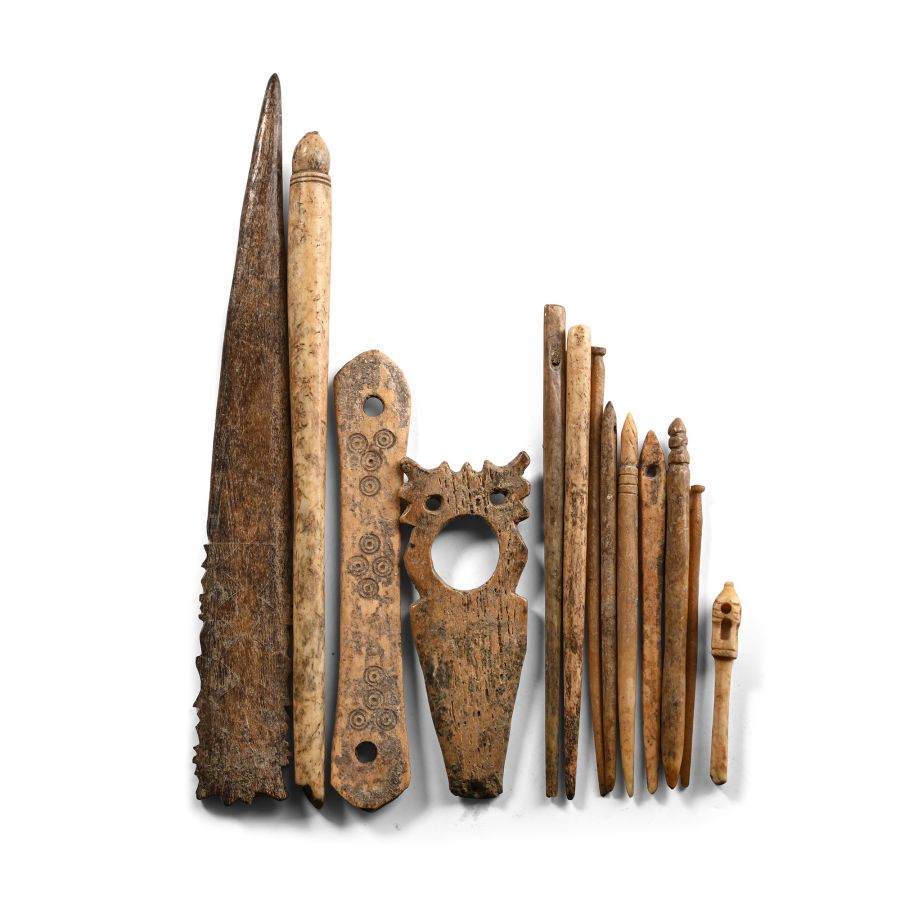
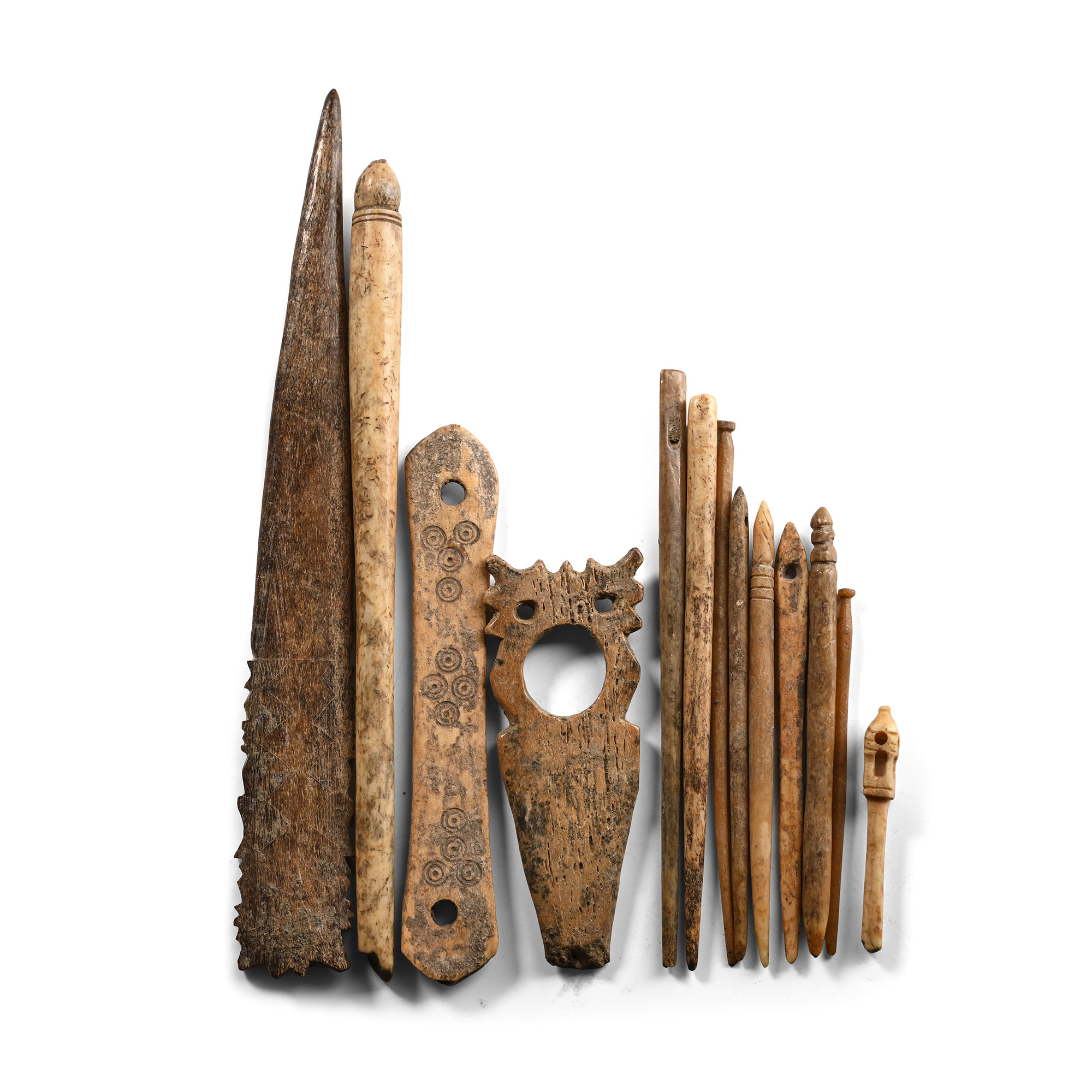
Roman Bone Artefact Collection
1ST-6TH CENTURY A.D.
1 3/4 - 6 3/8 in. (64.8 grmas total, 4.3-16.2 cm).
Mixed group of implements, including pins, awls, and other types. [13]
ProvenanceEx German art market, 2000s.
Acquired from an EU collector living in London.
From the collection of a Surrey, UK, gentleman.
TimeLine Auctions follows a vetting process to ensure the authenticity and legality of all items, reinforcing our commitment to integrity and responsible trading. Each antiquity, antique, and coin lot undergoes thorough examination by a vetting committee of at least ten external specialists, professional trade association members, scientists, and archaeologists: Our Vetting Process
AUCTIONS:
TimeLine is a leading auction house specialising in antiquities, ancient art, collectables, natural history, coins, medals, and books. Our auctions offer museums, collectors, historians, and enthusiasts the opportunity to acquire unique and historically significant pieces.
-
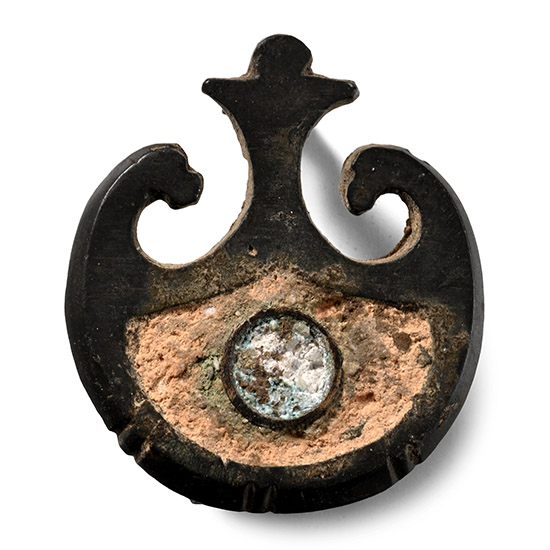
Roman Enamelled Bronze Plate Brooch
2nd-3rd century A.D.Sold for (Inc. bp): £91
Pelta-shaped with trefoil finial to the vertical lobe, recessed D-shaped cell with enamel fill, central roundel with enamel fill; integral box fitting to reverse housing the chord and pin, catch to lower end. 24 grams, 40 mm
Ex German art market, 2000s. Acquired from an EU collector living in London. From the collection of a Surrey, UK, gentleman. -
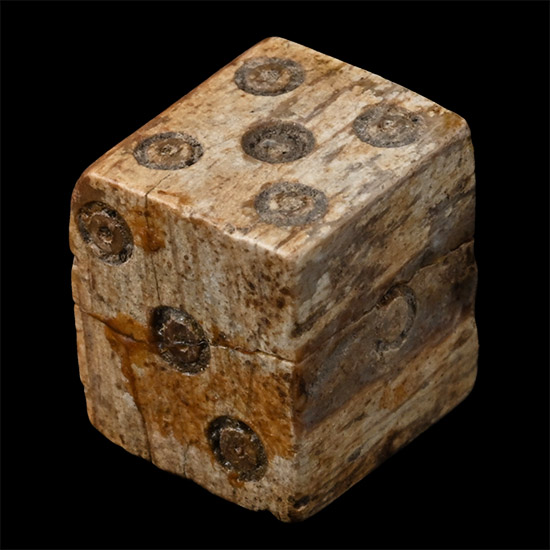
Roman Bone Gaming Die
Circa 1st-4th century A.D.Sold for (Inc. bp): £195
Cuboid dice with ring-and-dot markings disposed 1:6,2:5, 3:4. 1.02 grams, 8 mm
Ex gentleman collector of antique and antiquity games from Berkshire, UK, having collected for over 20 years. -
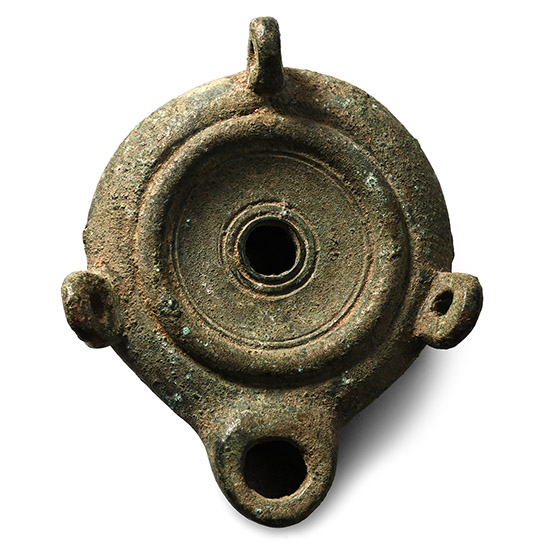
Roman Bronze Oil Lamp
3rd-5th century A.D.Sold for (Inc. bp): £325
With broad sloping shoulder and concave discus with raised circular ridge, central hole; three radiating suspension loops and stub nozzle with flat rim; base with incuse circular grooves. 106 grams, 67 mm
Ex collection Mr. K.H., Germany, Private collection, acquired in 2012.
